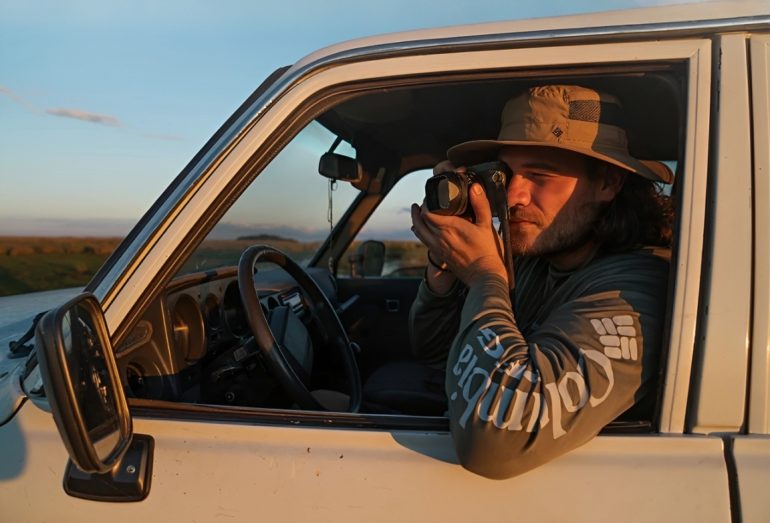

The Science Museum of Paraguay (MuCi) has announced that its senior member, Henry Maillet, has been selected as an explorer by the National Geographic Society. The recognition places Maillet among a global network of scientists, storytellers, and innovators working to understand and protect the natural world.
The appointment marks an important moment not only for Henry Maillet but also for Paraguay’s growing presence in international scientific and environmental storytelling. Through this role, the photographer and audiovisual specialist will receive financial support. He will also gain institutional backing to carry out expeditions, with a focus on documenting the country’s rich biodiversity.
A global platform for local biodiversity
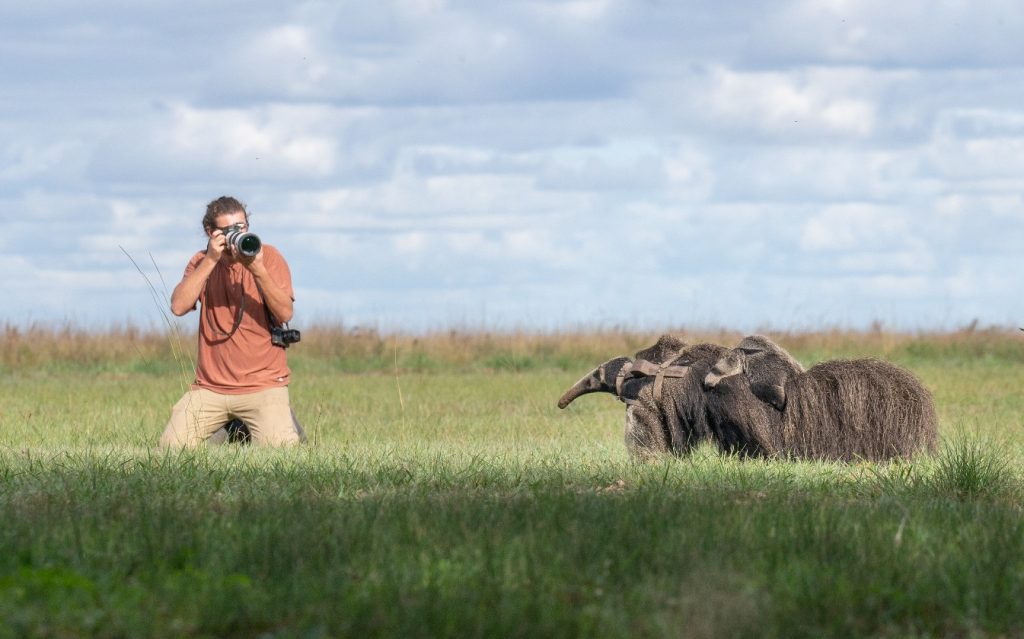
As part of the National Geographic Society Explorer community, Henry Maillet is set to undertake expeditions along the Paraguay River. His work will centre on recording the diversity of flora and fauna found across Paraguay’s ecosystems. It will also bring visibility to species and environments that often remain underrepresented on the global stage.
The initiative aims to amplify Paraguay’s natural heritage both nationally and internationally. By combining scientific observation with visual storytelling, Maillet’s work seeks not only to inform but also to inspire conservation efforts.
The National Geographic Society is one of the world’s largest non-profit organisations. It is widely recognised for its commitment to science, exploration, education, and environmental conservation. The Explorers Programme of the National Geographic Society backs individuals who are advancing research and storytelling. The programme provides them with the resources needed to produce impactful work and share it with audiences worldwide.
A career built on exploration
Maillet’s career reflects a strong intersection between science, technology, and narrative. An explorer, photographer, and audiovisual expert, he has spent years travelling across Paraguay to document its ecosystems. Although he is of American nationality, his work has become deeply connected to Paraguay’s landscapes and environmental challenges.
At MuCi, Henry Maillet plays a leading role in developing visual narratives and immersive audiovisual projects. His work often blends research with creative production, aiming to make scientific knowledge more accessible and engaging for wider audiences.
He is also recognised as a pioneer in fulldome filmmaking in Paraguay. This format, designed for dome-shaped screens, allows for 360-degree projections that create immersive viewing experiences. Henry Maillet is currently involved in producing audiovisual content for the future Blas Servín Planetarium, a project expected to expand science communication in the country.
What does it mean to be a Nat Geo Explorer?
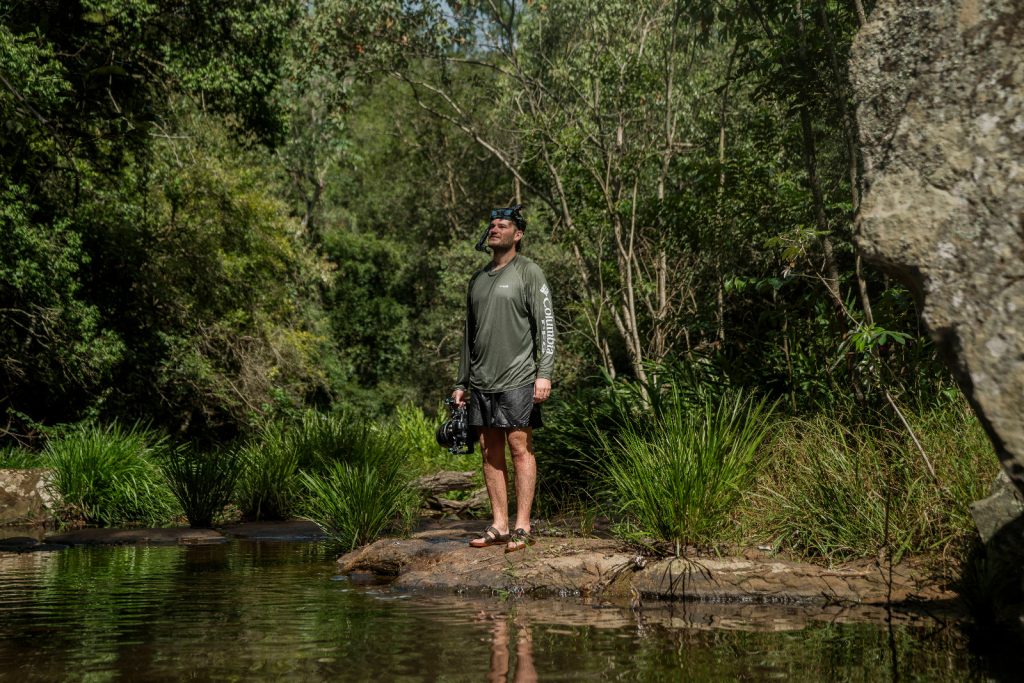
Being named a National Geographic Explorer involves more than financial support. The title also provides access to a global community of professionals dedicated to exploration and conservation. Explorers are encouraged to observe, document, and engage with the world around them, producing stories that can influence how people understand and relate to the planet.
For Henry Maillet, storytelling is at the core of this mission. He emphasises its transformative power, noting that narratives can shape perceptions and inspire action. According to him, the ability to connect science with emotion is key to fostering a deeper awareness of environmental issues.
He points out that, for over a century, the National Geographic Society has demonstrated how storytelling can spark curiosity and encourage meaningful change. This perspective aligns closely with MuCi’s own approach to science communication.
“At MuCi, we share that conviction,” Maillet explains. “We see storytelling not just as a tool for communication, but as a bridge between science and emotion, capable of awakening a sense of wonder and strengthening our connection with the natural world.”
Strengthening Paraguay’s voice in science
Maillet’s appointment also highlights the role of institutions such as MuCi in promoting scientific research and public engagement in Paraguay. By supporting projects that merge science and storytelling, the museum continues to position itself as a key player in the field. With the backing of the National Geographic Society, Maillet’s upcoming expeditions are expected to contribute valuable insights into Paraguay’s biodiversity, while also elevating its visibility on an international scale.