


Observed annually every 22 March, World Water Day 2026 highlights the importance of freshwater and advocates for the sustainable management of freshwater resources. Since 1993, this day raises awareness of 2.1 billion people without safe drinking water. More than a celebration, it is a reminder to take action to tackle the global water crisis.
In Paraguay, water is the driving force behind the country. It is a strategic and vital resource, essential for economic development, energy production, and daily life. With abundant water supplies from its rivers, water is key to agriculture, livestock farming, and hydroelectric power.
The fundamental presence of water in the country is reflected in its very name. “Paraguay” is a Guaraní word meaning “water that flows to the sea,” a fitting description given the country’s abundant water resources.
Water as a resource of abundance in Paraguay
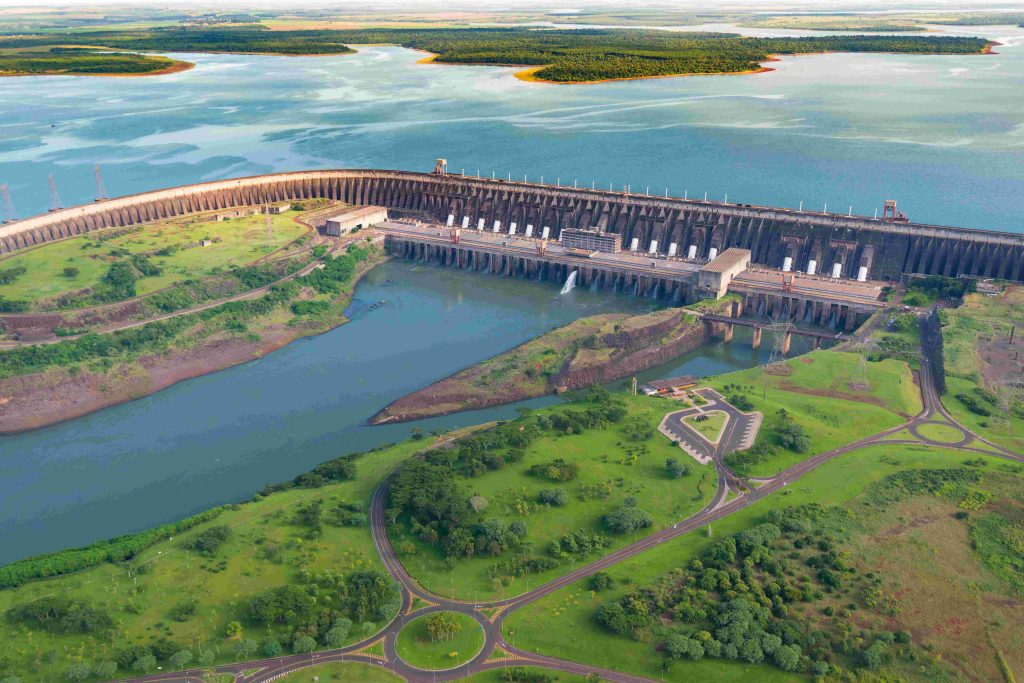
Water in Paraguay is a source of great strength and plays a fundamental role in the country’s development, supporting economic growth and the well-being of its population. The country is home to the Itaipu Dam, one of the largest hydroelectric plants in the world, as well as the Yacyretá Dam, another important source of clean energy.
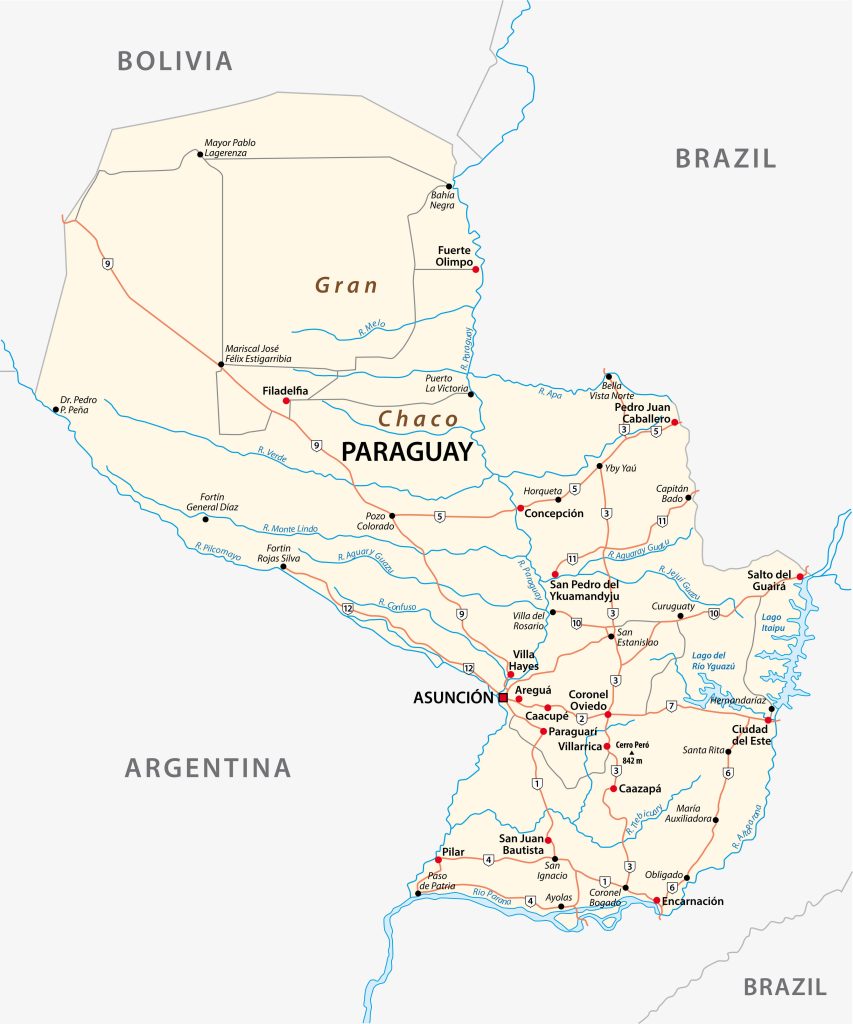
Paraguay is also in a strategic position within the Río de la Plata Basin, with abundant water resources both on the surface and underground. About 13.2% of this basin lies within Paraguayan territory. The country is crossed by two major rivers, the Paraguay River and the Paraná River, which are among the most important in the basin and are essential to the economy and daily life.
Paraguay also benefits from significant transboundary aquifers, including the Guaraní Aquifer, the Pantanal Aquifer, and the Yrenda Aquifer, further strengthening its position as a country rich in water resources.
Paraguay’s challenges in water preservation
Despite its abundance of water resources, Paraguay faces several challenges in preserving and ensuring equal access to water. The country struggles with pollution, flooding, inefficient use, and regional drought impacts. Water pollution of aquifers and rivers caused by mining, agriculture, and industrial activity, is an increasingly serious problem.
Similarly, access to safe drinking water and sanitation is not equal for everyone. For instance, the Eastern Region has more accessible water resources than the Western Region (Chaco), and access to drinking water is poor in rural and indigenous areas. Although services have improved, many communities still lack clean, reliable water.
Tackling challenges of water preservation and equality requires the involvement of all sectors of society. Strengthening regulations, promoting education, and protecting water resources are essential for sustainable development that benefits all.
The theme for World Water Day 2026
Every year, United Nations-Water sets the theme for World Water Day. In 2024, the focus was on Leveraging Water for Peace; in 2025, on Glacier Preservation. In 2026, the theme is Water and Gender. Under “Where water flows, equality grows,” this edition explores water, women, and gender equality.
The campaign highlights empowering women and girls to participate equally in water solutions. Growing water challenges make engineers, farmers, scientists, and community leaders essential to driving meaningful change. Only by everyone playing an active role in water decisions can services become more inclusive, sustainable, and effective.
For more information on World Water Day 2026 and to access related resources, visit the official UN-Water website.

