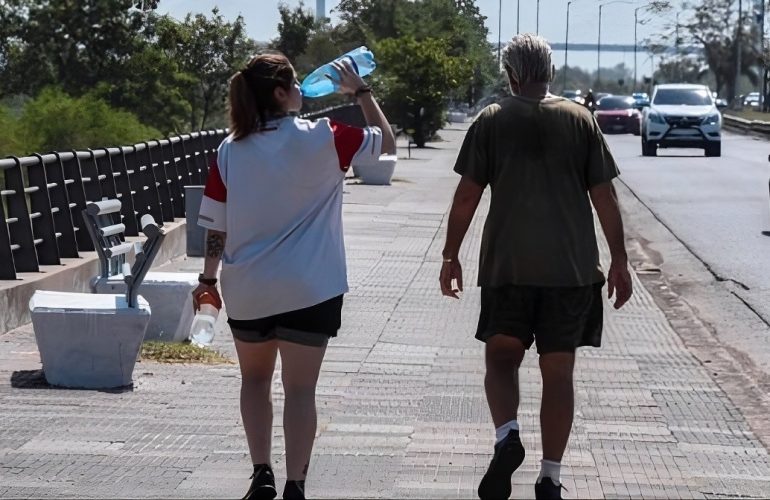

On a typical summer afternoon in Asunción, stepping outside can feel like walking into a wall of heat. In 2020, the capital of Paraguay set its all-time temperature record when the Directorate of Meteorology and Hydrology (DMH-DINAC) registered 42.8°C, the highest ever recorded in the city’s history. But the raw figure understates the experience. In March 2024, when temperatures reached 40°C, the apparent temperature, which accounts for humidity, climbed to 50°C. This February 2026, the city again recorded 41.4°C, with a heat index of 44.4°C. Urban design widens that gap even further.
The urban heat island: Why heat in Asunción hits harder in the city
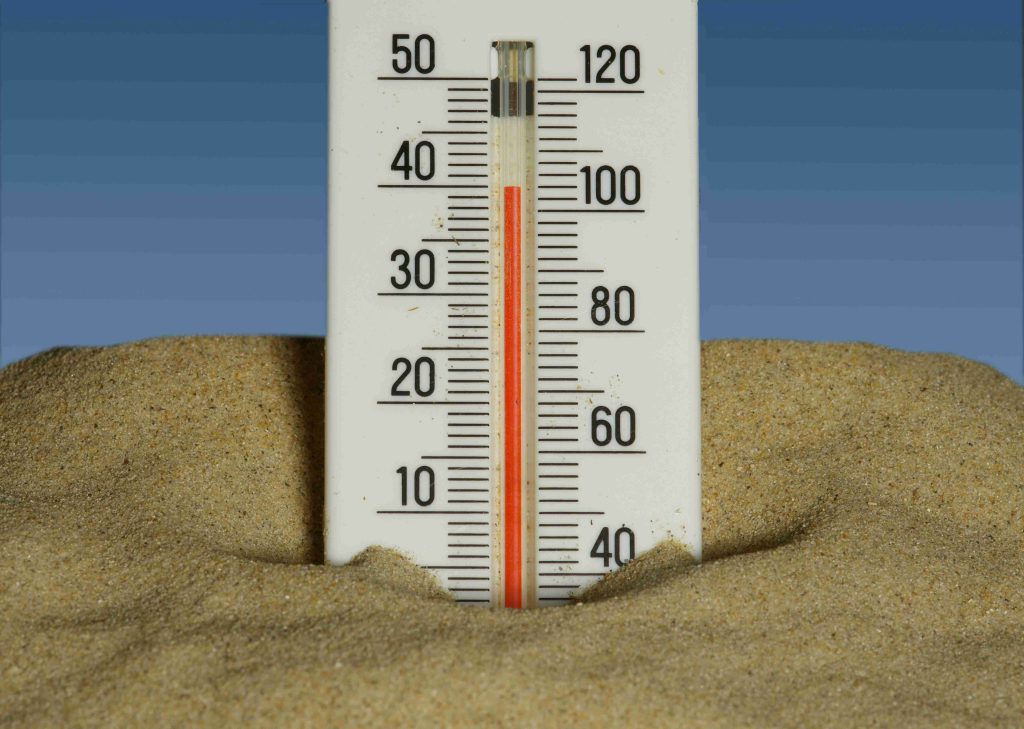
Cities are hotter than the surrounding countryside, and the reason comes down to materials. Concrete and asphalt absorb sunlight during the day and radiate it back as heat at night, preventing temperatures from dropping after sunset. Vegetation uses solar energy for photosynthesis and releases water vapor through evapotranspiration, cooling surfaces. When green cover is replaced by paved surfaces, that natural cooling disappears.
This is the urban heat island effect. NASA researchers using Landsat satellite data have found that it raises city temperatures by 1 to 3°C compared to surrounding rural areas, and in cities built in naturally forested regions, the difference can reach 5°C. Dense areas with little vegetation, dark roofs, and narrow streets trap heat, even within the same city.
Humidity: Paraguay’s heat multiplier
High humidity prevents sweat from evaporating efficiently, which impairs the body’s ability to cool itself, and explains why the apparent temperature in Asunción so frequently exceeds the recorded one by ten degrees or more. DMH-DINAC director Eduardo Mingo has stated that extreme heat events are becoming more frequent as a result of the climate crisis. In cities with outdoor work and markets, heat exhaustion and heatstroke increasingly threaten elderly, children, and workers.
Trees as cooling infrastructure
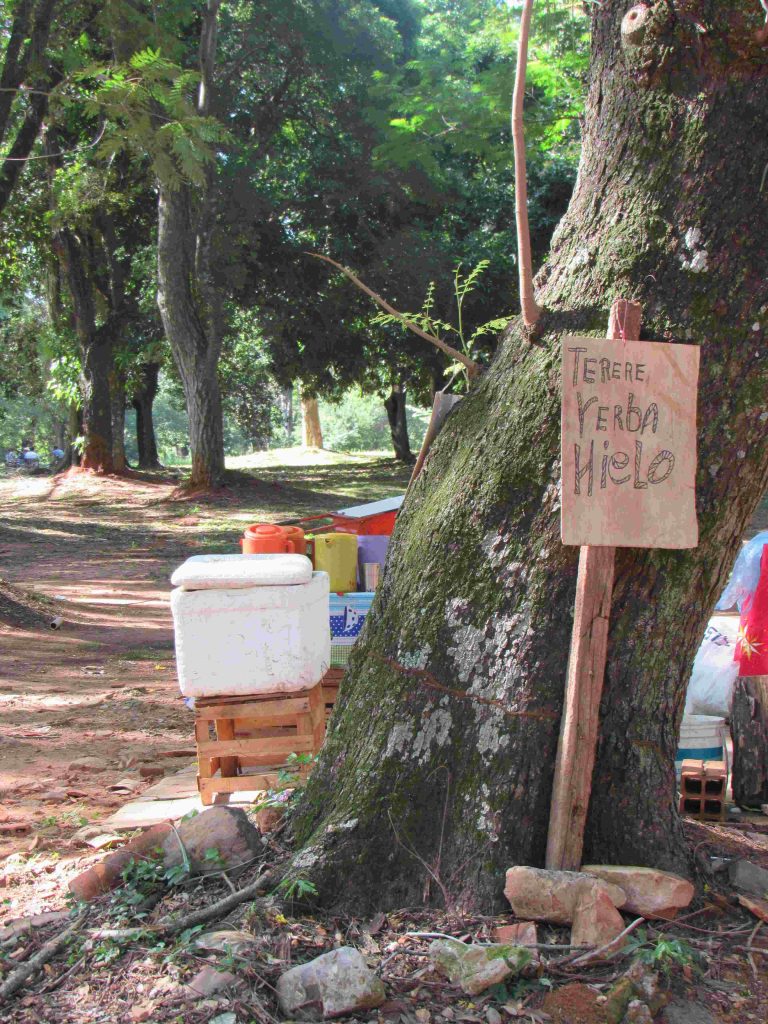
Planting trees is one of the most effective responses to urban heat, and the numbers are striking. According to the UN Environment Programme’s Beating the Heat handbook, investing US$100 million per year globally in street trees would deliver a 1°C temperature reduction on hot days for 77 million people. In Medellín, Colombia, green corridors installed along 36 routes between 2016 and 2019 reduced local temperatures by up to 4°C.
Paraguay’s forests give additional reason for optimism. Data from Instituto Forestal Nacional shows the lowest forest loss in 20 years; 44.4% remains forested. Sustaining that trend, and extending green cover into the city itself, is a direct investment in Asunción’s thermal resilience.
Architecture that cools without a plug
Traditional Paraguayan architecture was built for heat. The galería, a shaded veranda along the exterior of a house, blocks direct sunlight from walls and windows. High ceilings allow hot air to rise away from living spaces. These are passive cooling methods: using airflow, shading, and thermal mass to regulate indoor temperatures without machines. The UN Environment Programme identifies cross-ventilation, placing openings on opposite sides of a room so air flows through freely, as one of the most impactful techniques available, and the International Energy Agency (IEA) estimates that well-designed buildings could reduce their heating and cooling energy use by 25%.
Air conditioning: necessary, but smarter use matters

Air conditioning and electric fans already account for roughly a fifth of all electricity used in buildings worldwide. Without stronger efficiency measures, the International Energy Agency says cooling demand will more than triple by 2050. A practical correction is available: research cited by the IEA found that an air conditioner set to 26°C in a well-insulated space consumes around 30% less energy than one set to 24°C, and that occupants reported equal or greater comfort when a ceiling fan was running alongside it. Regular maintenance, closed blinds during peak hours, and shaded outdoor units compound the savings further.
Though extreme heat defines Paraguayan summers, urban greenery, adapted architecture, and efficient cooling can keep cities livable. Heat in Asunción is not simply a matter of geography, it is also a matter of choices made in how the city is built, planted, and powered.
For practical tips on how to beat the heat day to day, discover our guide Surviving The Paraguayan Summer: A Practical Guide For Newcomers.