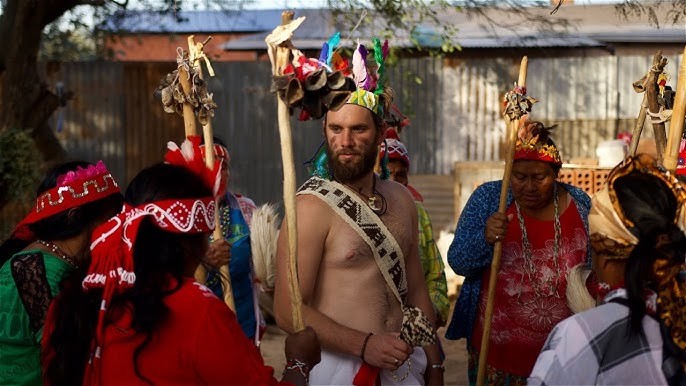

Nathan Seastrand or Yankiguayo, bought a one-way ticket to Paraguay in 2016. He was 22 years old, returning to a country where he had spent two years as a Mormon missionary. Most people who complete religious missions go home. Seastrand did not. He was convinced Paraguay was where he belonged. Today, the American from Salt Lake City runs Deep Jungle Studios, with his brother Zach, a documentary team specialising in expeditions across South America’s most remote and dangerous wilderness.
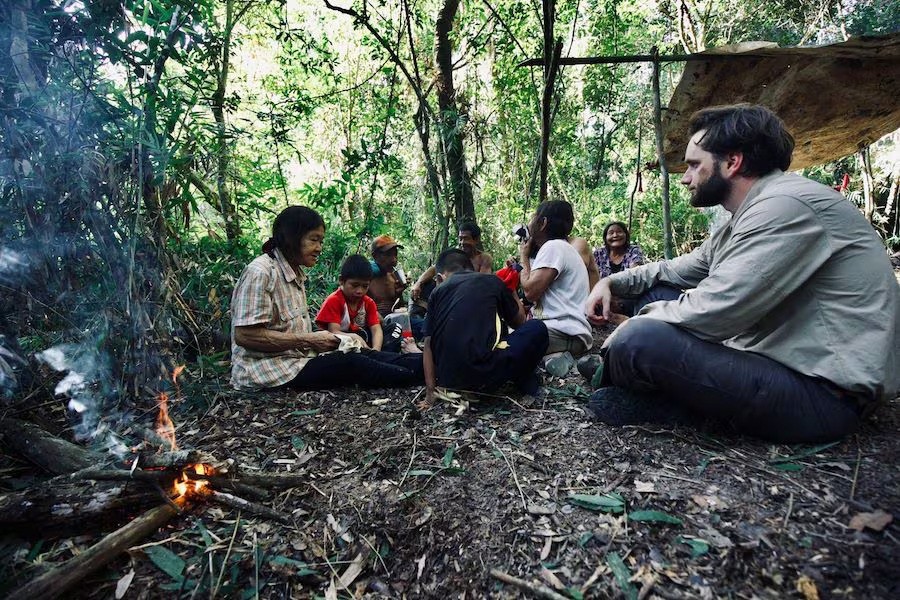
Over 263,000 people follow his work on Instagram as he documents Paraguay’s Chaco region, the vast wilderness occupying the western third of the country. What separates him from other documentarians is the trust he has earned in remote indigenous communities.
Why he stayed
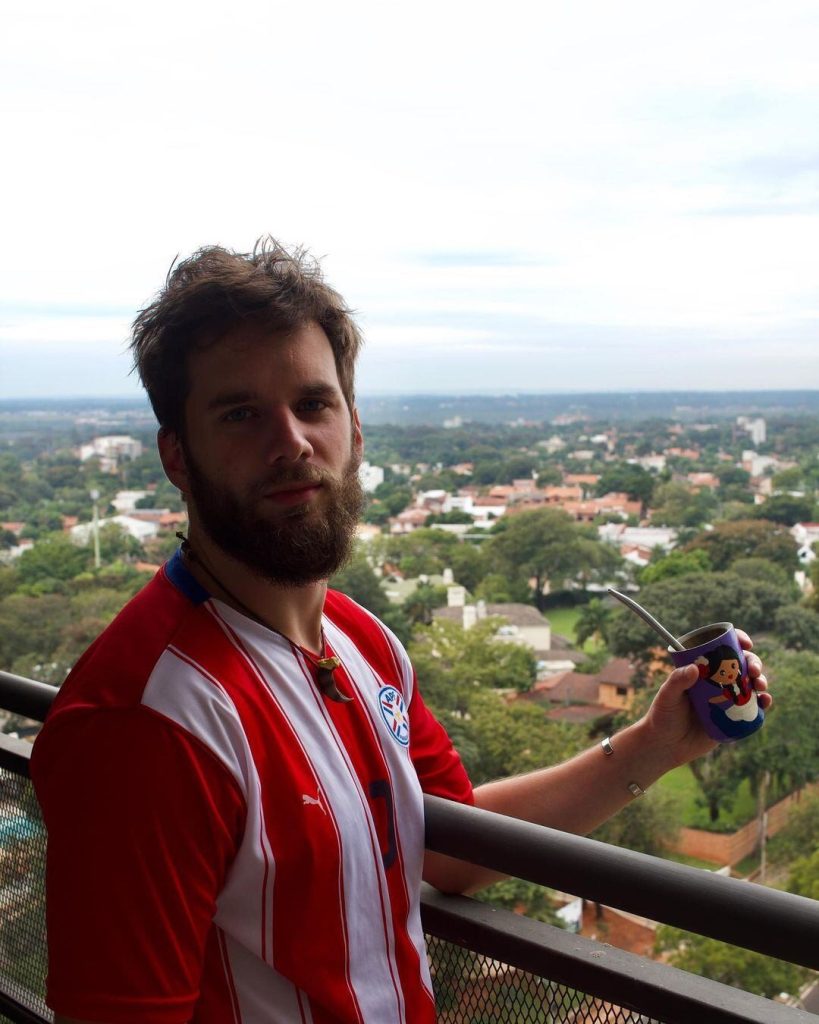
Seastrand first arrived in Paraguay in 2014 at age 20 as a Mormon missionary. His church sent him to a country he knew nothing about for a two-year assignment. He was stationed in flooded neighbourhoods where families had lost everything to rising water and were rebuilding homes on stilts.
Something shifted in him during those two years. “I felt more comfortable living in Paraguay than in the United States,” he explains. When he returned home for university, he realised he wanted to go back. He bought a one-way ticket and returned permanently to Paraguay.
He did not settle in Asunción’s expat neighbourhoods where most foreigners build insulated lives. Wanting to experience the real Paraguay, not the tourist version, he chose Limpio, a working-class neighbourhood. His first house cost seventy dollars per month. It was there he met his wife, a Paraguayan woman whose family he trusts to advise him on sensitive cultural topics before he publishes anything.
“I was purely interested in Paraguayan culture. I wanted to be in it.” Today he studies biology and anthropology, speaks Guaraní decently alongside Spanish, and immerses himself in the country’s history and indigenous traditions.
From social media to serious filmmaking
Seastrand and his brother Zach started documenting Paraguay on social media. The content attracted followers. But as their adventures became more extreme, something became clear: social media was not enough.

“We are out deep in the Chaco in dangerous areas, crossing with dangerous wildlife, in extremely isolated indigenous communities that rarely have visitors,” Seastrand explains. “For what? A video on Instagram? It did not make any sense.”
They were accessing places few outsiders had ever seen and gathering stories that deserved permanent preservation. Compressing these into thirty-second videos felt wasteful. This realisation led to Deep Jungle Studios, dedicated to full-length documentaries.
“Maybe somebody will remember these documentaries in 100 years. But nobody will remember a reel we posted,” he says.
Building trust with indigenous communities
The Chaco covers 60 percent of Paraguay’s landmass but contains only 2 percent of its population. Indigenous communities here speak their own languages and maintain cultural traditions that outsiders rarely understand.
Seastrand’s breakthrough came when he realised something simple: people respond to genuine interest. When he arrives at a village, he asks questions and listens. He demonstrates that he has studied their culture.
“People love when you show interest in them. Remember their name and show interest in their culture,” he says.
This approach transformed a potentially hostile first encounter with the Ayoréo people, who have a warrior heritage. When Nathan Seastrand Yankiguayo arrived at an Ayoréo village, tension filled the gathering. Nobody spoke.
Then he remembered something from his research: Ayoréo chiefs traditionally wear jaguar hats. He asked the village leader about this detail. Everything changed. The chief smiled, retrieved his jaguar hat, and allowed Seastrand to wear it. They became friends. Seastrand remains in contact with these men today, discussing future visits.
The name Yankiguayo
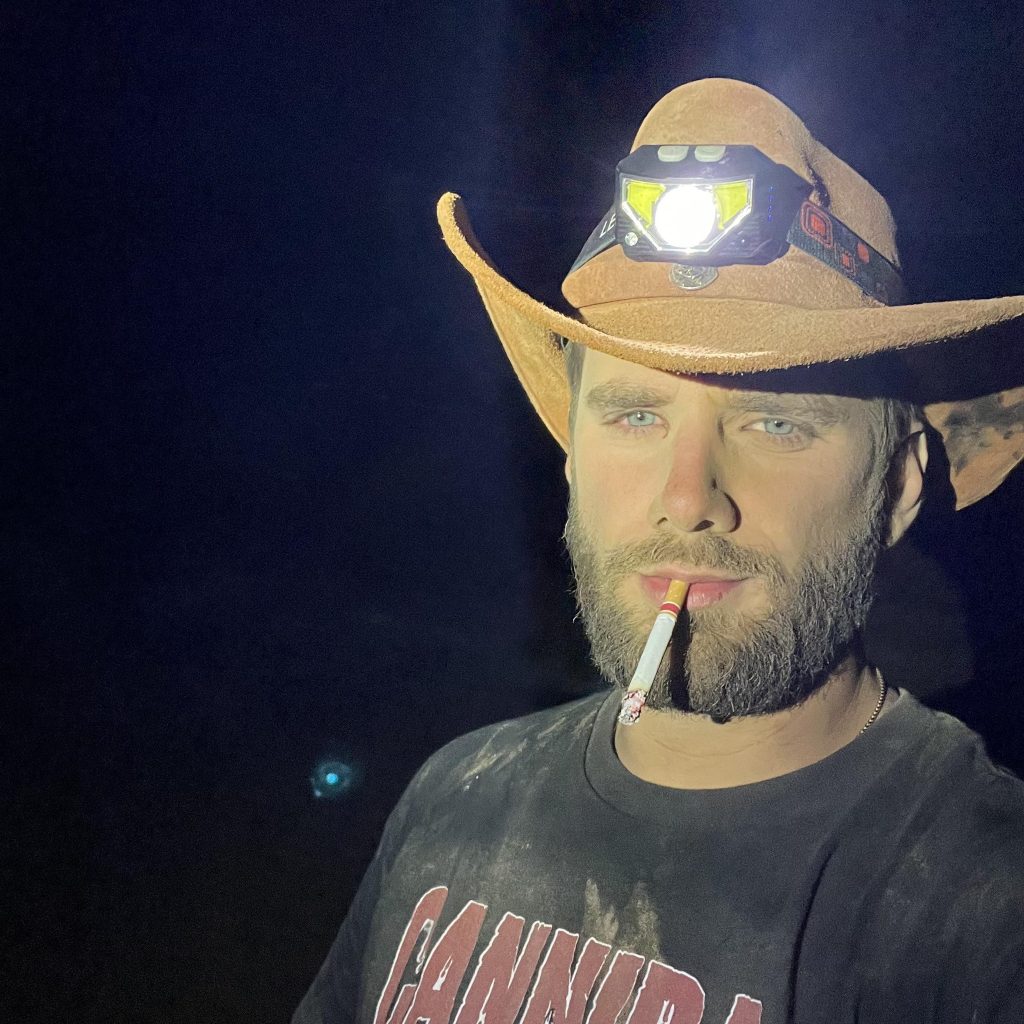
The nickname emerged from practical concerns. When Seastrand first posted online, people could not remember his surname or search for him. So he and his brother adopted simple nicknames. Yankiguayo combines “Yankee” (American) and “Paraguayo” (Paraguayan).
“I do not identify heavily with the name. I always introduce myself as Nathan,” he admits.
The true Yankiguayo, he jokes, is his son, born in Paraguay to an American father and Paraguayan mother. He inherited what Seastrand chose.
Responsibility to the stories
As Nathan Seastrand Yankiguayo’s global audience has grown, his approach to storytelling has matured. He does not make decisions alone. Before publishing about indigenous communities or Paraguayan history, he consults his wife, his father-in-law (an expert in Paraguayan history), and trusted local friends.
“I bounce ideas off my indigenous friends. My father-in-law is extremely well-versed in Paraguayan history and culture,” he explains.
Stories about Paraguay belong to Paraguay first. He is the vessel through which they reach wider audiences.
What he wants people to understand
When asked what he hopes viewers understand about Paraguay, Seastrand is direct.
“We want people to see our stuff and say, ‘Wow, that is awesome.’ We want to blow people’s minds,” he says.
He is not selling tourism packages. He is inviting people to feel what Paraguay has made him feel: genuine wonder and curiosity.
“I feel that Paraguay is an incredible country constantly filling me with curiosity and wonder. We just want other people to feel that too.”
For more, follow Nathan Seastrand on Instagram and Deep Jungle Studio on Instagram, or visit Deep Jungle Studio’s YouTube channel for exclusive live access to their jungle expeditions and unfiltered documentary work from Paraguay’s most remote corners.
For more details about some of the indigenous communities of Paraguay, read about a book on the traditional games of the Ayoreo people of Paraguay’s Chaco has won the international Cenzontle Award for Literary Creation in Indigenous Languages.