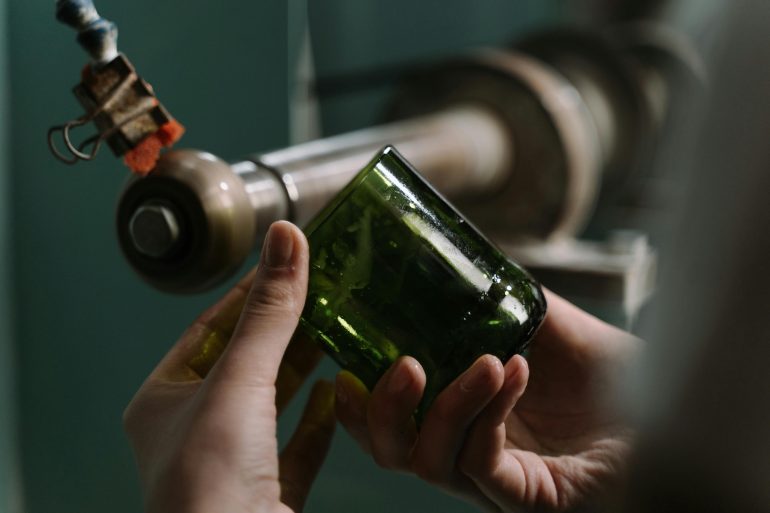

A Paraguayan company is building what its directors describe as the world’s most sustainable hydropowered glass plant, one powered entirely by renewable hydroelectric energy, and expects it to begin production by mid-2026. Parglass SA is constructing the plant in Villa Hayes, a city on the banks of the Paraguay River roughly 30 kilometres north of the capital Asunción. The US$85 million project will introduce a technology with no precedent in industrial glass manufacturing worldwide.
A market with room to grow
Paraguay currently has just one domestic glass bottle manufacturer, leaving businesses heavily dependent on imports for their packaging needs. Sergio Cibils Baumann, director of Parglass, says the company aims to change that by widening access to glass containers for producers of all sizes, from large food and beverage companies to small artisan producers through its hydropowered glass plant. Many small businesses, jam makers, for example, currently reuse second-hand jars because new domestic glass is either unavailable or unaffordable.
Parglass and Pavisa, a Mexican family-owned company with more than 70 years of experience, jointly developed the project. Parglass belongs to Grupo Bogarín, a Paraguayan holding also owning a cement manufacturer and a Hyundai and Maserati dealership.
The furnace that sets this Paraguay glass factory apart
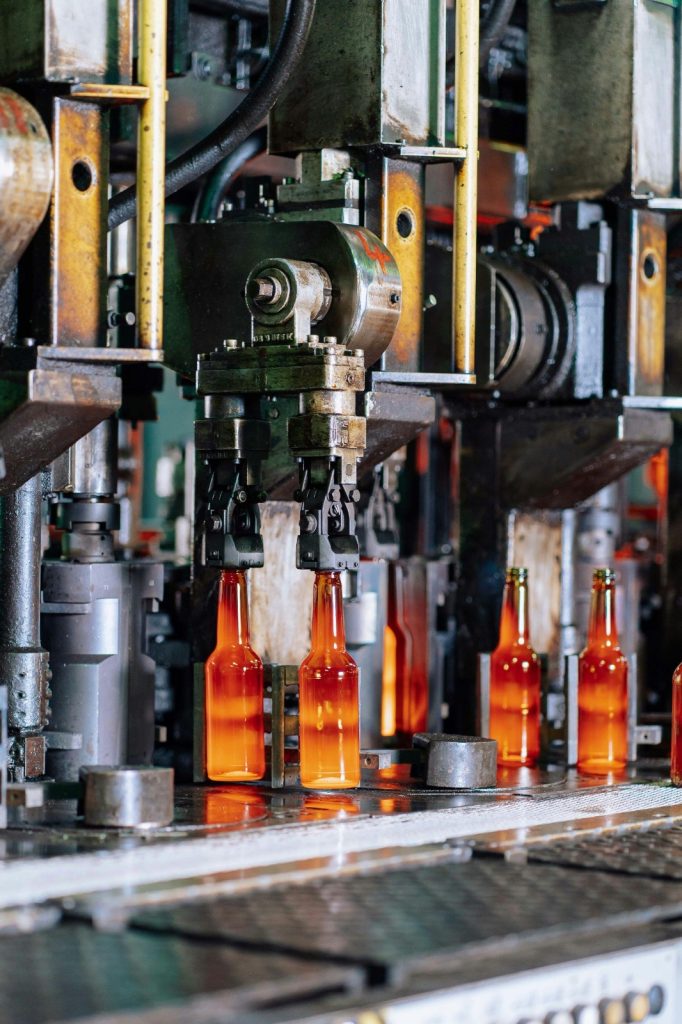
The plant’s furnace will produce 150 tonnes daily and run entirely on electricity, unlike fossil fuel-based models. In Paraguay, virtually all electricity is generated by hydroelectric dams, including Itaipú, one of the largest in the world, located on the border with Brazil.
Cibils Baumann describes it as the first project globally to operate a glass furnace of this type on 100% electric and hydroelectric energy, allowing the company to offer containers with a minimal carbon footprint. Paraguay’s Ministry of Industry and Commerce (MIC) calls the furnace the first of its kind in the industry.
The technology does, however, come with challenges. Cibils Baumann said stable electricity is critical, noting Paraguay’s limited experience with electric glass furnaces. The company has assembled a dedicated technical team that has been training since the project began.
Export ambitions, even before production starts
Although production hasn’t started, Parglass already has a commercial presence in Ecuador, Chile, Uruguay, and the Dominican Republic. The company plans to direct between 40 and 50% of output to the domestic market, with the remainder destined for export, primarily to premium segments where packaging design and differentiation are key purchasing factors.
Cristian Pemjean says glass containers have evolved into marketing tools, with brands increasingly seeking personalized solutions. The plant will offer integrated mould design, painting and screen-printing services, enabling a high degree of customisation.
Jobs and recycling
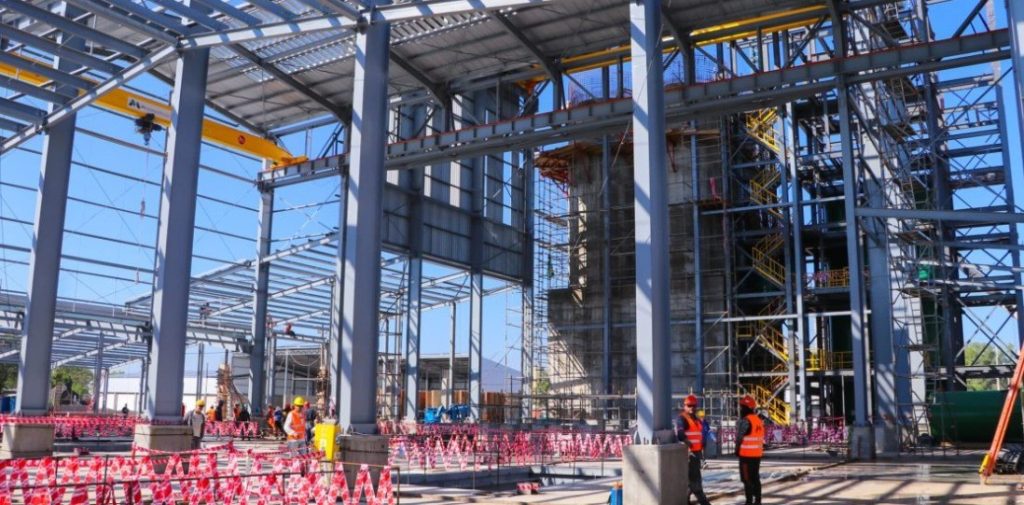
Deputy Minister of Industry Javier Viveros, who visited the construction site, highlighted the project’s potential to strengthen Paraguay’s industrial supply chain, create employment and promote manufacturing innovation. Around 300 workers are currently on site, and the project has already accumulated more than 365,000 man-hours of labour. Once running, the plant will employ 170 directly and generate approximately 1,000 indirect jobs in logistics and services.
The factory contributes to reactivating Paraguay’s glass recycling chain, supporting thousands dependent on it for work. Parglass estimates that between 20,000 and 25,000 families in Paraguay make part of their income from recycling, and the company says it is working with the Chamber of Sustainable Industry and the MIC to formalise recyclers and improve their access to equipment and resources.
Timeline and scale
The MIC estimates the plant will have a monthly production capacity of between six and seven million glass units. The MIC has indicated a start of operations in July 2026, while the company itself has at times cited August. Both point to the second half of 2026, and construction is described by all parties as progressing on schedule. The ministry says the factory will help reduce Paraguay’s dependence on imported glass containers and strengthen the country’s trade balance.