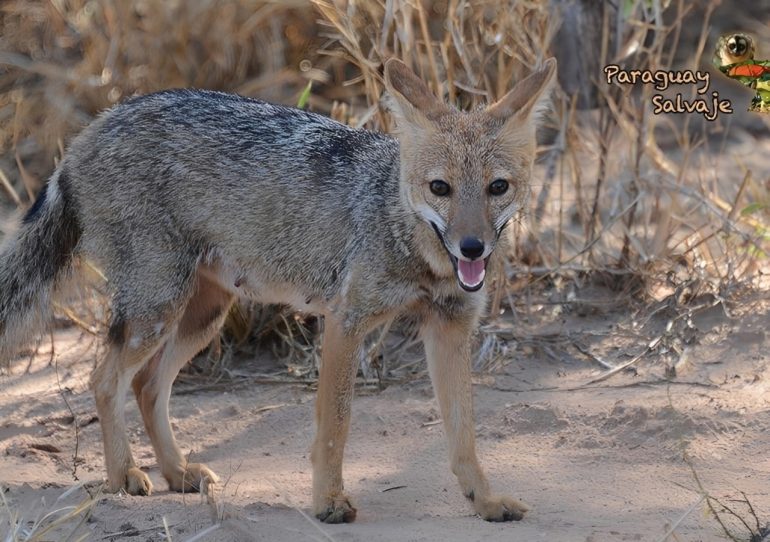

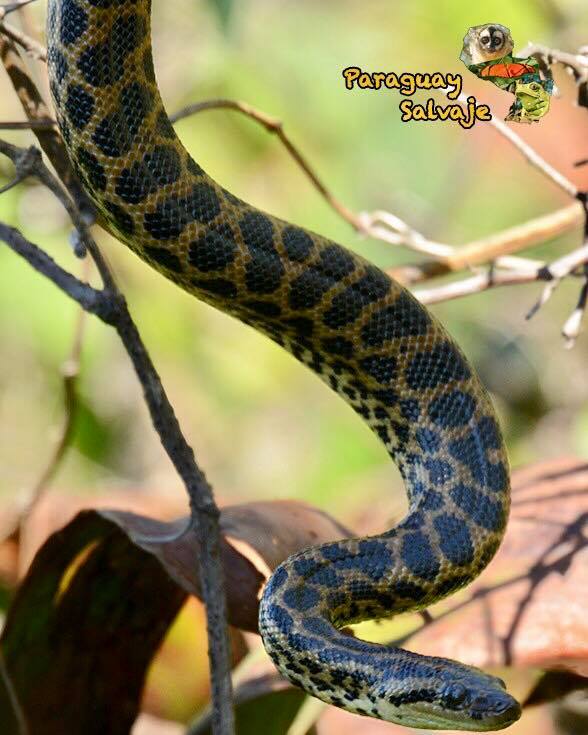
A crab-eating fox was recently spotted among the vegetation at Parque Guasu Metropolitano, surprising visitors and delighting nature lovers. In recent weeks, there have also been sightings of a kuriju (green anaconda), a ñacanina (a non-venomous snake common in wetlands), and a lobope (crab-eating raccoon). The encounters highlight the ecological importance of the capital’s largest urban park. These animals also remind residents that biodiversity continues to flourish in the heart of Asunción.
A visitor spotted the crab-eating fox, colloquially called “aguará’i” or by its scientific name Cerdocyon thous, calmly roaming along the park’s trails. A visitor recorded the animal and shared the footage on the park’s official Instagram page. The images quickly drew attention and sparked conversations about urban wildlife conservation.
“Its presence is a powerful reminder: even in the middle of the city, wildlife persists where well-preserved natural areas exist,” park representatives reflected online.
Parque Guasu Metropolitano: More than just a green space
Park officials emphasised that the grasslands, woodland patches, and wetlands are not merely scenic backdrops. Instead, these areas provide habitat, food, and shelter for numerous native species. The recent fox sighting shows how these ecosystems support rich biodiversity.
Authorities insist that protecting Parque Guasu is essential for maintaining this balance. “Caring for urban green spaces means not leaving litter, respecting wildlife, not feeding wild animals, and moving around responsibly,” they stressed.
A refuge for mammals, birds, and reptiles
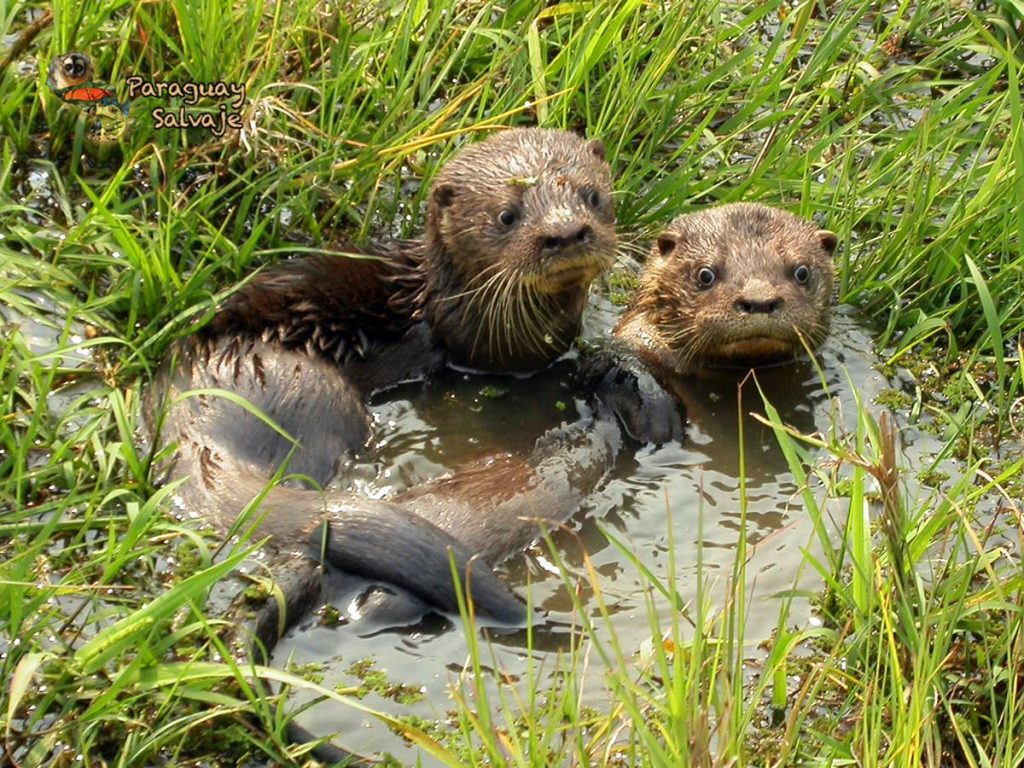
Beyond the headline-grabbing sightings, the park is home to a wide range of species. Mammals such as the Coypu (Myocastor coypus), crab-eating raccoons, opossums, and several bat species inhabit the area. The coypu, a large semi-aquatic rodent, usually lives near lagoons and marshy zones, where it feeds on aquatic vegetation.
Reptiles are also common. Tegu lizards, smaller native snakes, and amphibians thrive in the marshy areas, particularly during the rainy season. Birdlife remains one of the park’s greatest treasures. Southern lapwings, herons, egrets, caracaras, parrots, woodpeckers, and hummingbirds are regularly observed. Migratory species also visit at certain times of the year.
Read more: 5 Dog-Friendly Green Spaces In Asunción For A Perfect Pup Walk