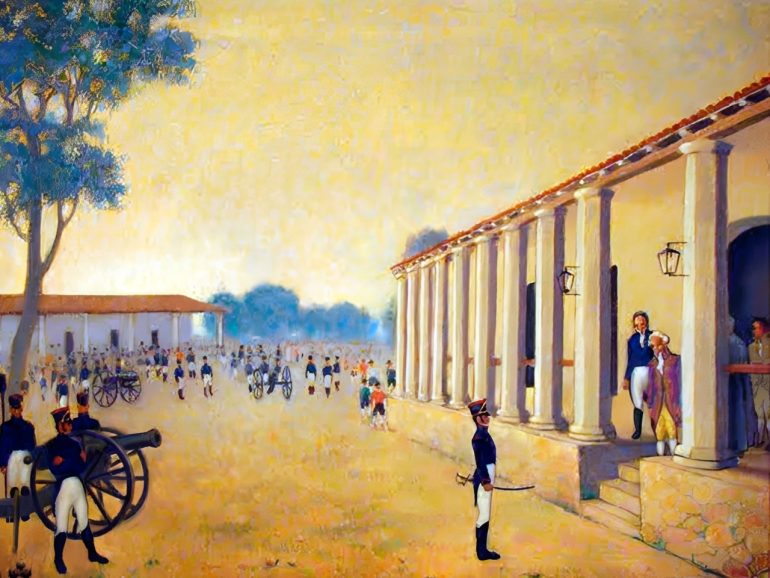

To better understand the present, it can be useful to check the historical timeline. In the case of Paraguay, a country with a long and complex story, its historical timeline helps explain how its society, politics and culture developed over time.
Paraguay has gone through several distinct historical eras. Many historians divide the country´s history into stages that include the pre-colonial period, Spanish colonisation, independence, reconstruction after the War of the Triple Alliance, the Chaco War, the dictatorship era and the democratic transition. This is The Asunción Times‘ historical timeline of Paraguay.
The first stage of the historical timeline: Guaraní societies
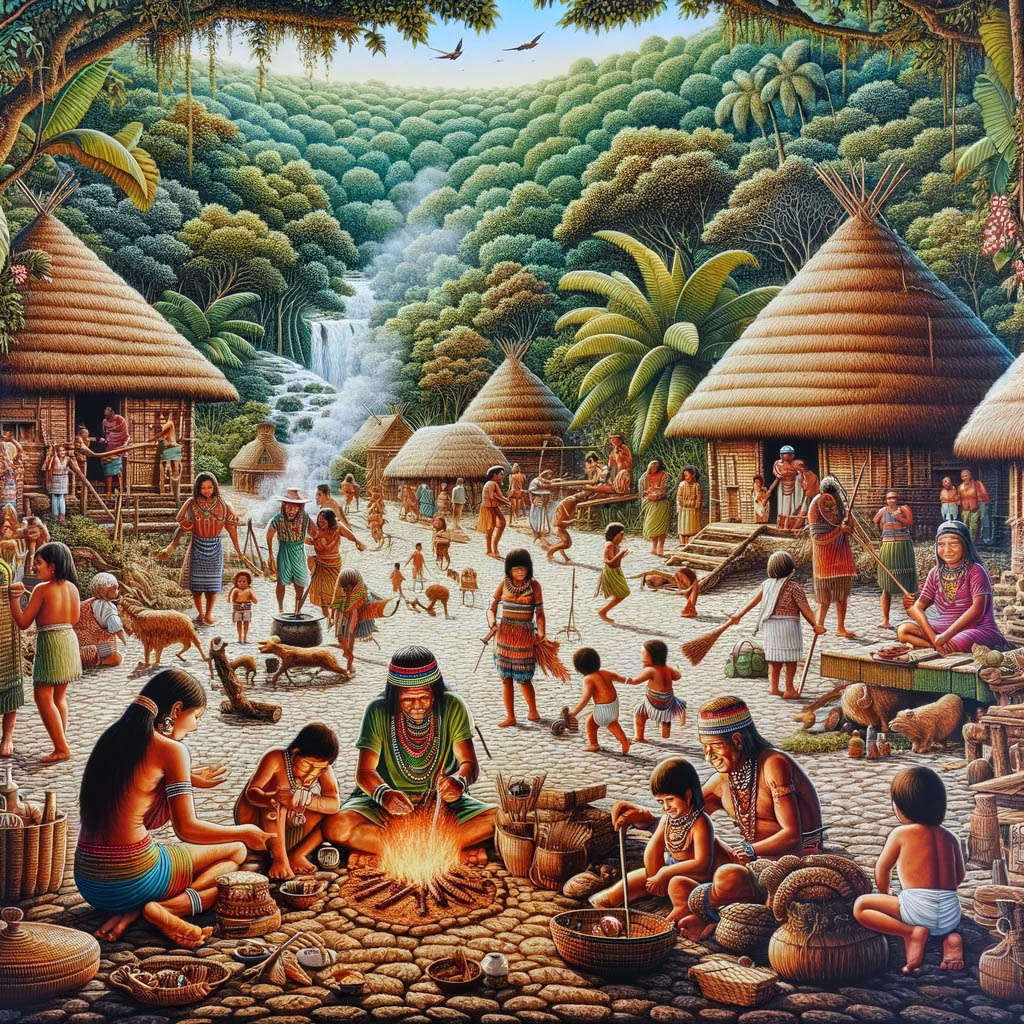
Before the 16th century, the territory that is now Paraguay was inhabited by several indigenous groups. Many of these communities were semi-nomadic, moving periodically when local resources became scarce. Among them, the most numerous and culturally influential were the Guaraní people.
Guaraní communities organised their lives around agriculture, hunting and fishing. Their social structures were typically based on extended families and tribal leadership. The main leader of each community was a chief, often referred to as a cacique. Elders were highly respected within society.
They did not leave large monuments or permanent structures. However, their cultural legacy remains deeply influential. Their language, traditions and knowledge, including herbal medicine, became part of Paraguay´s cultural identity. Today, the Guaraní language is one of Paraguay´s official languages and a key element of national identity.
Spanish colonisation
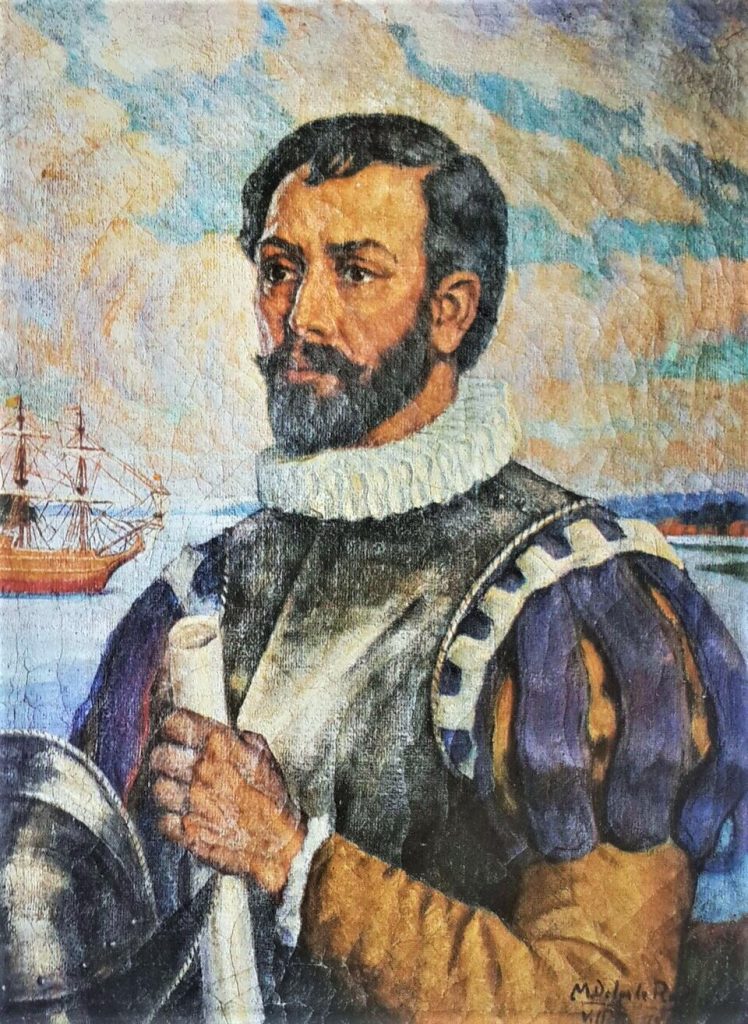
European contact with the region dates back to 1524. Portuguese explorer Alejo García travelled through the area while searching for legendary sources of wealth in the interior of South America. Formal Spanish colonisation began in 1537 with the foundation of Asunción by Juan de Salazar y Espinoza. Due to its strategic location along the Paraguay River, the settlement quickly became an important colonial centre.
Asunción later gained the nickname “Mother of Cities”. Because many settlements in the region were founded by colonists departing from there. These included cities such as Buenos Aires, which was re-founded in 1580 with settlers from Asunción. As well as Corrientes, also in Argentina, and Santa Cruz de la Sierra, in Bolivia.
Spanish settlers often established alliances with Guaraní leaders through marriage with their daughters. As a result, the population of creoles and mestizos grew rapidly. They quickly outnumbered the Spanish authorities themselves.
Another important aspect of colonial Paraguay was the creation of Jesuit missions. Jesuit priests sought to evangelise the Guaraní population while protecting them from enslavement by colonial settlers. These organised communities became known as the Jesuit reductions. The missions functioned as complex communities where indigenous people learned crafts, agriculture and Christian religious practices. However, the Jesuits were expelled from Spanish territories in 1767 by order of the Spanish crown. Despite their disappearance, the missions left a lasting cultural legacy in the region.
Independence
Paraguay declared its independence from Spain on 14 and 15 May 1811. Local leaders sought autonomy from colonial authorities. Spain itself was weakened by the Peninsular War and the incarceration of the Spanish king by Napoleon Bonaparte.
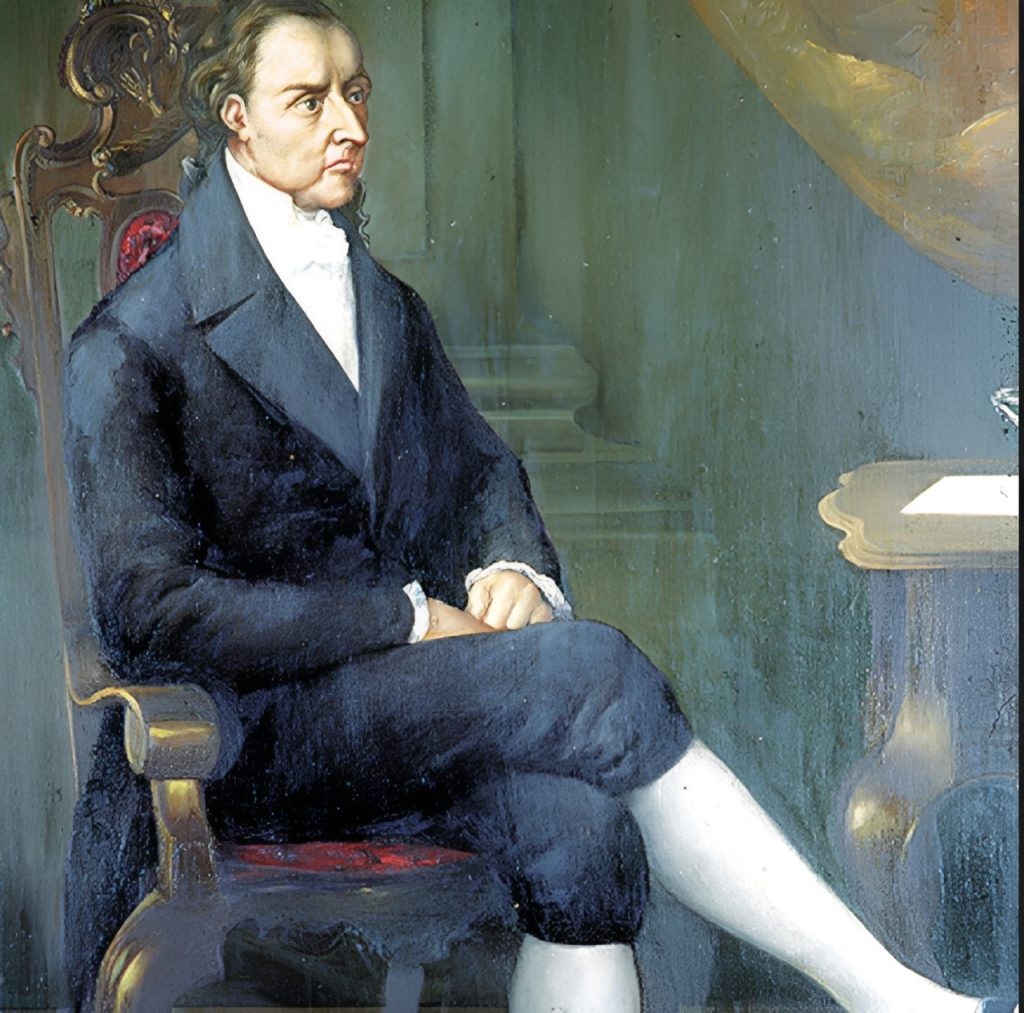
Military victories in the battles of Paraguarí and Tacuarí helped secure Paraguay´s political autonomy from the United Provinces of the Río de la Plata. After a brief period of political instability, power was consolidated by José Gaspar Rodríguez de Francia. He governed the country from 1814 until his death in 1840. Francia established a highly centralised government that limited foreign influence. He kept Paraguay largely isolated. During his rule, the country prioritised self-sufficiency and internal stability.
Tragic event in the historical timeline: the Triple Alliance War
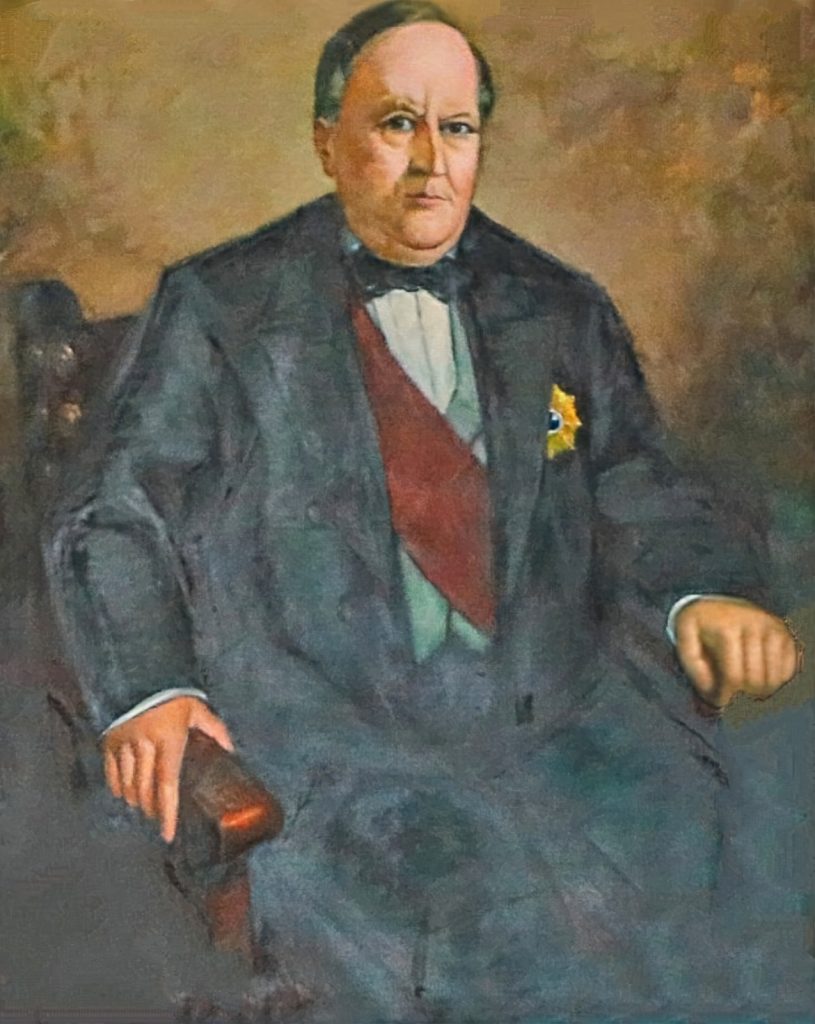
Following Francia´s death, Paraguay entered a period of modernisation under Carlos Antonio López. He became president in 1844. His administration promoted infrastructure development, education and early industrialisation. The government built railways, encouraged international study for Paraguayan students and established the country´s first newspaper.
After his death in 1862, leadership passed to his son Francisco Solano López. Tensions in the region eventually led to the outbreak of the War of the Triple Alliance in 1864. Paraguay fought against an alliance formed by Brazil, Argentina and Uruguay.
The war lasted six years and devastated Paraguay. In 1870, the country had suffered massive population losses, economic destruction and territorial reductions. The death of Francisco Solano López marked the end of the war and the beginning of a long period of national reconstruction.
A key event in the historical timeline: The Chaco War
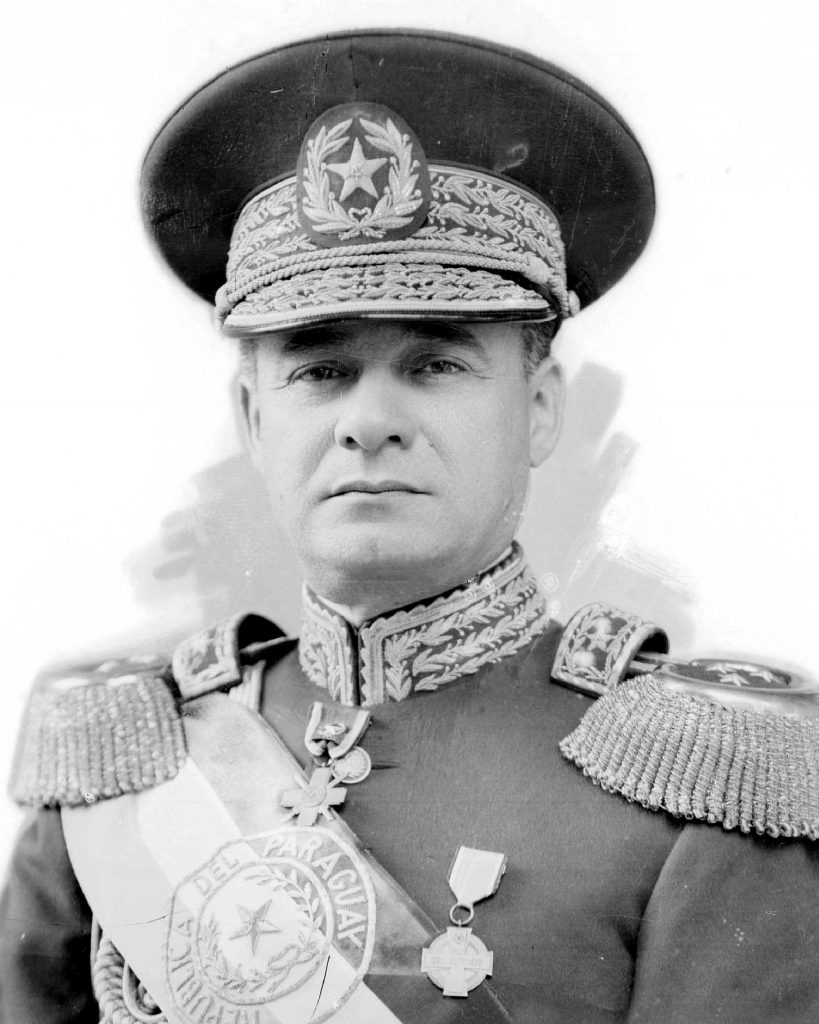
During the early 20th century, Paraguay experienced political instability and several internal conflicts. However, attention soon shifted to tensions with Bolivia over control of the Chaco region. The Chaco War began in 1932 and became one of the largest conflicts in South American history.
Paraguayan forces were commanded by José Félix Estigarribia, who successfully led the army throughout the campaign. The war ended in 1935 with Paraguay securing control over most of the disputed territory. Despite the victory, the war left deep political consequences. Many returning soldiers faced economic hardship, and the military gained increasing influence in national politics.
The Stroessner dictatorship
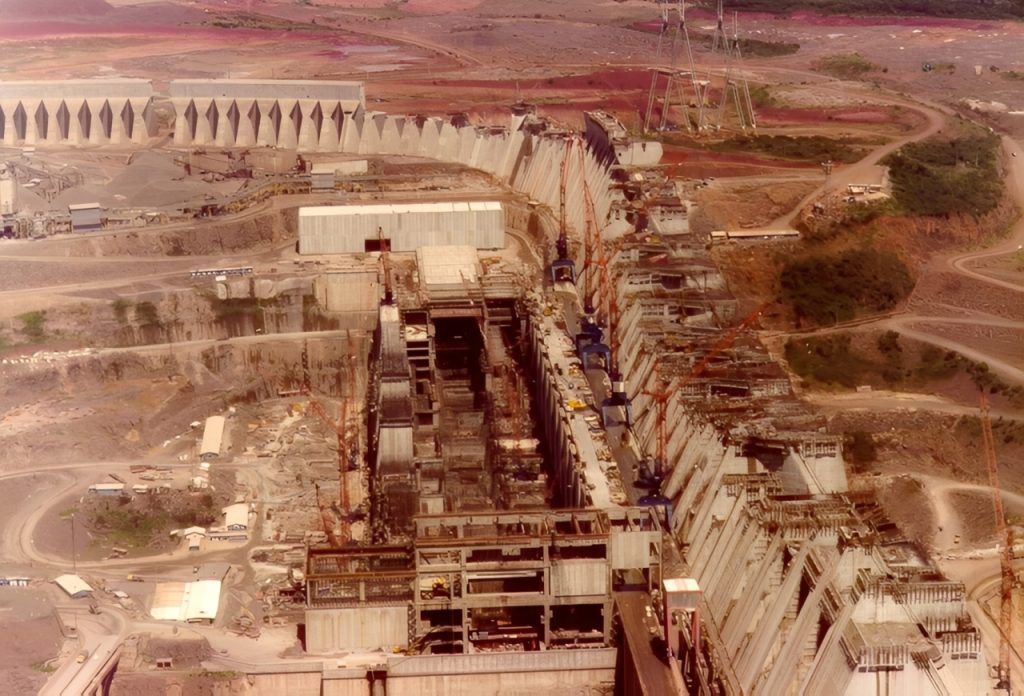
In 1954, General Alfredo Stroessner came to power through a military coup. Stroessner ruled Paraguay for 35 years under an authoritarian regime. This regime was characterised by political repression, censorship and human rights violations. At the same time, his government oversaw major infrastructure projects. These include the construction of the Itaipu Dam and the expansion of the national road network.
The dictatorship ended in 1989 when Stroessner was overthrown in a coup led by Andrés Rodríguez. He later initiated the country´s democratic transition.
Democratic transition
Since 1989, Paraguay has undergone a gradual process of democratic consolidation. The adoption of a Constitution established new democratic institutions, expanded civil liberties and strengthened the rule of law. Although the country has experienced political crises and economic challenges in recent decades, democratic elections and constitutional governance have continued.
Today, Paraguay seeks to strengthen its economy, institutions and international integration. While also maintaining the cultural heritage shaped by centuries of history.