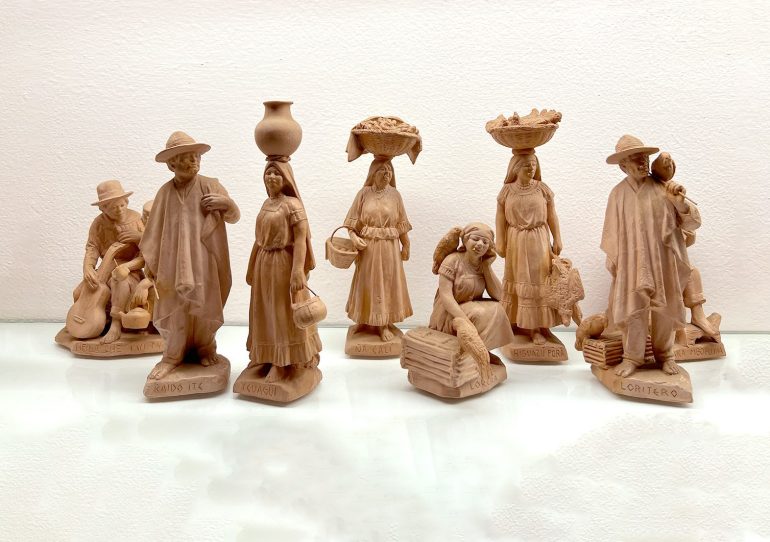

The exhibition 50+ opens on Saturday, 28 March 2026, at 18:30 at the Clay Museum in Asunción. The show marks the 50th anniversary of the Juan de Salazar Cultural Centre of Spain and honours decades of cultural collaboration between Paraguay and Spain.
Curated by Ticio Escobar and Osvaldo Salerno, the exhibition forms part of a broader anniversary programme. However, organisers stress that the scope reaches far beyond a commemorative date. As one speaker noted during the preview, “The exhibition does not begin with 50 years alone… it embraces a much broader framework.” In other words, 50+ uses the anniversary as a point of departure to explore deeper artistic and historical exchanges.
Four sections trace shared histories
The exhibition unfolds across four thematic sections that examine different moments of encounter. Rather than offering a strict chronology, the curators propose a series of dialogues across time.
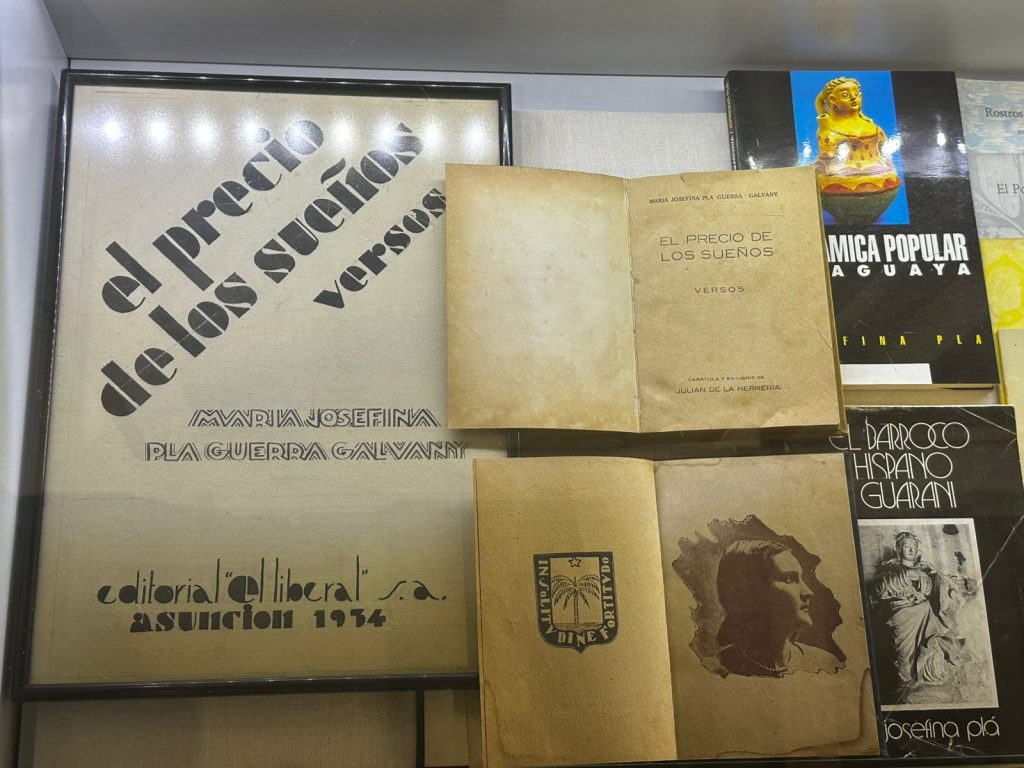
The first section addresses colonial processes and transculturation. It revisits how European religious models intersected with Indigenous and mestizo interpretations, shaping Paraguayan popular art. Here, the concept of the Hispano-Guaraní, associated with Josefina Plá, becomes central. As explained during the presentation, “It is not a mere mixture, but produces a new result, a new concept in a new image.”
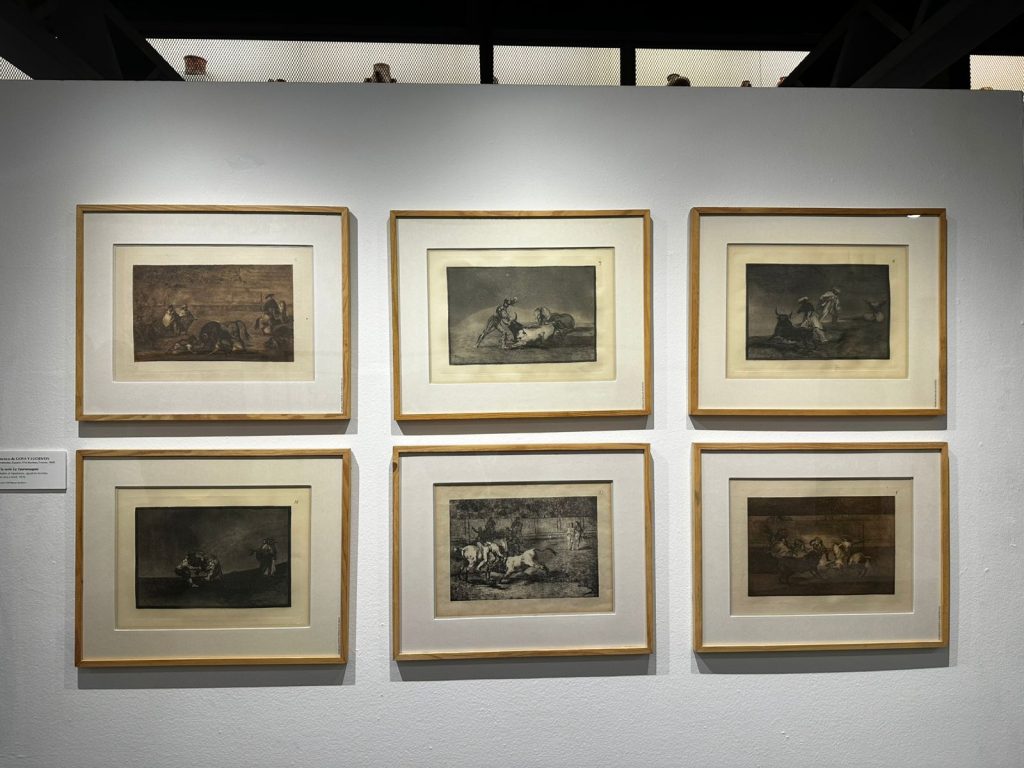
Another key is the presence of engravings by Francisco de Goya. His work structures the exhibition visually and conceptually. “The central and visually structuring figure of this exhibition is Goya,” one organiser stated.
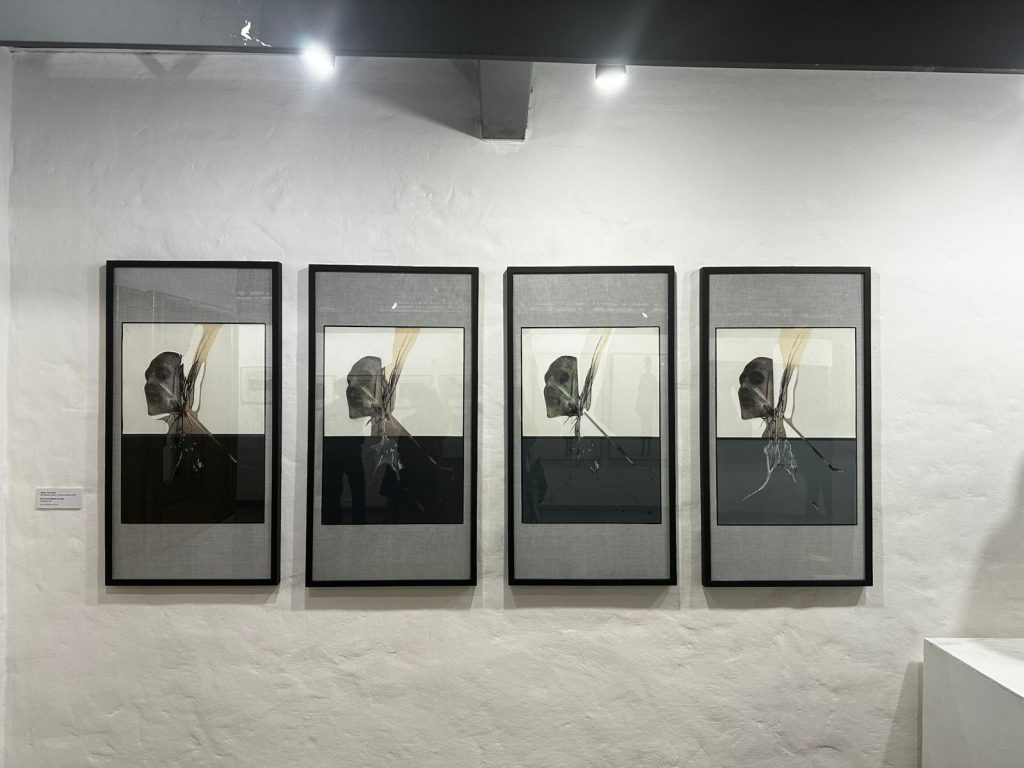
A third section focuses on Paraguayan artists who trained in Spain, including Julián de la Herrería and Carlos Colombino. Their trajectories demonstrate how artistic mobility shaped modern Paraguayan art. The exhibition also features Spanish artists who lived or worked in Paraguay, reinforcing the bidirectional nature of exchange.
Finally, the show presents literary and essayistic works by intellectuals deeply linked to the country, such as Rafael Barrett and Bartomeu Melià. This section broadens the dialogue beyond the visual arts.
An emotional and institutional bond
Beyond artworks, 50+ reflects on relationships built over decades. “We have very strong ties with Spain and with the Cultural Centre, the emotional dimension is very powerful,” one speaker remarked.
The exhibition also recalls earlier collaborative projects, including travelling shows that carried original works across Paraguay. “It was a complex, ambitious, and risky project,” the curator remembered, referring to the logistical challenges of transporting engravings throughout the country. These experiences underscore the level of trust and commitment involved in sustained cultural cooperation.
Ultimately, the tone of the exhibition is both reflective and celebratory. As one voice poignantly concluded, “There is something about Paraguay that leaves its mark on us.”
With sculptures, engravings, ceramics, paintings, photographs, and historical documents displayed side by side, 50+ creates a layered conversation between popular art, academic traditions, and experimental practices. More than an anniversary tribute, the exhibition invites visitors to consider how five decades of institutional collaboration rest upon centuries of shared history, transformation, and creative exchange.
The Clay Museum is open from Tuesday to Saturday, from 14:00 to 20:00. Admission is free on Fridays and Saturdays.
This article was written in collaboration with Genesis Fornera, another author from The Asunción Times.
Read more: Paraguay’s Leisure Time: A Glimpse Into The Weekend In Asunción