



Maggie Leri (51) is an author, coach, motivational speaker, and open-water swimmer whose story has inspired thousands of people. Living with multiple sclerosis has changed many aspects of her life, but not her determination. Rather than allowing her diagnosis to define her, Maggie has turned it into a platform to encourage resilience, self-belief, and the power of choosing a different perspective.
Today, Maggie combines her work as an author and coach in Paraguay and abroad. She is also an ambassador for UNESCO’s Fit for Life programme, which promotes physical activity as a tool for improving health, inclusion, and wellbeing. While many people first discover her through her story of living with MS, she hopes that is not what they remember most.
Nearly twenty years without answers
For almost twenty years, Maggie Leri felt that her body was trying to tell her something that no one else seemed willing to hear. She gradually lost her balance, fell off her bicycle, and noticed that her legs no longer responded as they once had. Every medical appointment ended in the same way: she was told that nothing appeared to be wrong. Some specialists blamed stress. Others suggested her symptoms were psychological. After years of hearing the same explanations, she began to question her own instincts.
“There came a point when I even doubted myself because every doctor kept telling me nothing was wrong,” Maggie recalls in an interview with The Asunción Times. “Eventually, I started wondering whether it really was all in my head.”
The answer finally arrived nearly two decades later. She was diagnosed with multiple sclerosis (MS), a chronic disease that affects the central nervous system. While many people associate such a diagnosis with fear, Maggie remembers feeling something unexpected.
“Receiving the diagnosis was actually a relief. For years, I had been told everything was in my head. Suddenly, I realised I was not imagining it. What I was experiencing had a name.” Although the diagnosis explained what had been happening to her body, it did not determine how she would live the rest of her life.
Choosing a different perspective
Like many people diagnosed with a chronic illness, Maggie initially experienced fear, uncertainty, and grief. The future seemed impossible to predict, and she had to learn to accept a reality she had never imagined for herself.
“There came a moment when I stopped asking, ‘Why me?’ I started asking, ‘What kind of life do I want to live? Why am I here?’ That changed everything because it shifted my attention away from the illness and towards the life I still wanted to build. I understand the illness as part of me, but I do not give it the leading role.”
For Maggie Leri, resilience is not built through extraordinary achievements alone. It begins with the habits people rarely think about. “Brushing your teeth is a great act of discipline,” she says with a laugh. “You get up, and you do it. Then you do it again the next day. Those small actions teach you consistency, and consistency gives you strength.”
Finding freedom in the water
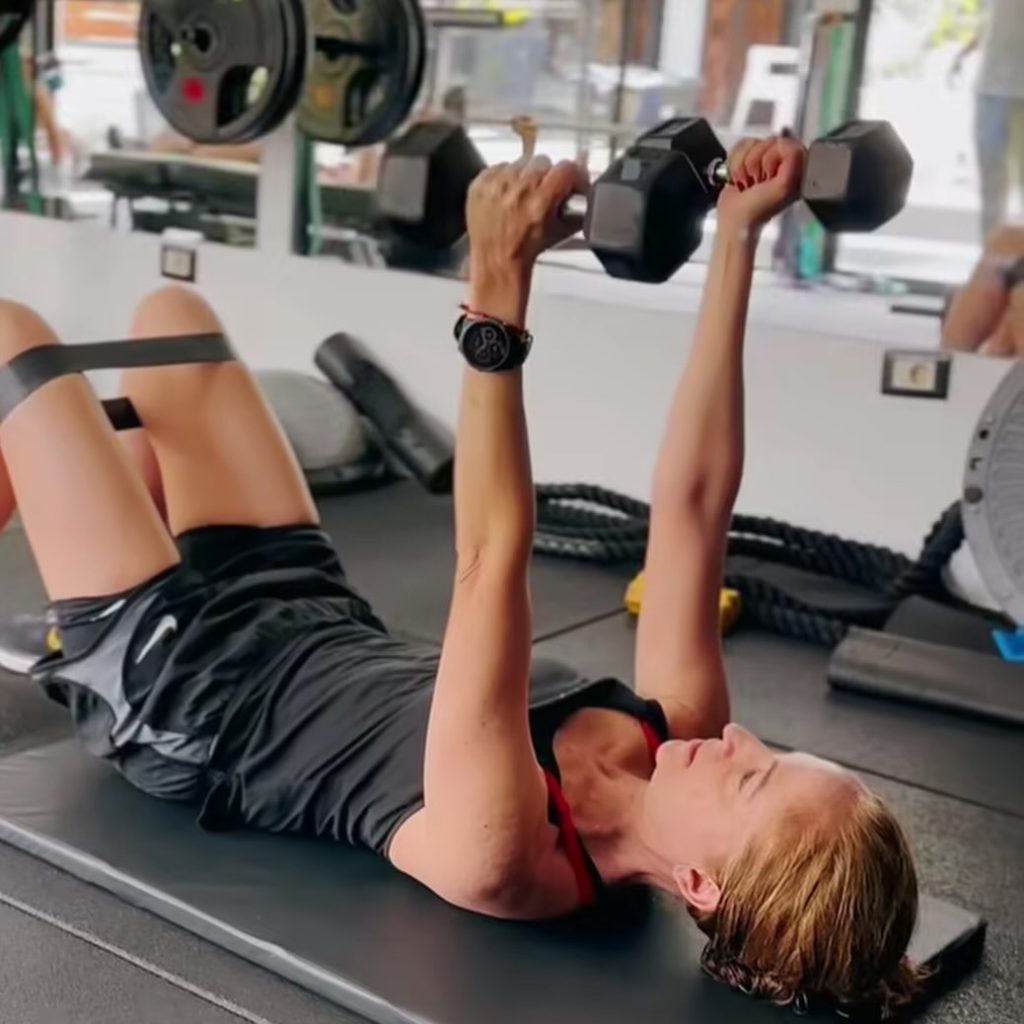
Sport had always been part of Maggie’s identity. When some doctors advised her to stop exercising in order to avoid placing additional strain on her body, she decided to research the condition for herself. She found stories of athletes living with multiple sclerosis who continued competing. Swimming, in particular, transformed the way she experienced her own body.
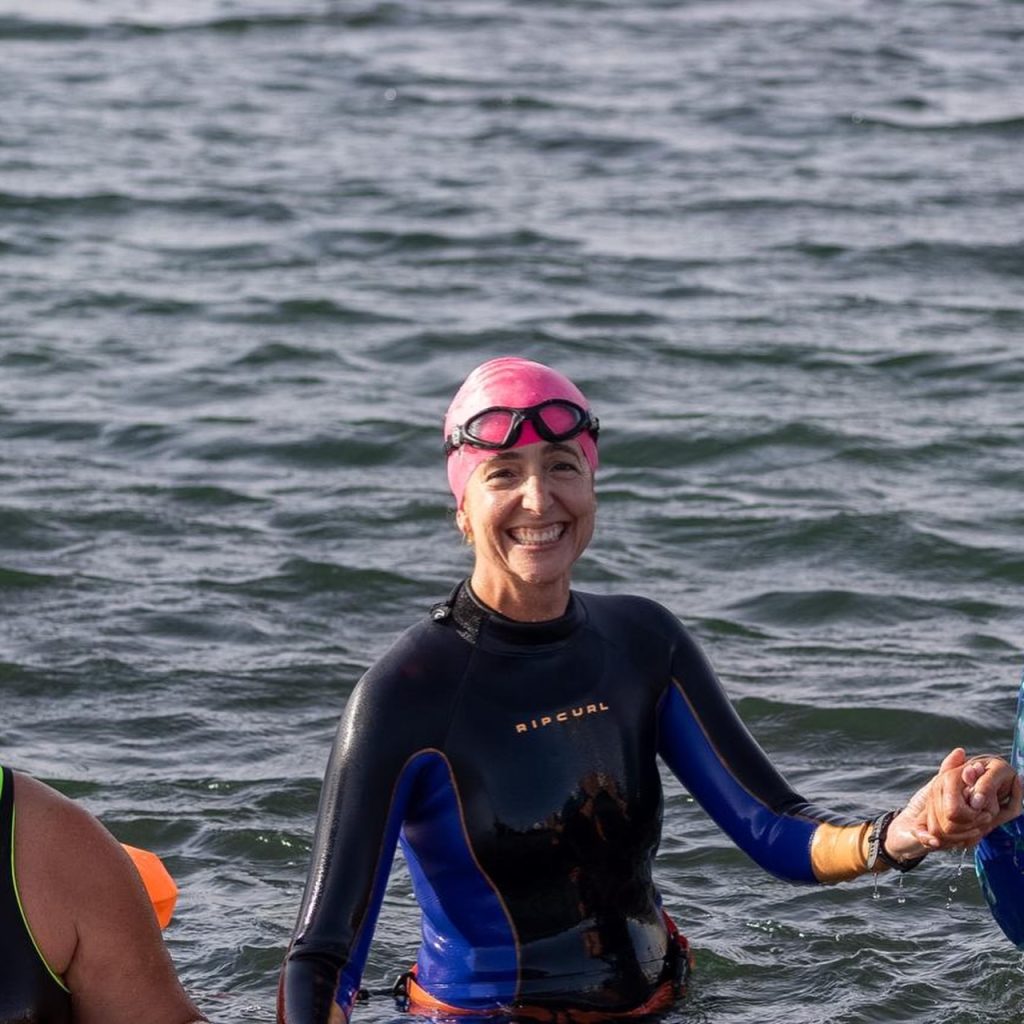
“I feel whole when I am in the water. I do not fight gravity. I float. It is where I feel free.”
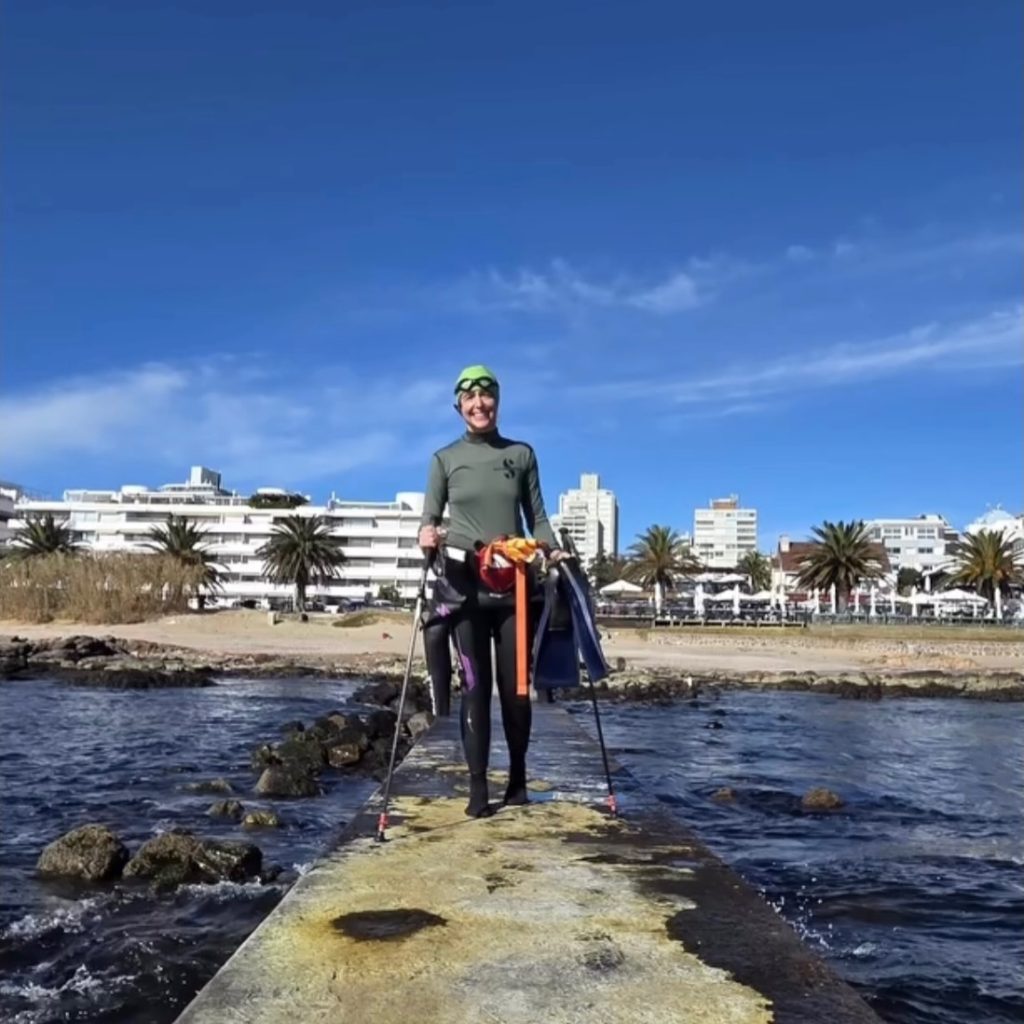
While Maggi Leri relies on walking poles on land, the water offers a sense of independence that is difficult to find elsewhere. That feeling inspired her to take on open-water challenges and endurance events, including the Ironman Punta del Este relay, proving to herself that her diagnosis did not have to define her ambitions.
“I believe in myself. That is why I still go into the sea, even though walking has become difficult.”
“I do not want people to remember me because I have multiple sclerosis”
For much of her life, the word brava (fierce) carried negative connotations. It was often used to describe her personality, suggesting she was difficult, stubborn, or too outspoken. Rather than rejecting the label, Maggie eventually decided to reclaim it.
“People used to call me brava, and it was never meant as a compliment. Over time, I realised I could redefine the word. Today, brava means courage, compassion, and forgiveness, both towards myself and towards others.”
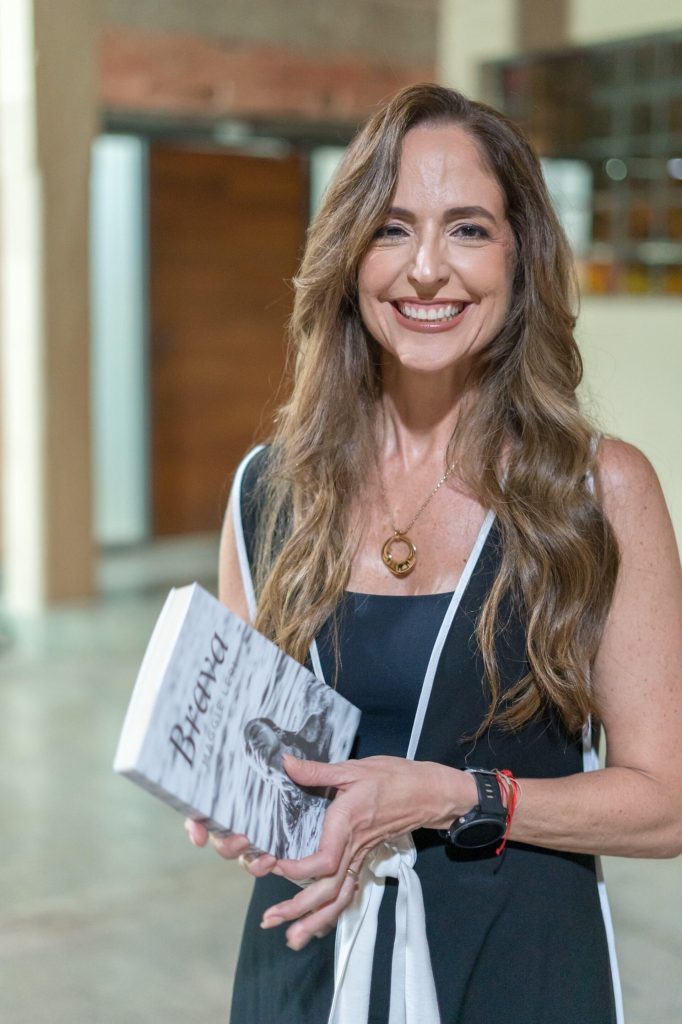
That new understanding became the foundation of her book, Brava. Although inspired by her experience with multiple sclerosis, Maggie insists that it is not a book about illness. Instead, it explores vulnerability, resilience, and the ability to rebuild a life after unexpected change.
“Writing has always been my refuge. Some things are much easier for me to express on paper than out loud.”
The book also grew out of the conversations she was having online. As Maggie Leri began sharing more of her story on social media, followers wanted to know what lay behind the short videos and posts. Brava became her opportunity to tell that story in full.
“I wanted readers to find themselves in its pages, whether they are living with an illness or simply going through a difficult time. I do not want people to remember me because I have multiple sclerosis. I want them to remember that we all have the ability to choose how we respond to what happens to us.”
Recalculating the route
There is one idea that repeatedly appears when Maggie Leri speaks about her life: recalculate. She compares it to the voice of a GPS. When a road is closed, the journey does not end. The route simply changes. That metaphor has become the way she understands adversity. Multiple sclerosis has changed many aspects of her daily life, but it has not taken away her desire to keep learning, training, writing, or helping others. Instead of measuring her life by what she has lost, she chooses to focus on what remains possible.
When asked what she would say to someone who has just received the same diagnosis, her advice is both practical and compassionate. “First, give yourself permission to feel the pain. Receiving a diagnosis is not easy, and you should never feel guilty for grieving. Then there are two things that become essential: take responsibility for what you can do, and believe in yourself.”
Looking back, Maggie does not describe her journey as a battle she has won, but as an ongoing process of adapting to change. Some days remain more difficult than others, and uncertainty has never disappeared entirely. What has changed is the way she chooses to face it.
For another inspiring story, read From Paraguay To The Stars: Hernando Gauto And His Key Role In NASA’s Artemis II Mission.

