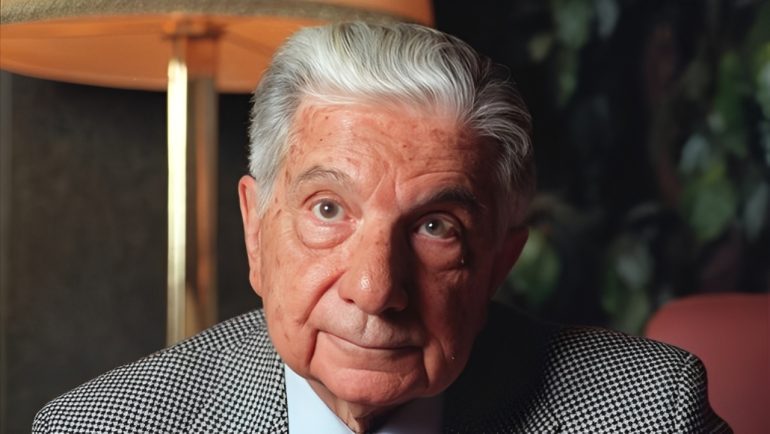

Each 23 April, the world celebrates International or World Book Day. This a date that honours literature, authors, and the enduring power of books to shape cultures and ideas. In Paraguay, this celebration naturally leads to one unavoidable reference: Yo el Supremo (I, the Supreme), the monumental novel by Augusto Roa Bastos. Roa Bastos is widely regarded as the greatest literary figure in the country’s history. And I, The Supreme his magnum opus.
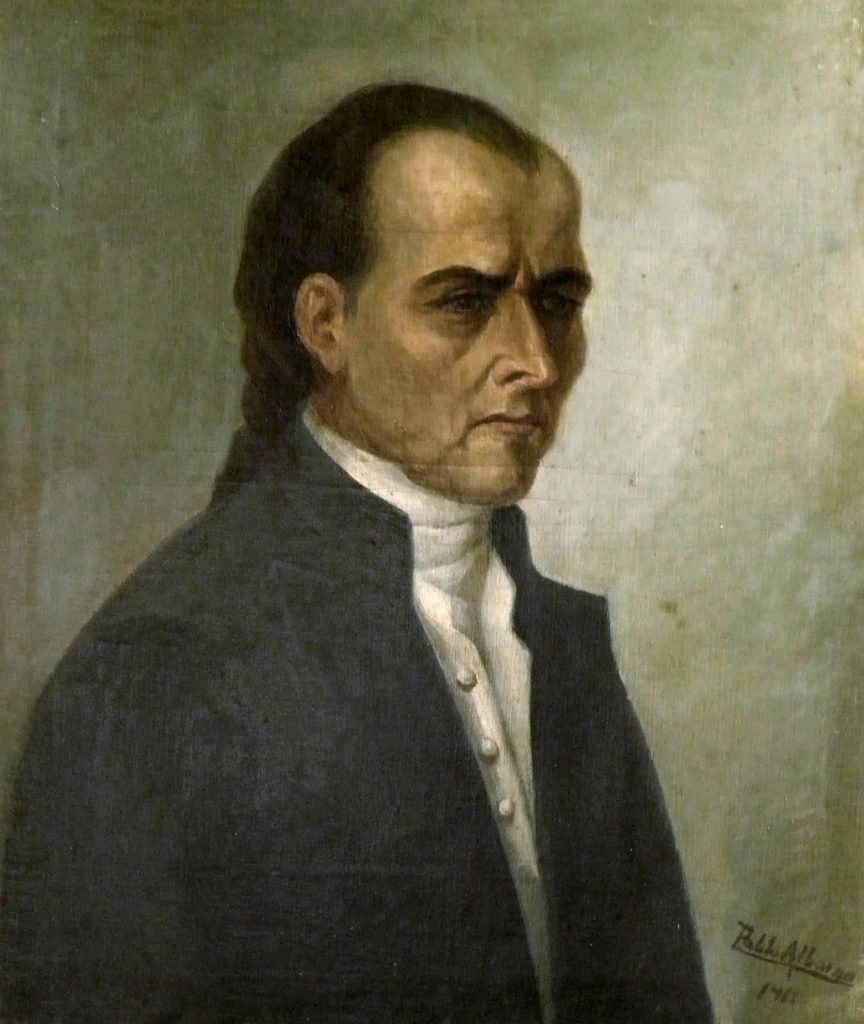
First published in 1974, I, the Supreme stands as Paraguay´s most ambitious and influential literary work. It is often described as the country´s equivalent to Don Quixote. I, the Supreme transcends national borders to become a universal reflection on power, language and identity. Through its complex narrative, the novel reconstructs the voice and mind of José Gaspar Rodríguez de Francia, Paraguay´s first dictator. It blends history with fiction in a way that challenges the reader at every turn.
A novel that redefines power and language
At its core, I, the Supreme is not merely a historical novel. It is an exploration of authority, control and the manipulation of truth. Roa Bastos builds a fragmented, layered narrative in which the dictator speaks, writes, contradicts himself and is, at the same time, questioned by anonymous voices. The result is a text that constantly blurs the line between reality and invention.
This innovative structure places the novel among the most important works of Latin American literature. Much like the literary boom of the 20th century, it experiments with form and perspective, demanding an active reader who must piece together meaning from contradictions and silences. In this sense, I, the Supreme does not simply tell a story; it invites reflection on how stories are constructed.
It was written by Roa Bastos in his exile in Buenos Aires. He was expelled from Paraguay due to his political views and the international prestige that he had gained over the years. Alfredo Stroessner´s dictatorship considered Roa Bastos as a threat and therefore, an enemy of the regime. Ironically, I, the Supreme, with its discourse, talks about another regime: the one of the Paraguayan Supreme Dictator José Gaspar Rodríguez de Francia.
I, the Supreme, a real-fictional novel
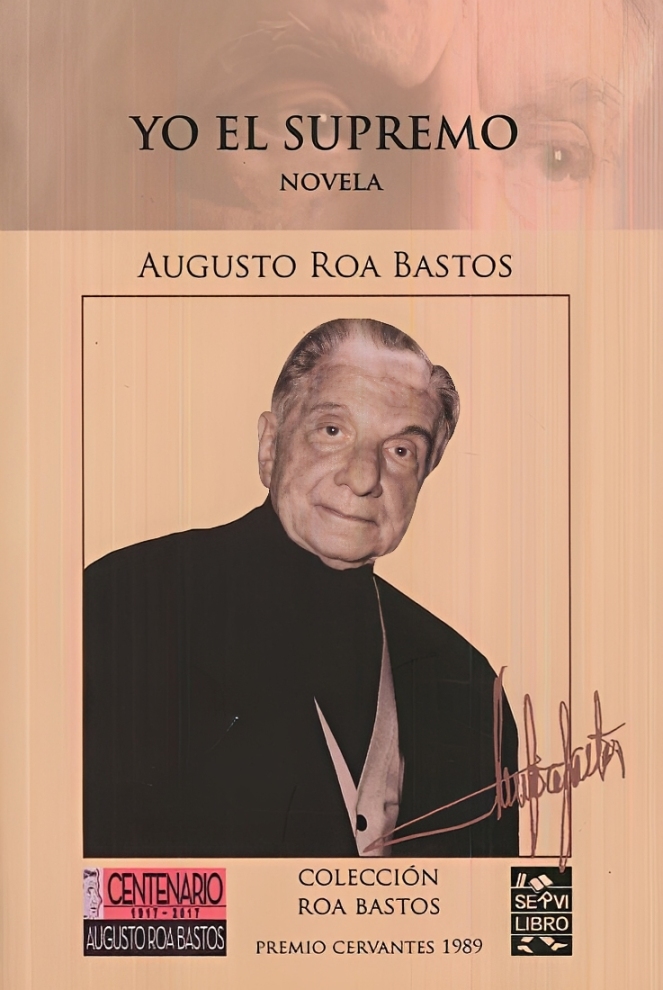
Augusto Roa Bastos spent 5 years gathering real and fictional depictions of the dictator. More than an author, I, the Supreme considers Roa Bastos as compiler or gatherer of the information. It is defined as a “rotoscopic writing”, a mixture of tracing of reality and hallucination, where the character advances his discourse through memory.
José Gaspar Rodríguez de Francia was one of the participants of the Revolution of the 14 and 15 May of 1811 from the Spanish Crown. In fact, he was considered a real scholar among military leaders and priests that also took part in the Revolution. He studied theology and law in Córdoba, Argentina. There he also read the ideas of the Enlightenment, the theory of thought of European philosophers of the time. In 1810, he considered that time of the Spanish Crown in America was gone. After that, the took part in the Revolution and formed part of the first independent governments.
In 1814, he was elected Supreme Dictator of Paraguay. Two years later, he put himself as Perpetual Dictator of the Republic, a dictatorship that lasted 36 years. During this time, he executed his former comrades of the Revolution, isolated the country and installed a regime that persecuted dissidents. Also, during this time, many legends around the Dictator were born; out of fear and paranoia. From this is that Augusto Roa Bastos took inspiration for the real-fictional style of the novel.
Roa Bastos and international recognition
The impact of Augusto Roa Bastos goes far beyond Paraguay. In 1989, he was awarded the Miguel de Cervantes Prize, the most prestigious recognition in Spanish-language literature. This placed him alongside the greatest writers of the Hispanic world and confirmed the global relevance of his work.
His influence was also acknowledged by fellow literary giants. Gabriel García Márquez, one of the leading figures of magical realism, famously praised Roa Bastos by sending him a letter that only said “You, the Supreme”. This gesture highlights the admiration I, the Supreme generated among his contemporaries. Such recognition reflects the novel´s intellectual depth and its place within the broader Latin American canon.
From Paraguay to the world
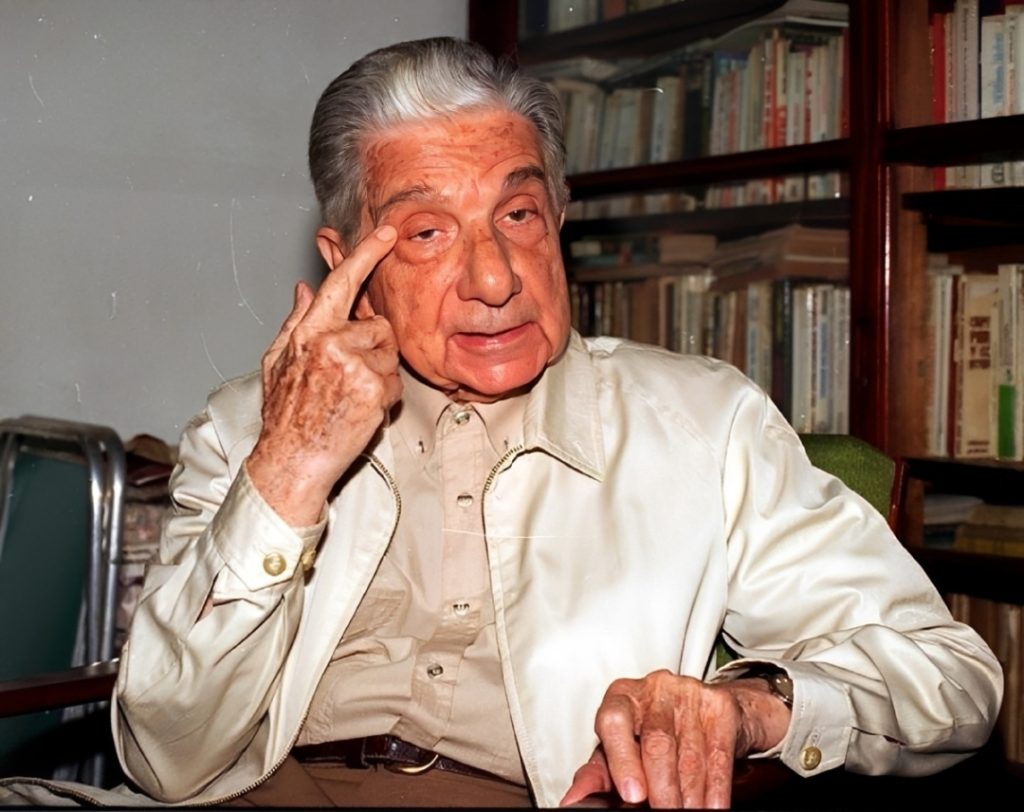
Although deeply rooted in Paraguayan history, I, the Supreme speaks to universal themes. Questions about authoritarianism, freedom of expression and the construction of truth remain relevant across time and geography. This universality has allowed the novel to reach international audiences, including through its English translation in 1986. This made it accessible to readers beyond the Spanish-speaking world.
For many, encountering I, the Supreme is also an entry point into Paraguay´s cultural and historical identity. The novel captures the tensions, contradictions and complexities of a nation while simultaneously engaging with broader philosophical debates.
I, the Supreme and its a lasting legacy
On World Book Day, revisiting I, the Supreme is more than a literary exercise. It is a reminder of the power of books to question authority, preserve memory and inspire critical thought. Roa Bastos´s masterpiece continues to challenge readers, proving that great literature does not age; it evolves with each new interpretation.
In a global celebration of books, Paraguay´s voice resonates through this singular work. I, the Supreme remains not only a national treasure, but also a universal text that stands alongside the greatest novels ever written. It reaffirms literature’s ability to transcend borders and generations.