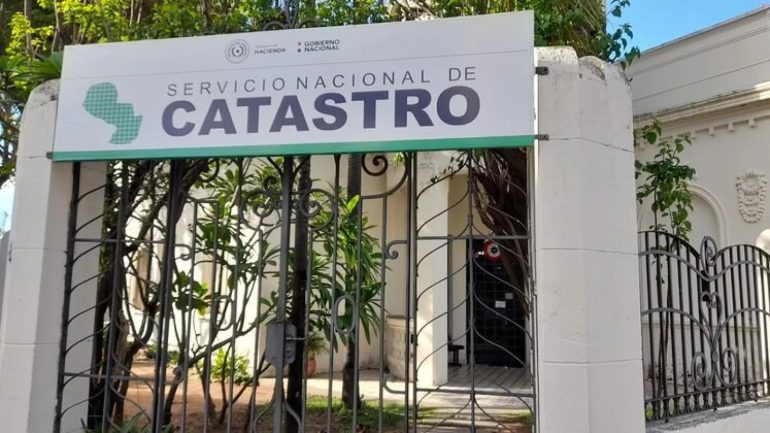

Paraguay has introduced a sweeping transformation to its property registration system. The Unified National Registry of Paraguay (RUN) entered into force on 14 January 2026, consolidating three previously separate institutions into a single digital platform. This represents the most significant overhaul of the nation’s property system in 150 years.
The new system merges the General Directorate of Public Registries, the National Cadastral Service, and the Department of Surveying and Geodesy under the Judicial Power. Paper-based processes have been eliminated entirely, with all procedures, including cadastral certifications, transitioning to exclusively digital transactions.
A centralised hub for property matters
The headquarters is located at Kilometre 5, Avenida Eusebio Ayala, in Asunción, Paraguay’s capital. This centralised office now houses all operations previously scattered across multiple locations. We have transferred all case files to this single venue.

Law 7.424 created the registry with the goal of simplifying administrative procedures and strengthening legal security. By reducing redundancies and delays, the system encourages investment in key sectors like real estate and agriculture.
The Cadastral Exploitation System (SIECA), a digital management platform, became operational in early January to facilitate the transition and accommodate pending cases.
Implementation with a transition period
Although the RUN came into effect on 14 January 2026, a one-year transition period allows institutions to refine operational and regulatory details. Service interruptions occurred during the launch weekend as authorities optimised systems, but operations resumed shortly thereafter.
Gustavo Benítez Soler, president of Paraguay’s National Notaries Guild, confirmed there is no legal margin to postpone implementation. He told local media: “This is in the law. It comes into force on 14 January 2026, and it is impossible to postpone.”
Protecting property priorities during the transition

During meetings between the Notaries Guild and two Supreme Court ministers, one pressing concern emerged: the time required for judicial tax verification. These delays risked eroding the 30-day priority reservation period, a crucial window during which deeds receive legal protection against third-party claims.
Previously, verification could extend five to seven days, threatening the timeline within which notaries must file documents to preserve priority rights.
The Court agreed to a revised procedure to address this challenge. Notaries may now file documents for verification whilst simultaneously entering them into the RUN registry to establish the blocking status. This safeguard prevents competing claims from disrupting property transactions.
“We now enter the deed with the judicial tax to be verified, and before verification concludes, we can already register to create the blocking,” Benítez Soler explained. “This solves one of many obstacles we will face during implementation.”
Establishing dialogue channels
The Supreme Court’s receptiveness to the Guild’s concerns marked a significant moment. Ministers indicated willingness to establish a direct communication channel with the notaries to address problems as they emerge.
Benítez Soler acknowledged that not all issues have been resolved. “This first obstacle is overcome. Things will not be regularised entirely, and we will not have a perfect beginning, but many points remain to be addressed,” he said.
The Unified National Registry of Paraguay’s senior management pledged to issue administrative resolutions during the week following implementation to finalise procedural adjustments.
Building economic confidence through modernisation
Beyond administrative efficiency, the system strengthens legal certainty, a cornerstone for economic development. By offering reliable and current information about properties, the registry fosters confidence in the justice system and attracts investment.
The modernisation also reduces operational costs for public and private institutions, freeing resources for more efficient allocation.
For Paraguay, this transition represents a step toward the digital governance expected in contemporary economies. As the country adapts to increasing digitalisation and citizen demands for accessible services, the system stands as evidence of institutional commitment to transparency and equity.