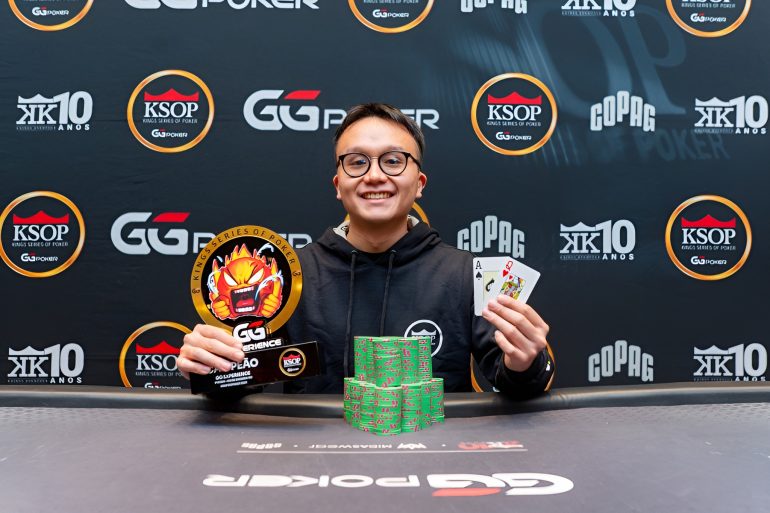

Mateo Tanaka, a 29-year-old Paraguayan living in Brazil, has turned a childhood hobby into a thriving poker career. After years of disciplined online cash-game play, 2025 brought his biggest spotlight yet: a runner-up finish in the GGPoker KSOP Kings Turbo in Rio de Janeiro, a result that put him on the map among Latin America’s rising pros.
Getting into the poker game
Mateo did not dive into poker as a planned career choice. It came into his life quietly, during his teenage years in Paraguay, while sitting around a table with family. Back then, he was still in school, playing casually with his cousins and dad, not motivated by money, but rather drawn to the game’s structure.
“I have always liked strategy games, board games, anything that makes you think,” he remembers. “Poker was just another game I enjoyed. I never thought about making money; it was simply fun for me.”
Few playing opportunities in Paraguay
In Paraguay, playing opportunities were few and far between. Sometimes, Mateo would take part in small tournaments at local casinos, often without enough cash for the buy-in. Other times, the games happened in cozy living rooms, surrounded by friends and family. For him, poker was more about socialising than competition.
“It’s a great excuse to hang out at a table for hours,” he states. “You talk, you connect. I think that is why so many people enjoy poker. It is very social, almost like golf for business folks.”
For a long time, poker was just a passion, not a profession. Mateo went to university to study economics, treating poker as a fun side activity alongside his studies. But gradually, without him really noticing, the game started to anchor something deeper within him.
Poker as a language
When Mateo got ready to move to Brazil, poker evolved into much more than just a game. It became a tool for learning a new language. “I was studying Portuguese for about a year before moving. People often say you should learn a language through something you love. For me, that was poker.”
Brazil, known as a hub for professional poker players, opened up a wealth of resources: blogs, interviews, strategy chats, and educational material, almost all in Portuguese. Mateo dove right in. “I watched videos, read blogs, followed pro players. Poker became the anchor. I was learning the language without even trying.”
He also discovered a thriving professional community that was way more advanced than anything he had seen before. Brazilian players were creating content, sharing knowledge, and building networks. This exposure planted a quiet but significant idea in his mind: maybe poker could be more than just a hobby.
The first leap of faith
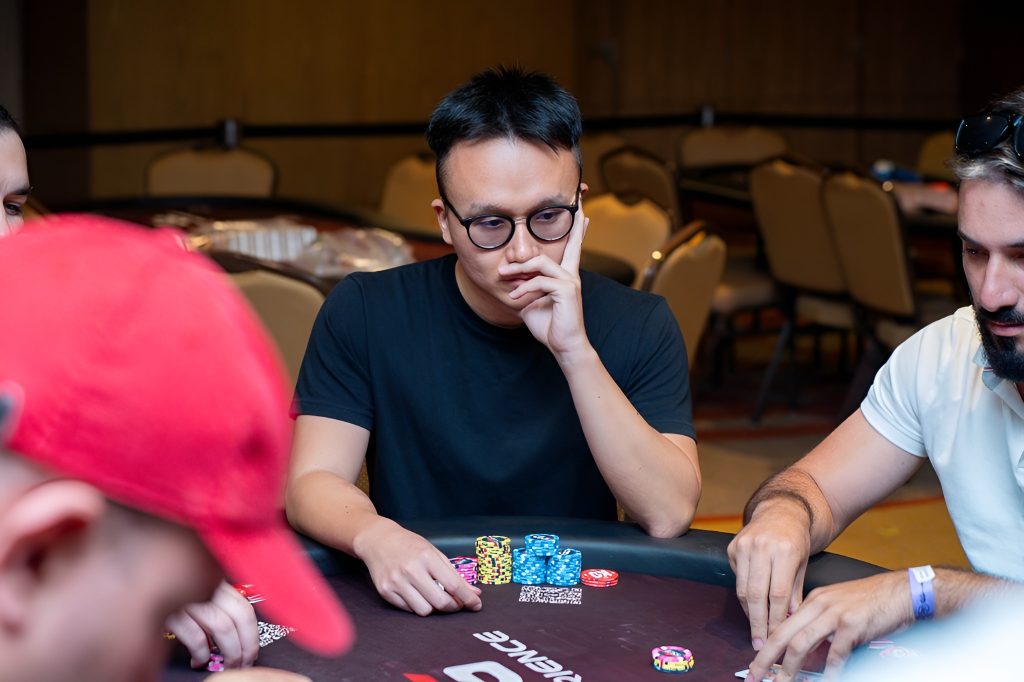
Even before moving to Brazil, Mateo applied for a Coaching for Profits (CFP) program. This setup pairs top-notch pro players with developing ones in exchange for a slice of their future winnings. It is all about mutual trust: coaches offer their time and expertise, while players commit to discipline and growth.
“Honestly, I did not think I would get in,” Mateo admits. “But I had nothing to lose.” To his surprise, he was accepted.
The program offered him coaching, strategic advice, and the initial funds he needed to play. More importantly, it gave him structure and confidence. He kept studying while playing and training, juggling university classes with long online poker sessions. Yet, at that point, full-time professionalism felt like a distant dream. “I was winning a bit, but not enough to live on. And I was not sure if that was my path yet.”
Then came 2020
Like many others, Mateo found his plans turned upside down. University shut down. Travel ground to a halt. The outside world shrunk to just a screen. “Suddenly, I could not do anything else. So I played poker. And I studied.” Mateo played, analyzed, learned, and gradually worked his way up the ranks. Yet, turning pro still felt just out of reach.
With little expectation, he applied to another CFP program, this one based in the U.S. “I was just a Paraguayan guy applying from Brazil. I did not think it would lead to much.” Once again, he got accepted. This time, everything sped up. The program utilized massive databases, population studies, and refined strategies focused on long-term success rather than quick wins. In a short while, poker went from a dream to his actual profession.
The reality of the long game
Mateo has now spent five years as a professional poker player. He is candid about the less glamorous aspects of the game. “In poker, you will have months where you lose money. Months when nothing seems to go your way. Losing hurts way more than you would think. And psychologically, it is tough to invest in something you are passionate about and feel like youa re failing.”
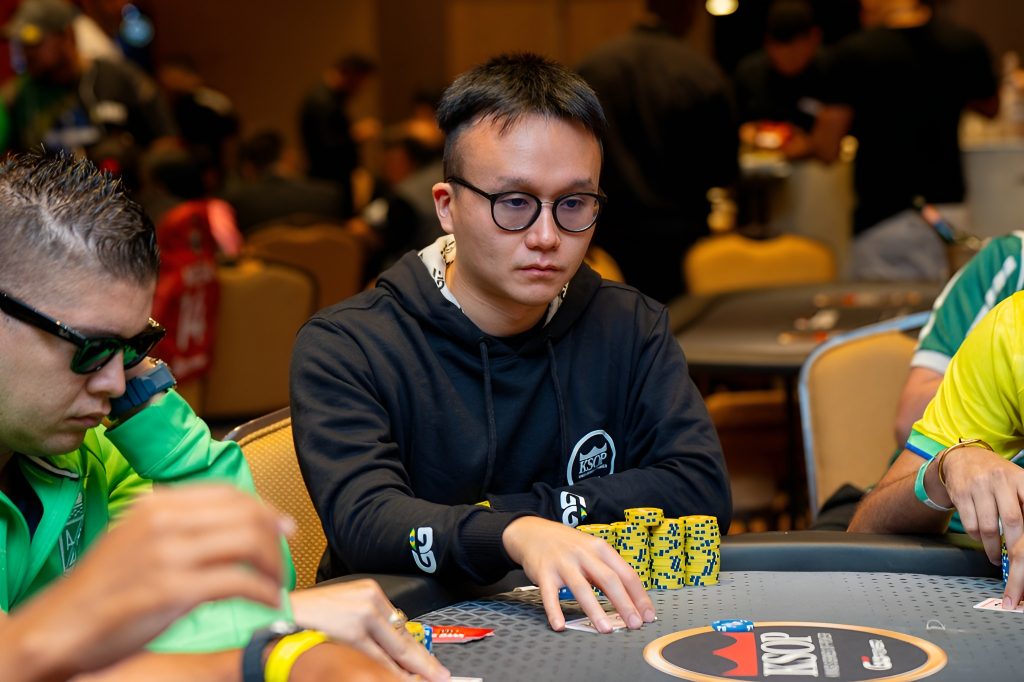
There is also the social stigma. “A lot of misunderstanding still surrounds poker. Sometimes, I skip explaining what I do. If I know I won’t see the person again, I just tell them I’m an economist. It is easier and not a lie.”
His family, however, gets it. His father, a poker lover himself, never found it hard to accept Mateo’s choice. His mother, after watching him chase music and other unconventional paths, understood long ago that her son was not destined for a traditional route.
Why cash games?
After focusing on tournaments for years, Mateo switched to cash games, a decision influenced by both his personality and strategy. “In tournaments, you lose more often than you win,” he points out. “Only about fifteen per cent of tournament players see any payout. It can take a while for results to show.”
In cash games, though, there is more stability and structure. Players can join and leave as they like, playing with consistent chip stacks, and clear expectations. “They are more standardised. You play under similar conditions almost every time. For me, that just works better.”
The transition also resonated with his outlook on life. “Poker teaches you to deal with variance. Things do not always go as planned in the short term. And that applies to everything in life.”
Advice from the table
Despite the serious nature of professional play, Mateo believes enjoyment is crucial. When asked what advice he woud give to someone stepping into a poker tournament for the first time, his response is straightforward: “For anyone playing a tournament for the first time, I always say to take your time making decisions, ask questions if you are unsure, and enjoy it. That is the most important part.”
This advice reflects not just how Mateo approaches poker, but life itself: patiently, thoughtfully, and with respect for the journey.
Poker taught him that progress is rarely immediate and never linear. It rewarded resilience, punished impatience, and favoured those willing to think beyond the present moment. For a Paraguayan player building his future far from home, that philosophy continues to guide every stage of his career.
Shuffle up and deal!
The Asunción Times is bringing the cards to the table with its first-ever Grand Poker Tournament, in partnership with Casino de Asunción. On Sunday, 14 December 2025 at 14:00, beginners, regulars, and the simply curious are all welcome to take a seat and play.
With a buy-in of Gs. 500,000, prizes will go to the top 15 per cent of players, keeping the competition exciting and the atmosphere friendly. Bring your friends, bring your family, or just bring your best poker face. Whether you play or cheer from the sidelines, you will be part of a memorable day. One player will walk away as first The Asunción Times Poker Champion!