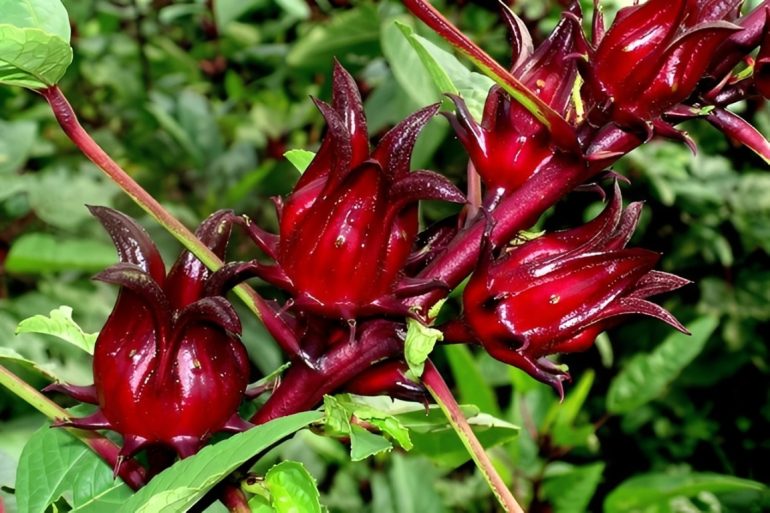

Paraguayan researchers are drawing attention to the untapped potential of roselle, a tropical plant known for its nutritional and medicinal properties. Scientists believe the crop could offer new economic opportunities for farmers while diversifying the country’s agricultural production.
Roselle, scientifically known as Hibiscus sabdariffa, is popularly called “flor de Jamaica” across Latin America. While it has long been recognised in Paraguay, its cultivation has remained limited, mostly confined to small plots. New research led by specialists from the National University of Asunción (UNA) now suggests the plant could become a promising alternative crop with both domestic and export potential.
Local research explores roselle’s potential
The studies are being conducted by agronomist Antonio Samudio, a researcher at the Multidisciplinary Centre for Technological Research (CEMIT) of UNA. Samudio is also part of Paraguay’s National System of Researchers (SISNI), which operates under the National Council of Science and Technology (CONACYT). The project is carried out in collaboration with agronomist Oscar Vega Alvarenga from the Faculty of Agrarian Sciences at UNA.
According to the researchers, early findings indicate that roselle adapts well to Paraguay’s climate and soil conditions. This adaptability could allow the crop to expand beyond small-scale cultivation and develop into a viable agricultural product. Scientists are currently analysing different varieties of the plant and collecting data on agronomic performance, crop yields, and nutritional composition. The aim is to build a stronger scientific foundation that could support larger-scale cultivation and encourage agro-industrial use.
Roselle: food ingredient to natural health products
Roselle is widely valued for its bright red calyces, which are commonly used in beverages and traditional foods. The plant is particularly popular for herbal infusions, juices, jams, jellies, and sauces. Its intense natural colour also makes it useful as a food colouring agent.
Beyond its culinary uses, roselle has attracted growing international interest for its health benefits. Various studies have highlighted its antioxidant properties as well as its potential digestive and antihypertensive effects. These characteristics have led to its incorporation into nutritional supplements and functional foods aimed at supporting cardiovascular health.
The plant also has a presence in the cosmetics sector. Extracts from roselle are used in creams, lotions, and soaps, especially within natural cosmetic product lines.
Research expanding in Paraguay
In Paraguay, research on roselle is still developing but gaining momentum. Much of the work is being carried out by the BIOPROAVA research group, which includes specialists from CEMIT and the Faculty of Agrarian Sciences’ Santa Rosa campus in the department of Misiones.
Their studies examine several aspects of the plant, including its antioxidant capacity, antimicrobial properties, and its adaptation to local environmental conditions. Researchers are also working to identify and characterise the roselle varieties currently present in Paraguay. The scientific work has already produced academic results, including undergraduate and postgraduate theses, conference presentations, and publications in specialised journals.
Opportunities for small farmers
Researchers believe roselle cultivation could offer significant benefits for rural communities. The plant is considered hardy and relatively easy to grow, with a low incidence of pests and diseases. Roselle also requires relatively little water compared with many other crops, which could be advantageous in regions where water availability is limited. After the red calyces are harvested, the remaining parts of the plant can also be used as feed for farm animals. At the same time, the flowers attract bees, providing an additional benefit for beekeeping activities.
A crop with room to grow
Despite its potential, researchers say there is still limited public awareness about roselle in Paraguay. Many people recognise the plant, but knowledge about its agricultural management and industrial applications remains relatively scarce.
For that reason, scientists emphasise the importance of continuing research and expanding access to scientific information. Training programmes, technology transfer, and stronger links between researchers, farmers, and industry will be essential to fully develop the crop.
The potential of roselle cultivation also aligns with the broader growth of family agriculture in the country, as initiatives such as the Paraguayan farming fairs, which generated record revenues in 2025, continue to create new marketing opportunities for small producers.