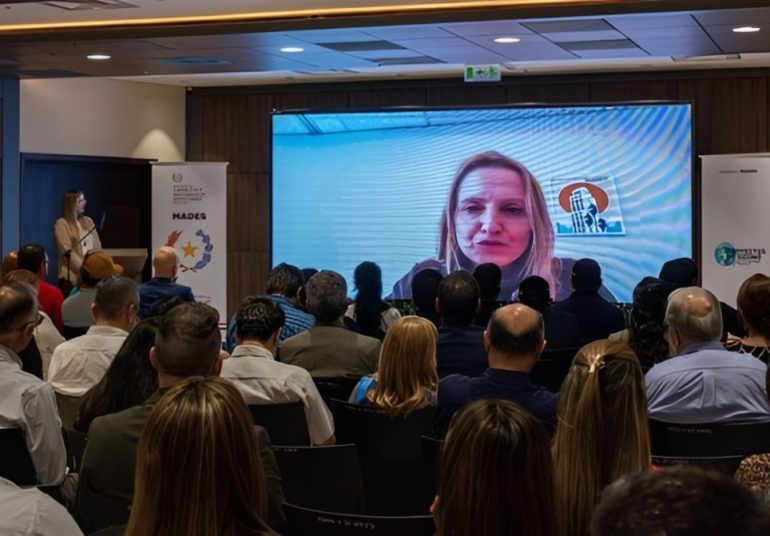

Paraguay has taken a new step in its climate action strategy, with the launch of a national plan. This Kigali plan aims at significantly reducing greenhouse gas emissions linked to hydrofluorocarbons (HFCs). The initiative aligns the country with international environmental comments. It also promotes a transition toward cleaner and more energy-efficient technologies.
The project represents a key milestone in Paraguay´s broader environmental agenda. By reinforcing efforts to mitigate climate change, protect the ozone layer and strengthen institutional capacities. Authorities describe the plan as both an environmental and development strategy, combining regulatory reform, technical training and technological modernization.
Kigali Implementation Plan: Phase I
The initiative is titled “Kigali Implementation Plan for Hydrofluorocarbons (HFC) in Paraguay – Stage I” (KIP I). This plan seeks to progressively reduce the consumption of high global warming potential refrigerants by 85% by 2040.
The project operates within the framework of the Montreal Protocol and its Kigali Amendment. This project requires the participating countries to phase down HFCs, due to their significant contribution to global warming.
Coordination of the plan is led by the Ministry of Environment and Sustainable Development (MADES), through its Directorate General of Air and Ozone Department. Also, with support from the United Nations Development Programme (UNDP).
Focus on refrigeration and air conditioning
One of the central pillars of the project is the refrigeration and air conditioning sector, a major user of HFCs. The plan promotes a transition towards alternative technologies that feature low or zero global warming potential (GWP). This while maintaining high energy efficiency standards.
Among the main actions outlined are: Technical training programs to ensure the safe handling and management of new refrigerant technologies. Strengthening and updating regulatory frameworks. This is to improve the control and monitoring of greenhouse gases. And last, they encourage the adoption of climate-friendly alternatives across relevant industries.
The project combines capacity-building efforts with regulatory modernization. The plan aims to facilitate a structure and economically viable transition for businesses and technicians operating in these sectors.
A plan that aligns with national climate goals
The HFC Reduction Plan is also integrated into Paraguay´s broader climate strategy. It complements sectoral mitigation plans through 2030. Particularly, within the Industrial Processes and Product Use (IPPU) sector. Also, it supports the country´s Third Nationally Determined Contribution. (NDC 3.0).
Through this initiative, Paraguay reaffirms its commitment to international climate agreements while advancing domestic environmental protection goals. Officials stress that beyond emission reductions, the project strengthens technical and institutional capacities. Also, contributes to public health, sustainable development and long-term climate resilience.
With the launch of KIP I, Paraguay positions itself on a clear path toward meeting its 2040 HFC reduction target and reinforces the country´s role in global climate action.
Learn more about Carbon Credits by MADES in The Asunción Times‘ article Paraguay Secures More Than US$10 Million Through Carbon Credits.