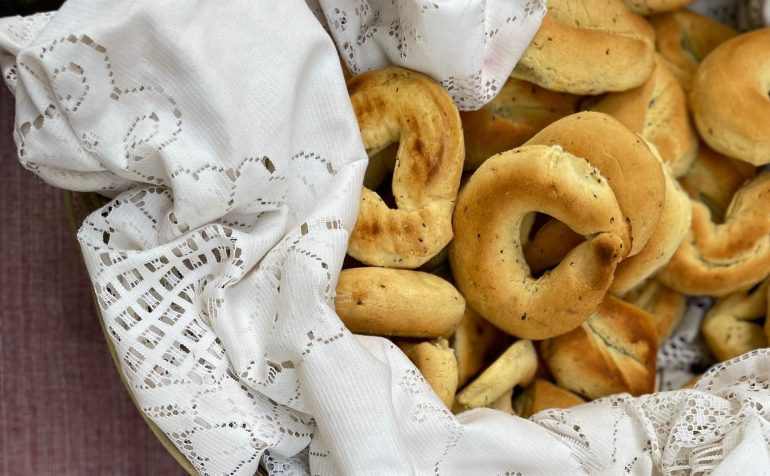

The Paraguayan government has officially launched bids for two of its most cherished cultural traditions to be recognised awarded UNESCO heritage status. The National Secretariat of Culture announced the candidacies for chipa, a traditional savoury bread, and the practice of creating the pesebre, or nativity scene. The goal is for both to be added to the Representative List of the Intangible Cultural Heritage of Humanity.
A landmark multinational nomination
The nomination for the pesebre marks a historic moment for Paraguay. It is the country’s first-ever multinational submission, undertaken in partnership with Spain and Italy. This collaborative approach highlights the shared cultural roots and religious traditions that connect the three nations, particularly during the Christmas season. The joint effort aims to strengthen the bid by demonstrating the tradition’s widespread significance and enduring legacy across different countries.
Minister of Culture Adriana Ortiz emphasised the importance of these initiatives for national pride and cultural education. “It is fundamental that the citizenry appropriates its living culture and that those who do not yet know it continue to learn in depth about the richness of Paraguay,” she said.
The minister’s statement underscores the government’s belief that such international recognition can foster a greater appreciation for local customs, both within Paraguay and abroad.
UNESCO heritage status
The two candidacies highlight distinct but equally important aspects of Paraguayan life. Chipa is a beloved staple food, a cheese and cornflour bread that is integral to daily life and especially prominent during religious festivities like Holy Week. Its preparation is often a communal activity, passing down recipes and techniques through generations. Recognition by UNESCO would honour the culinary artistry and social bonding associated with this food.
The tradition of the pesebre is a central element of Christmas celebrations throughout the country. Families meticulously construct elaborate nativity scenes in their homes and public spaces, often incorporating local flora and artistic elements. This practice is not merely decorative but is a profound expression of faith and community, bringing people together to share in the festive spirit.
Progress on other cultural fronts
The meeting also served as an occasion to celebrate other cultural achievements. Attendees acknowledged the recent declaration of the art of Ñai’ũpo (a traditional pottery art) to UNESCO’s List of Urgent Safeguarding. This recognition is vital for protecting the craft from disappearing. Several artisans were present to represent their communities, including Vicenta Rodríguez, Elena Dielma of Kambuchi Apo, and Leidy Esquivel from the San Rafael Association of Tobatí.
Furthermore, an executive report was presented on the Safeguarding Plan for the Poncho Para’i de 60 Listas, a highly intricate and culturally significant handcrafted poncho. Officials noted that the candidacy for the Frazada de Trapo (rag blanket) has also made significant progress. These efforts demonstrate a comprehensive strategy to protect Paraguay’s diverse artisanal heritage.
A wider cultural promotion
Beyond the UNESCO bids, the National Commission for the Commemoration of the National Year of the Guarania presented its report for 2025. This body, which operates under the Ministry of Culture, detailed a programme of 150 cultural activities planned both within Paraguay and internationally.
Established in 2003, the UNESCO Representative List of the Intangible Cultural Heritage of Humanity aims to ensure the safeguarding of important traditions, oral expressions, performing arts, social practices, rituals, and craftsmanship worldwide. Inclusion on this list not only brings international prestige but also helps to mobilise resources and attention for the preservation of these cultural practices, ensuring they are passed on to future generations.