
After Paraguay has begun its first-ever dengue fever vaccination campaign in November 2025, and with suspected dengue cases increasing, the country’s health authorities are emphasising the importance of daily preventive actions. The Ministry of Public Health reports an average of 395 suspected cases per week across 11 departments, including Asunción, Central, San Pedro, Cordillera, and Paraguarí.
Daily precautions are key to reducing the risk of dengue in Paraguay. The recent detection of dengue serotype 3 (DENV-3) in the city of Areguá underscores the need for consistent vigilance at home, and in communities.
Understanding dengue and related diseases
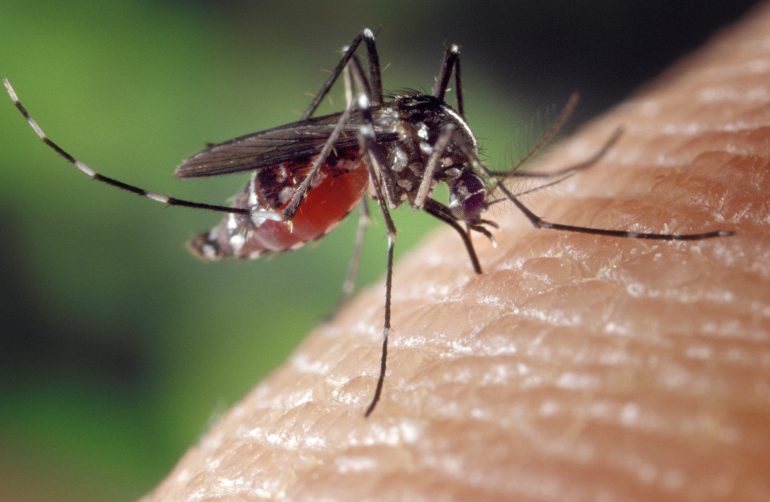
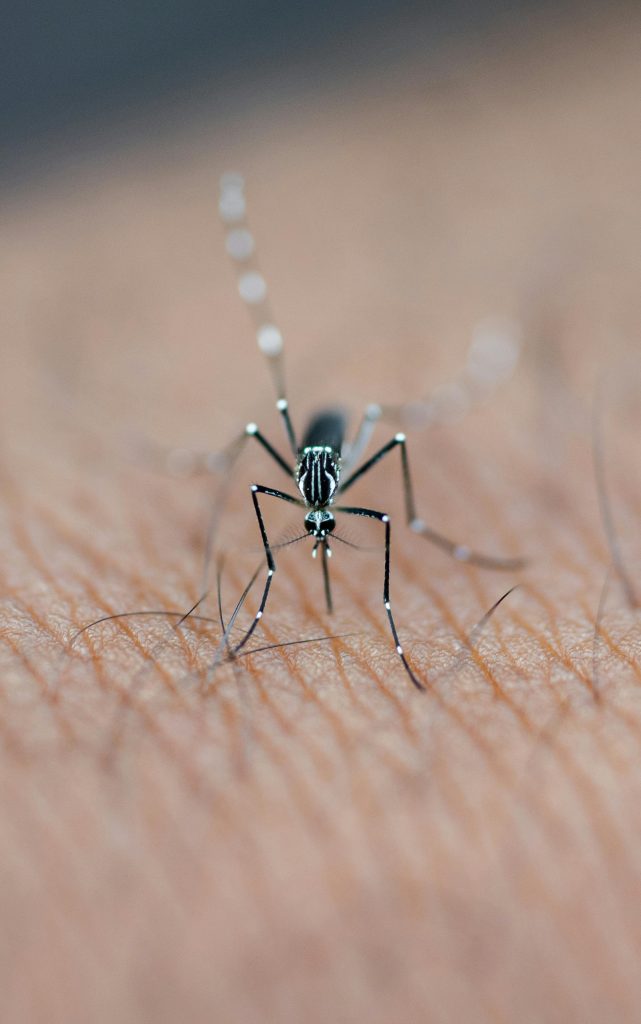
Three diseases pose the primary risk in Paraguay: dengue, chikungunya, and zika. All are transmitted by the Aedes aegypti mosquito, which thrives in urban environments, and breeds in small amounts of stagnant water.
Dengue fever: Causes sudden high fever lasting two to seven days, severe headaches, pain behind the eyes, muscle and joint pain, and skin rashes. Whilst most infections are mild, the disease can progress to severe forms with bleeding, organ damage, and shock. A second infection with a different serotype typically causes more severe illness than the first.
Chikungunya: Causes sudden high fever with severe joint pain that can persist for months or years. Paraguay experienced a major outbreak in 2022-2023, with over 81,000 suspected cases. Recent studies suggest 37% of Paraguay’s population may have been exposed to the virus. The 2025 surveillance data shows 51 Chikungunya cases registered so far this year.
Zika: Typically causes milder symptoms but poses severe risks to pregnant women, as the virus is associated with birth defects including microcephaly. Paraguay has not reported any zika cases in 2025, though authorities remain vigilant.
The mosquito: The Aedes aegypti bites throughout the day, with peak activity at dawn and dusk. These mosquitoes live inside homes and shady outdoor areas, typically remaining within 100 metres of where they hatched.
Daily dengue prevention in Paraguay
The Aedes aegypti lays eggs in containers holding water. Daily inspections are essential, especially after rainfall.
Discard objects that collect water, including bottle caps, containers, and broken items. Tyres and other objects that cannot be discarded should be stored under a roof or covered. Change water in flower vases daily and clean stems and roots thoroughly. Water tanks and barrels must have tight-fitting lids. Swimming pools should be brushed regularly and properly chlorinated.
Fumigation reduces adult mosquitoes temporarily but does not affect eggs or larvae. The most effective dengue Paraguay strategy is consistent elimination of breeding sites combined with personal protection.
Protecting yourself
Wear light-coloured, long-sleeved clothing and long trousers. Apply DEET-based insect repellent at least three times daily on exposed skin. Repellent is safe for children from two months old. Install window and door screens. Use mosquito nets over beds, especially for infants and young children.
Recognising symptoms and seeking care

Seek medical attention at the first sign of fever or other symptoms. Avoid self-medicating with aspirin or ibuprofen, which increase bleeding risks in dengue.
Warning signs requiring urgent care include severe abdominal pain, persistent vomiting, bleeding from gums or nose, blood in vomit or stools, extreme fatigue, difficulty breathing, and cold or clammy skin. The critical phase usually begins when fever subsides, typically between days three and seven.
If diagnosed, rest under a mosquito net and continue using repellent. Drink plenty of fluids. Avoid travelling until fully recovered. Pregnant women should use repellent daily, wear protective clothing, and use condoms to prevent sexual transmission of zika. Seek medical advice immediately if fever or rash develops.
Advice for international visitors
Dengue is endemic in Paraguay, so precautions are essential. Bring DEET-based repellent, light-coloured clothing, and mosquito nets if needed. Stay in accommodations with screens or air conditioning. Remove standing water around lodging.
Major hospitals in Asunción are experienced in treating severe cases. Visitors developing fever, headache, joint pain, or rash during or after travel should seek medical care immediately. Inform healthcare providers about recent travel. Symptoms may appear up to two weeks after exposure.
Daily action matters
Dr. Andrea Ojeda, head of the General Directorate of Health Surveillance, emphasises that daily elimination of mosquito breeding sites is the most effective protection. After DENV-3 was detected in Areguá, more than 1,200 breeding sites were neutralised.
Health authorities urge everyone to follow three daily steps: remove standing water, use repellent and protective clothing, and seek medical attention promptly if symptoms appear. Consistent practice of these steps can greatly reduce the risk of mosquito-borne diseases in Paraguay.
While Paraguay has launched its first dengue vaccination campaign for children aged six to eight years, daily preventive measures remain essential for all residents and visitors. Vaccination and mosquito control together offer the best protection against severe dengue and related illnesses.
For the latest information, consult the Ministry of Public Health. In emergencies, seek immediate medical care at the nearest health facility.