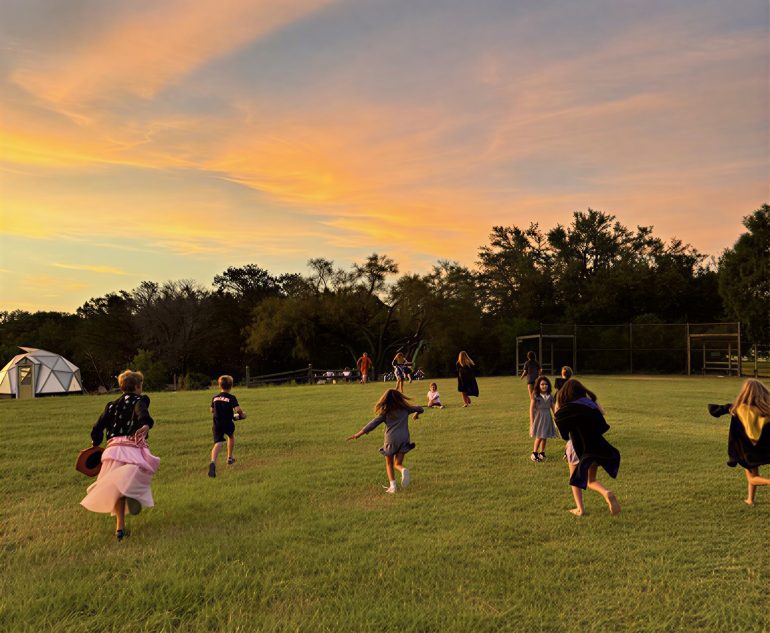

Families considering relocation to Paraguay often prioritise one key question: What is it like to raise children there?
Many people regard Paraguay as a family-oriented country with strong community ties, an outdoor lifestyle, and a relatively affordable cost of living. While experiences vary, many newcomers find the country welcoming and well suited to family life. Understanding several aspects of daily life can help families adapt more easily and make informed decisions before moving.
Education options
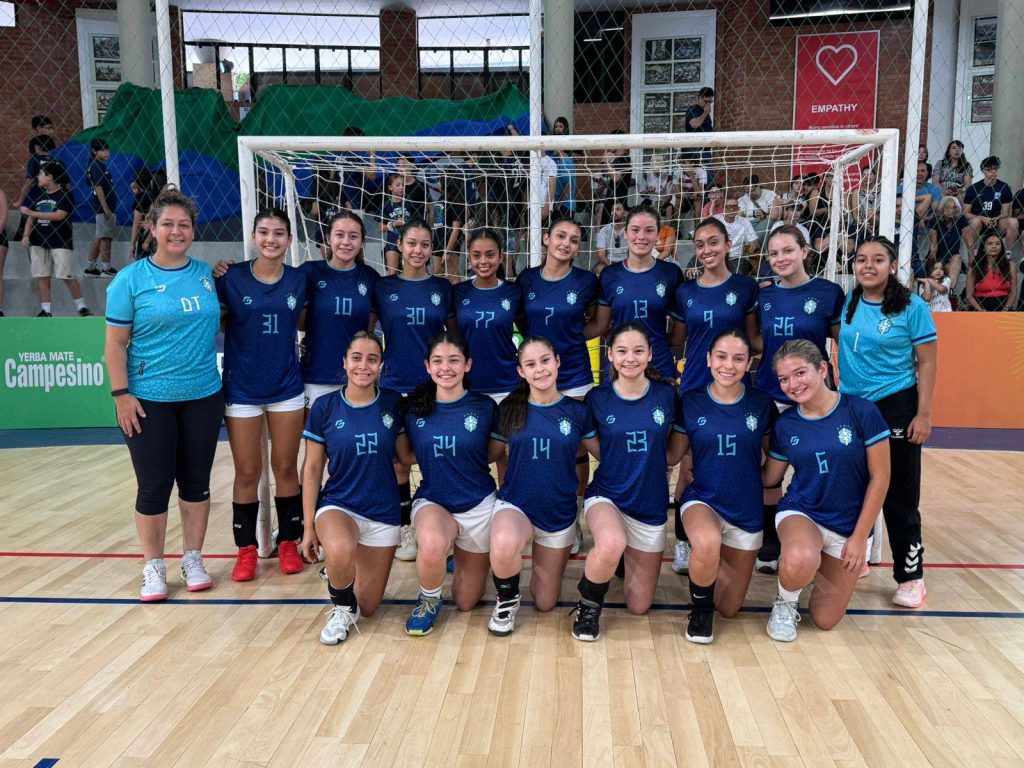
Schooling is typically the first concern for relocating families. In Paraguay, particularly in Asunción and the surrounding metropolitan area, families can choose from public schools, private national institutions, bilingual schools, and international schools offering diverse curricula and fee structures.
Many private schools provide bilingual Spanish–English programmes, while international institutions may follow American, British, or International Baccalaureate systems. Newcomer families often select schools that balance Spanish immersion with strong English instruction, enabling children to integrate locally while maintaining academic continuity.
School communities are generally close-knit and socially active. Events, sports activities, and parental involvement play a significant role in student life, helping newcomer families build social networks more quickly.
Cost of raising children
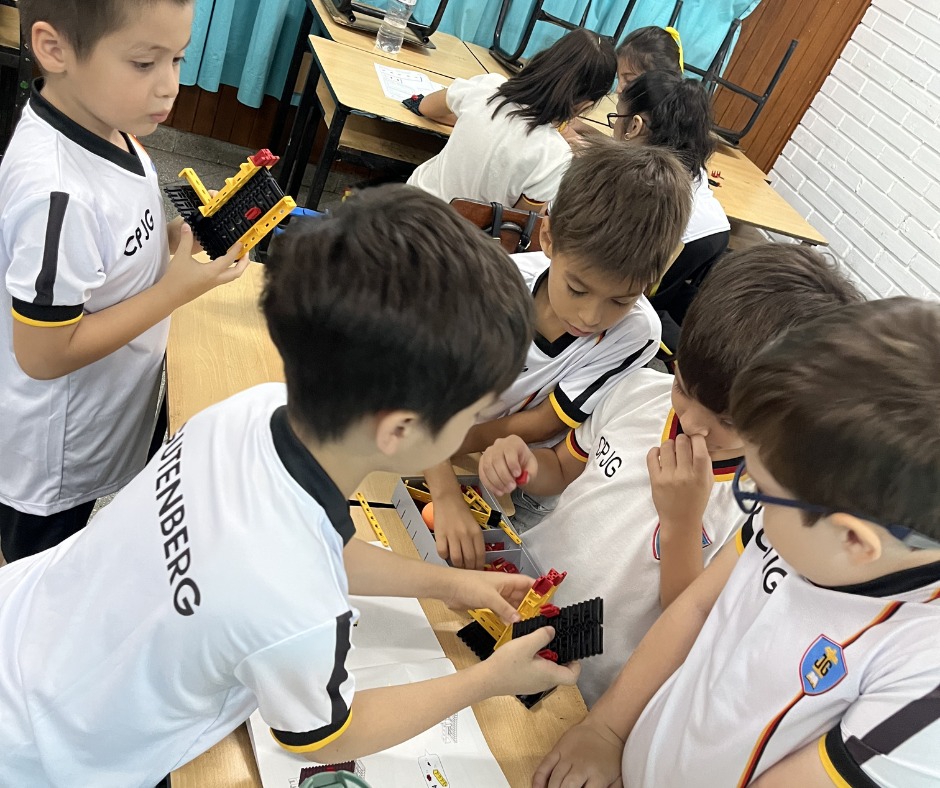
Compared with many countries in North America and Europe, Paraguay offers a significantly lower cost of living, which can make raising children more affordable.
Private school tuition varies, but many institutions remain less expensive than comparable options abroad. Extracurricular activities such as sports, music lessons, and tutoring are typically accessible. Childcare and domestic assistance are also more common than in many countries, which can help working parents manage daily responsibilities.
Community and family life
Paraguayan society places strong emphasis on family and social relationships. Children are closely integrated into extended family life, with grandparents, relatives, and family friends often participating in daily routines.
For newcomers, this environment can provide a welcome contrast to more individualistic lifestyles. Neighbours often know one another well, children regularly play outdoors together, and families frequently gather for meals and celebrations.
Social events such as birthdays, school functions, and weekend gatherings commonly involve large groups, reinforcing a sense of inclusion and belonging.
Outdoor lifestyle
Paraguay’s climate and culture encourage outdoor living, particularly outside the peak summer heat. Parks, plazas, and riverside areas serve as common meeting places for families.
Children frequently spend time cycling, playing football, and engaging in outdoor activities. Weekends often include countryside visits, trips to family homes, or social gatherings centred around tereré, the traditional cold herbal drink that plays an important role in Paraguayan social culture.
For newcomer families, this lifestyle can promote a healthy balance between academic responsibilities, screen time, and physical activity.
Cultural differences in parenting and daily life
Newcomers may observe differences in parenting styles and daily routines. Paraguayan culture values warmth, close family bonds, and frequent social interaction.
Children are commonly included in adult gatherings, and social activities tend to involve all age groups rather than being age-segmented.
Flexibility with time may also require adjustment. Social events and school activities sometimes begin later than scheduled, and daily routines can feel more relaxed. Many families gradually adapt to this rhythm as part of embracing local life.
Respect for teachers and active parental involvement in education remain important cultural values.
A family-centred lifestyle
One of Paraguay’s most distinctive strengths is its deeply rooted family-oriented culture. Children are welcomed in most social settings, and family relationships are highly valued.
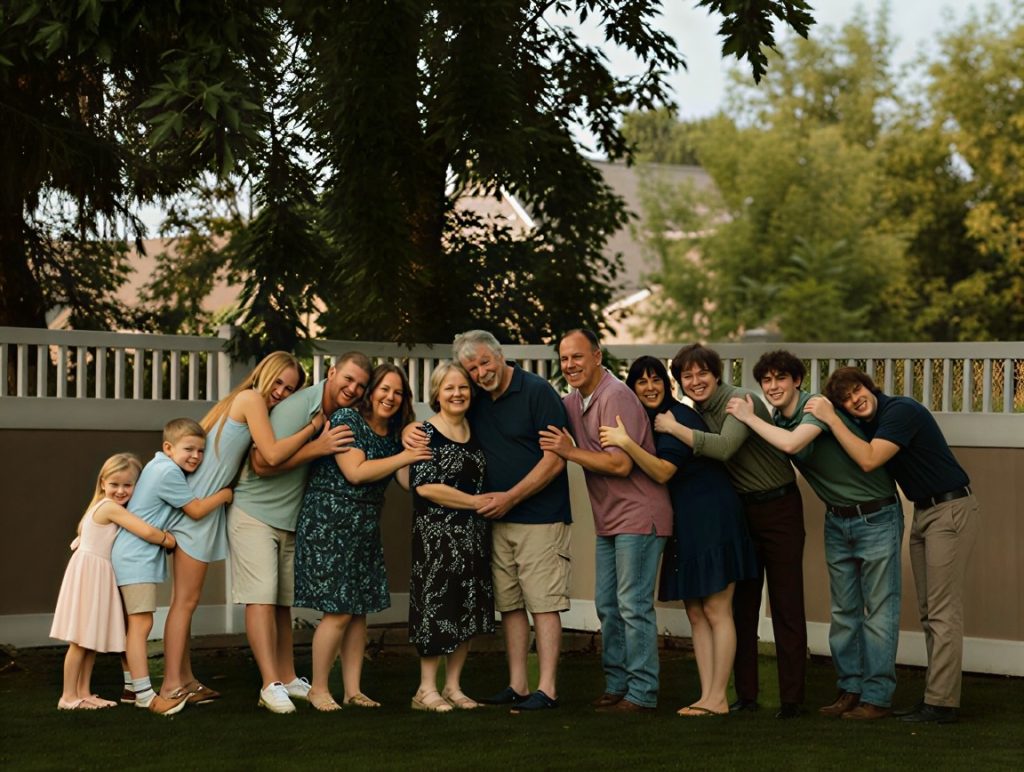
Although relocation always requires adjustment, many newcomer families find that raising children in Paraguay offers strong community support, meaningful social connections, and an enriching environment for childhood development.
Over time, families often develop a deep sense of belonging that strengthens their experience of life in the country.