
Street food is not merely a convenience in Paraguay. It forms part of the rhythm of daily life. From early mornings in Asunción to late nights after a celebration, Paraguayans eat with purpose and tradition. These are Paraguay’s street food icons.
Paraguay’s breakfast classic
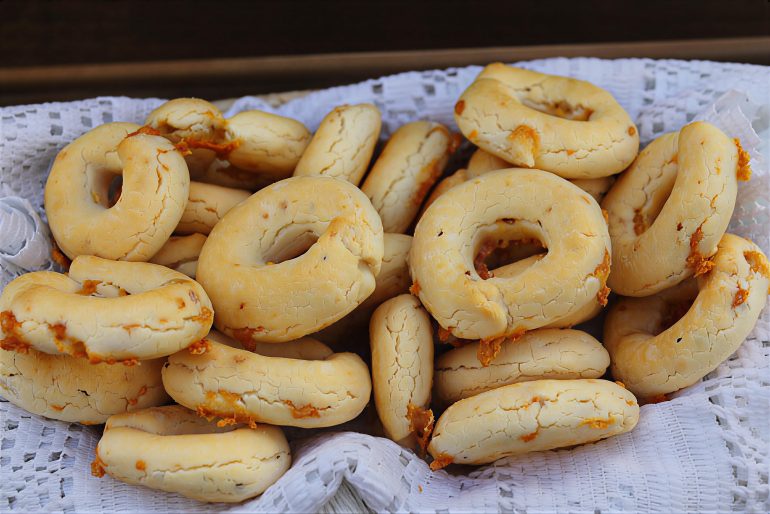
Before the city wakes fully, the first smell to drift through neighbourhoods is chipa, a golden, ring-shaped bread made from manioc starch, cheese, eggs, and anise. Vendors carry baskets lined with red cloth, keeping the chipas warm and soft.
For many Paraguayans, chipa is not simply breakfast, it is comfort. It is what one grabs on the way to work, what children eat before school, and what one shares with a stranger on a long bus journey. A warm cup of cocido or a bottle of hot maté often completes the scene.
Empanadas anytime, anywhere
Empanadas are the solution whenever hunger appears. This dish is eaten all day in Paraguay. Empanadas are a universal snack, light enough for mid-morning, filling enough for lunch, and enjoyable with tereré later in the afternoon.
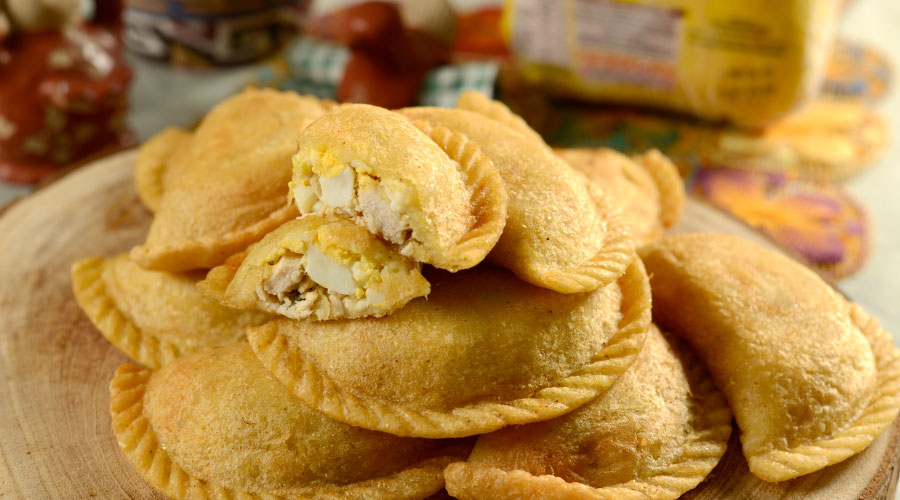
They may be made with beef, chicken, ham and cheese, or the beloved pastel mandi’ó, a type of empanada highly representative of Paraguayan cuisine, made with a dough of manioc and typically filled with seasoned beef. Its shape is very similar to that of classic empanadas, and it is usually served with a spicy sauce that enhances its flavour.
Empanadas in Paraguay are part of everyday life. They are often enjoyed with bread, which may surprise visitors. It is a traditional custom that makes the combination more filling and affordable, as the bread absorbs the excess oil of fried empanadas. This practice is closely tied to tereré rupa, a Paraguayan tradition meaning “the bed of the tereré.” It refers to eating a small salty snack, often an empanada or even an empanada inside bread, before drinking tereré, so the stomach is not empty. It is a cultural ritual as much as it is a practical habit.
In short, empanadas are not merely food in Paraguay, they are habit, comfort, and tradition.
The milanesa sandwich
Cheap, generous, and easy to find, the sandwich de milanesa is the go-to option for students, workers, and anyone looking for a satisfying bite on the move.

A thin cutlet of beef or chicken is breaded and fried until golden and crisp, then placed inside soft bread with simple toppings: lettuce, tomato, and a touch of mayonnaise. Some add cheese, fried egg, or hot sauce, but even in its simplest form, the milanesa sandwich delivers pure comfort.
For many Paraguayans, it brings back memories of buying one in the middle of the day at work, sharing during football matches, or grabbing one while travelling. Affordable and everywhere, the sandwich de milanesa is a true street food classic. One bite and one will understand why it never goes out of style.
Asado, the night-time favourite
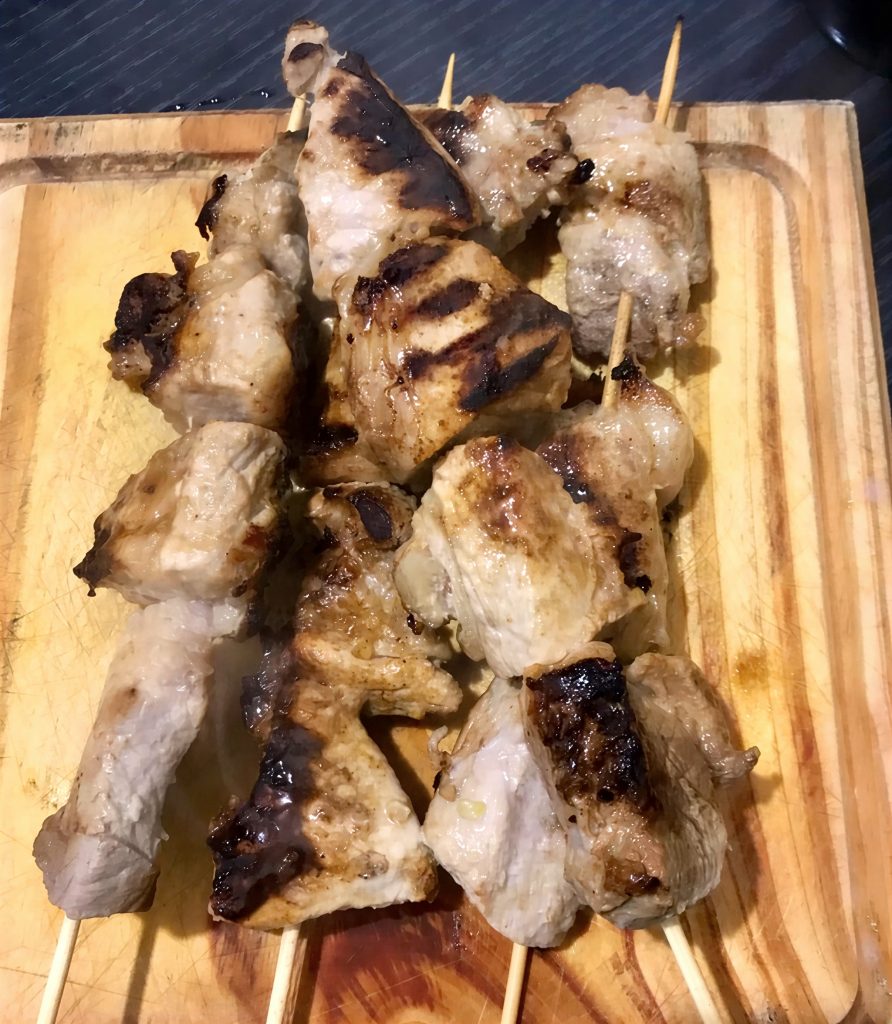
If chipa is the taste of the morning, and empanadas are the taste of midday, asado, better known as asadito, is the unmistakable flavour of Paraguayan nights. Found on street corners, outside concerts, football stadiums, and along busy avenues, asadito is the smoky, sizzling heartbeat of late-night food culture.
A stick of seasoned beef, pork, or chicken is grilled over charcoal, giving it that distinct aroma recognisable from a block away. Vendors brush it with lime, sprinkle coarse salt, and hand it over on skewer sticks, ready to be eaten standing up.
Asadito is a ritual of nightlife. It is what people eat on the way home, what keeps conversations going at three in the morning. It is simple, rustic, and deeply Paraguayan.
Lomito: Paraguay’s late-night ritual
Lomito is another one of Paraguay’s street food icoms: A full meal tucked inside bread, a perfect mix of indulgence and craft. Lomitos are bigger, juicier, and more elaborate than most street snacks.
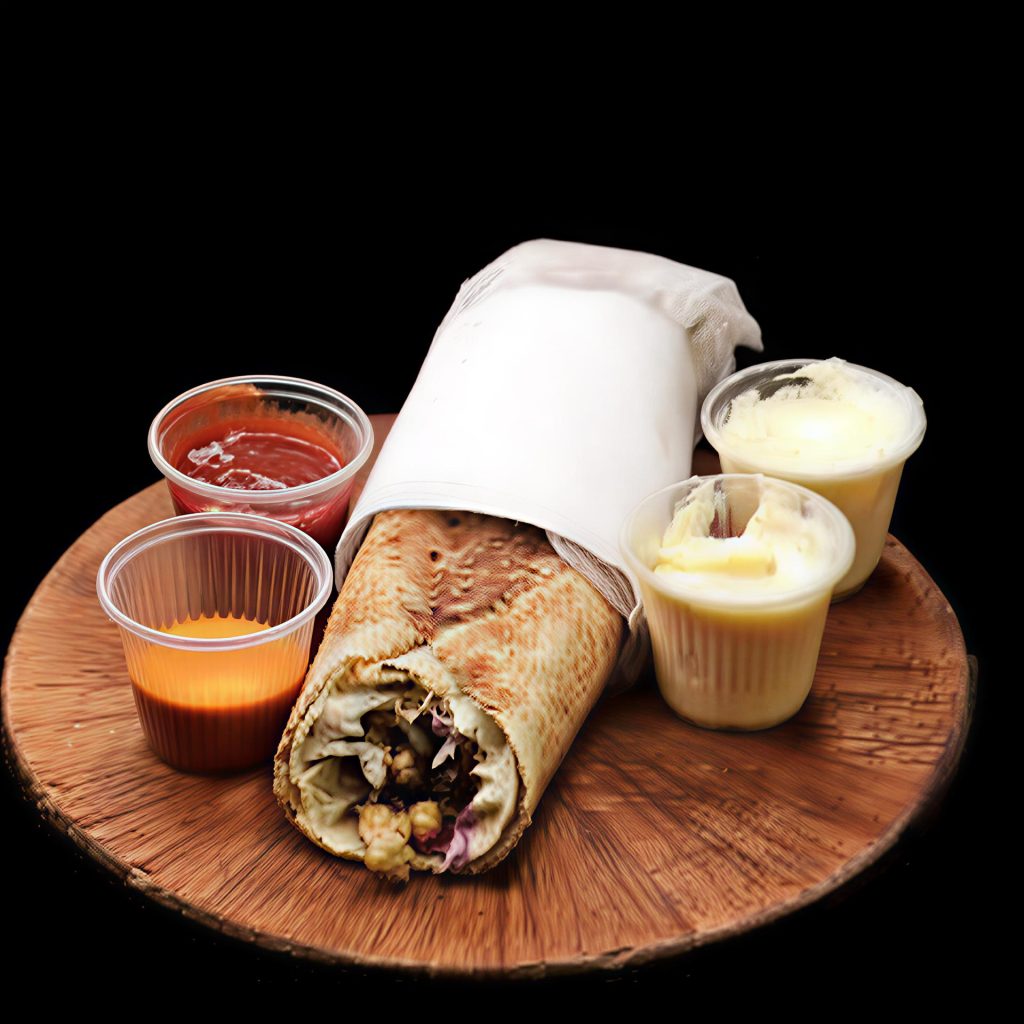
In Paraguay, there are two popular versions: the classic sandwich de lomito and the lomito árabe. The first is served in traditional sandwich bread, while the lomito árabe comes wrapped in soft Arabic pita, rolled tightly with all its fillings. Both are beloved, but each offers a different experience, one hearty and compact, the other more generous and overflowing.
The usual lomito includes thin slices of tender beef cooked on a hot griddle, layered with cheese, lettuce, tomato, egg, and a generous drizzle of sauces.
The lomito árabe offers a different experience. Made with grilled meat (usually beef tenderloin, although chicken or a mix of both is common), it is topped with cabbage, tomatoes, and onions, then wrapped in Arabic pita. It is typically finished with a garlic-based sauce or mayonnaise, giving it a fresh yet indulgent flavour that distinguishes it from the classic sandwich.
Eating a lomito is an experience. It is messy, satisfying, and almost inevitable after a good night out. It fulfils late-night cravings and keeps conversations alive at street stands.