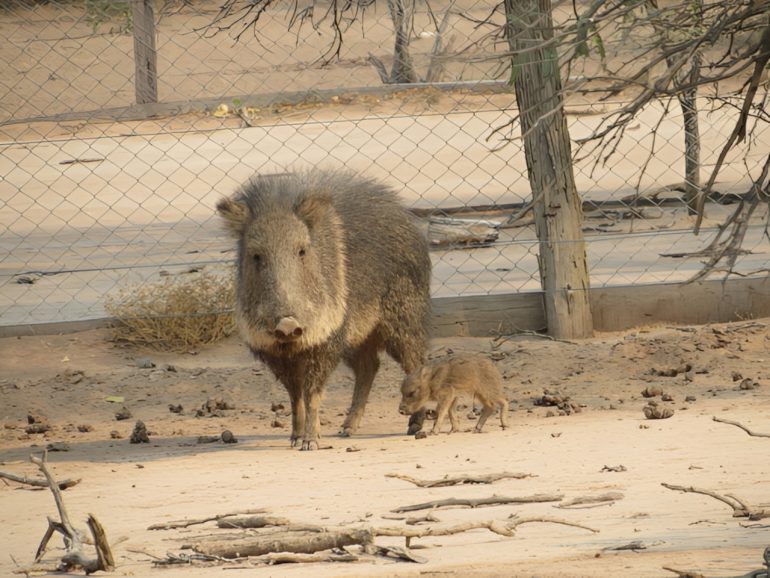

The taguá (Catagonus wagneri), also known as the Chacoan peccary, is one of the most extraordinary mammals in South America. And also one of the most endangered. It inhabits the Upper Chaco, mainly in the departments of Alto Paraguay and Boquerón, with smaller populations in Argentina and Bolivia. According to estimations, around 4,500 individuals remain across these three countries. Beyond its rarity, the taguá plays a vital role in the Gran Chaco ecosystem, shared by Paraguay, Argentina and Bolivia.
For centuries, however, the taguá was believed to be extinct. Known only through fossil remains, it seemed destined to exist solely in scientific archives. Yet, in a story that feels almost fictional, and even surpasses it, the species was rediscovered alive just over 50 years ago. Despite this remarkable comeback, the taguá’s uniqueness extends far beyond its rediscovery.
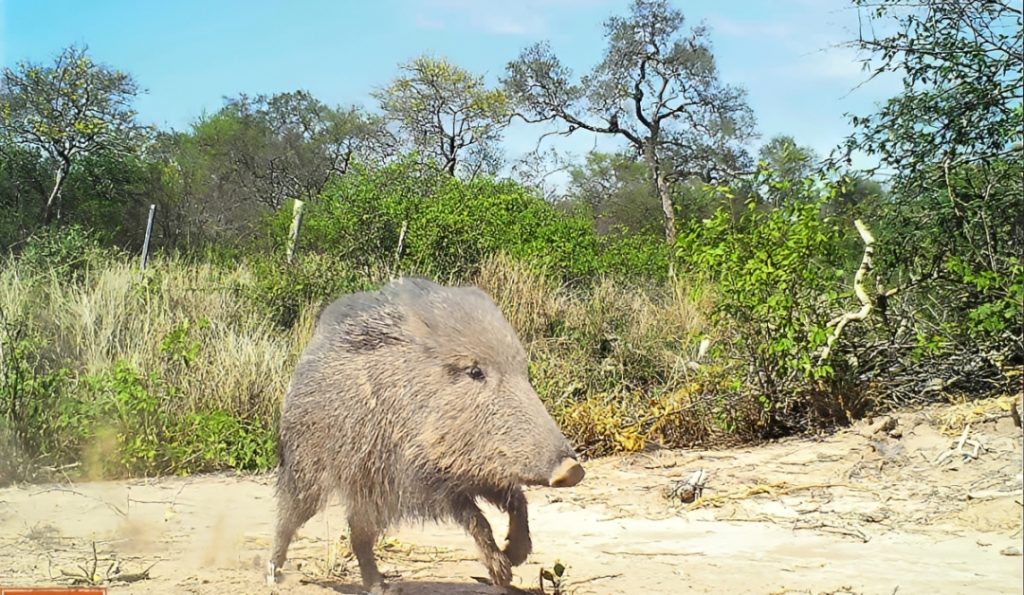
Taguá: A fossil brought back to life
As mentioned before, the taguá was first described to science based solely on fossil evidence. For decades, scientists considered it an extinct species. While other peccaries inhabit the Americas, none matched the physical characteristics attributed to the taguá.
However, between 1971 and 1974, zoologist Ralph Wetzel conducted a series of scientific expeditions in the Paraguayan Chaco. During these field studies, he confirmed the existence of living taguás and published his findings in 1975 in a landmark article titled “Catagonus, an ‘extinct’ peccary, alive in Paraguay”. The discovery astonished the scientific community.
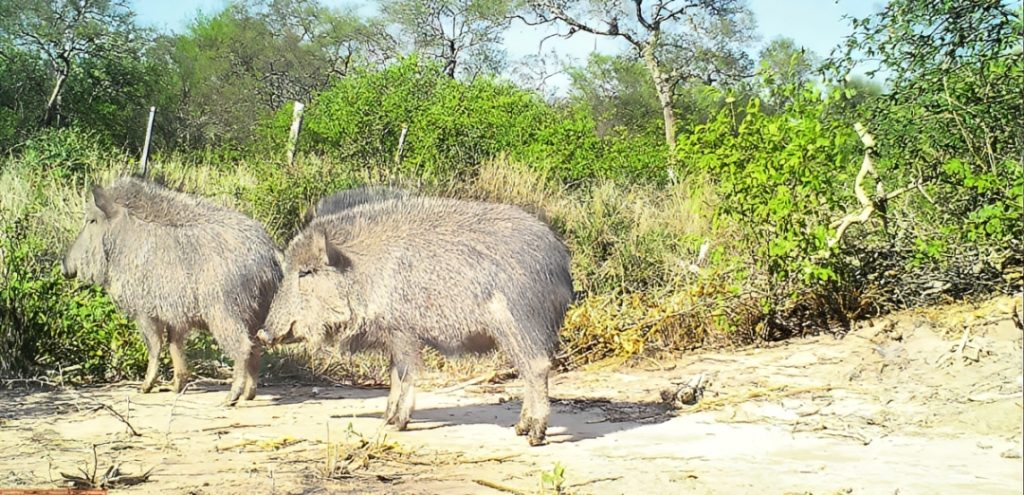
It is believed that for years local communities had confused the taguá with other peccary species, delaying its identification. This phenomenon, a species long thought extinct returning as a living animal, transformed the taguá into a powerful symbol of both hope and vulnerability. Its rediscovery not only revealed the extraordinary biodiversity of the Chaco, but also highlighted how much remains unknown about remote ecosystems.
What makes the taguá unique
The taguá is perfectly fit to the dry and thorny environment of the Gran Chaco. Unlike other peccaries, its diet relies heavily on cacti and other succulents. Its physiology reflects its ability to survive under extreme arid conditions. Its ecological role is fundamental: through seed dispersal and soil disturbance, the taguá contributes to the health and regeneration of the Chaco’s fragile ecosystems.
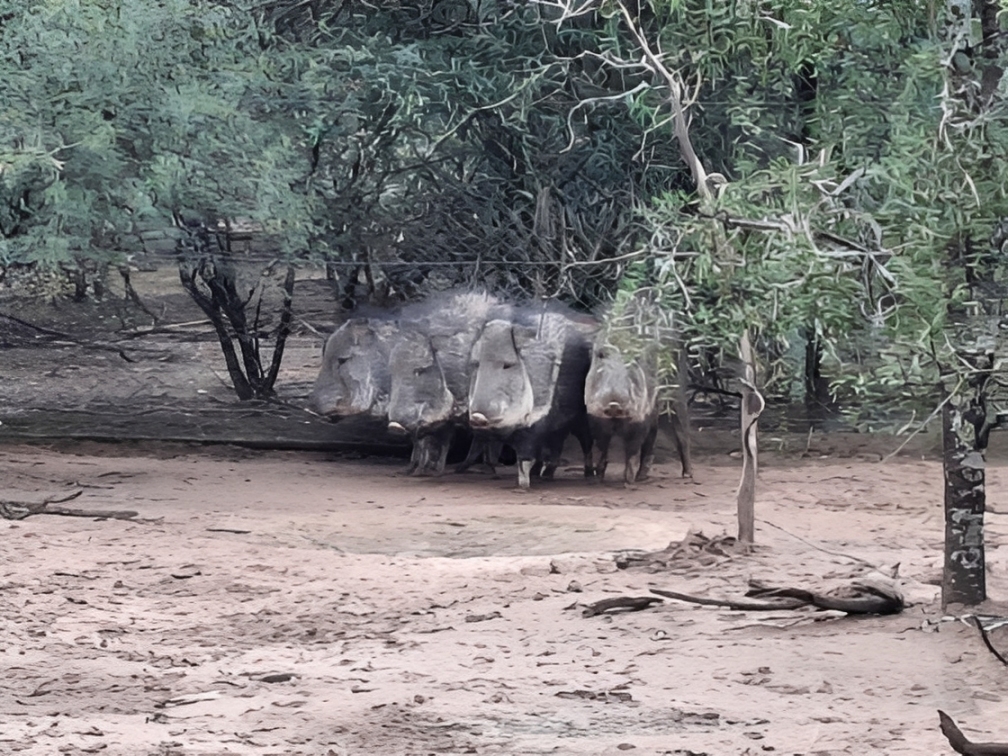
Socially, the species displays remarkably complex behaviour. Taguás live in tightly knit groups that offer collective protection against threats. When a newborn is born, all members of the group contribute to its protection. If a juvenile loses its mother, another female will often take over its care. For a wild mammal, these behaviours reveal a strong sense of social structure and cooperation.
Despite its ecological and behavioural significance, the taguá remains endangered. The International Union for Conservation of Nature (IUCN) currently lists the species as threatened.
Threats on the horizon
After decades of surviving in relative obscurity, the taguá now faces immediate and existential threats. These dangers affect not only the species itself, but also the biodiversity of the Paraguayan Chaco and the wider Gran Chaco region. The most pressing threats include habitat loss, illegal hunting, predation and fragmentation.
Rapid deforestation, driven primarily by agricultural expansion and cattle ranching has destroyed vast areas of native vegetation. These are essential for the taguá’s survival. For example, if cacti disappears, taguá’s chances of survival diminish alongside them.
Although the species is legally protected, illegal hunting persists on rural and private lands. This further weakens an already small and isolated population. Natural predators such as pumas and jaguars also pose a serious threat, particularly to juveniles. Meanwhile, fragmented habitats increase isolation and reduce genetic diversity, placing the species at even greater risk.
Experts warn that unless deforestation and habitat fragmentation are urgently addressed, the taguá could face an irreversible decline. One that could result in true extinction this time.
Conservation in action: Project Taguá
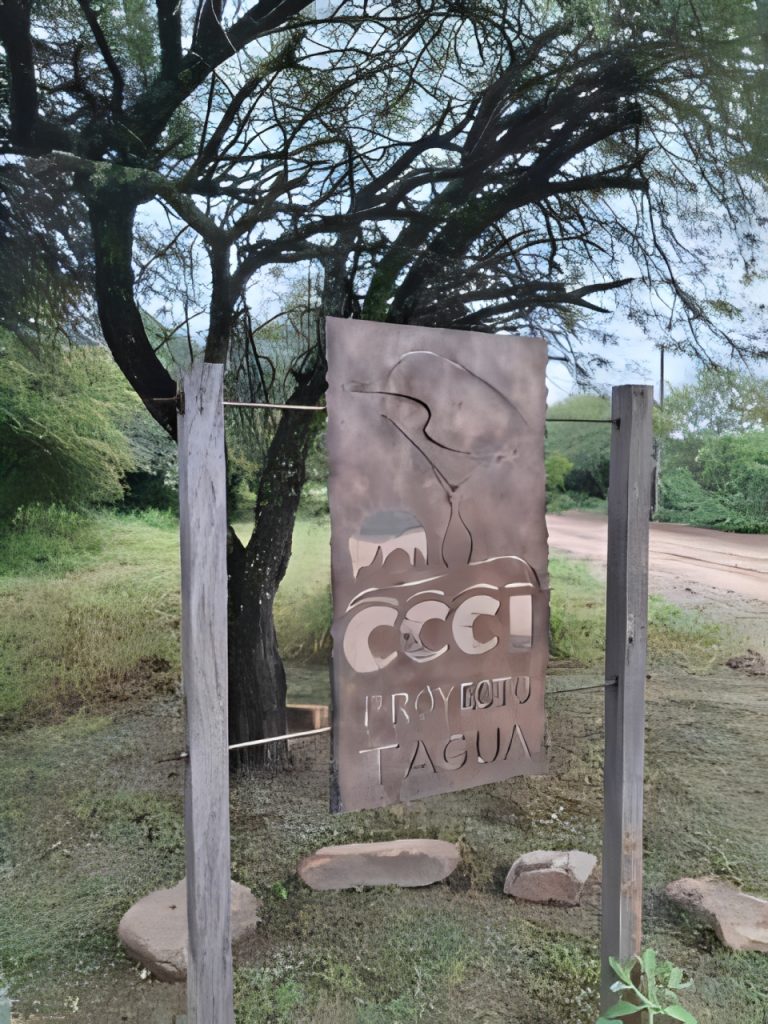
In response to this crisis, the Centro Chaqueño para la Conservación e Investigación (CCCI), formerly known as Proyecto Taguá, leads efforts to preserve the species. Established in the 1980s through collaboration between Paraguayan and American partners, the initiative now operates from a reserve in Fortín Toledo, Boquerón, focusing on breeding, research and future reintroduction.
At the reserve, around 80 taguás live under close monitoring within a controlled 120-hectare environment. Veterinary teams oversee their health, feeding and reproduction, while researchers study behaviour, ecology and population dynamics. The project’s long-term goal is to reintroduce taguás into the wild, with ecological and social feasibility studies currently underway ahead of planned releases around 2027.
International cooperation has been key to these efforts. Zoos and conservation organisations in the United States and Europe provide technical expertise, strengthening local capacity and long-term planning.
Its cultural and ecological importance
The importance of the taguá extends beyond ecology. As a species deeply tied to the identity of the Chaco, it represents both the region’s natural heritage and the broader challenge of conserving unique ecosystems in a rapidly changing world. The species also plays an educational role. At the CCCI in Fortín Toledo, visitors can learn how to distinguish the taguá from other peccaries native to the region. Also, they can explore the battlefield of Fortín Toledo from the Chaco War (1932–1935).

Access to these experiences is free of charge, reinforcing the project’s commitment to public education. The taguá has also occupied a symbolic place in Paraguayan culture: it was the official mascot of the 1999 Copa América. And in 2001, the first and so far only group of taguás was successfully reintroduced into the wild.
Today, renewed conservation efforts, scientific knowledge and growing public awareness offer cautious optimism. The taguá’s story now stands as a reminder that extinction is not inevitable, but neither is survival guaranteed. With sustained protection, responsible land management and continued commitment, the taguá may yet secure a future where it remains not just a relic of the past, but a living symbol of the Chaco’s resilience.