

Paraguay has officially incorporated Animal Welfare as a mandatory subject within its national curriculum for both primary and secondary education. This landmark decision signals a profound cultural and legal transformation. The reform represents a decisive shift in educational priorities by expanding beyond traditional academic disciplines. Now, to include ethical responsibility toward living beings.
The initiative, developed in coordination with the Ministry of Education and Sciences (MEC) and the National Directorate for Animal Defense, Health, and Welfare, aims to cultivate empathy, responsibility, and environmental awareness from an early age. Public and private institutions across Paraguay will be required to integrate Animal Welfare into their academic programmes. By doing this, institutions will reinforce animal welfare importance as a foundational component of civic education.
Educational pillars of animal welfare
The new curriculum is structured around four central axes designed to provide students with a comprehensive understanding of animal protection:
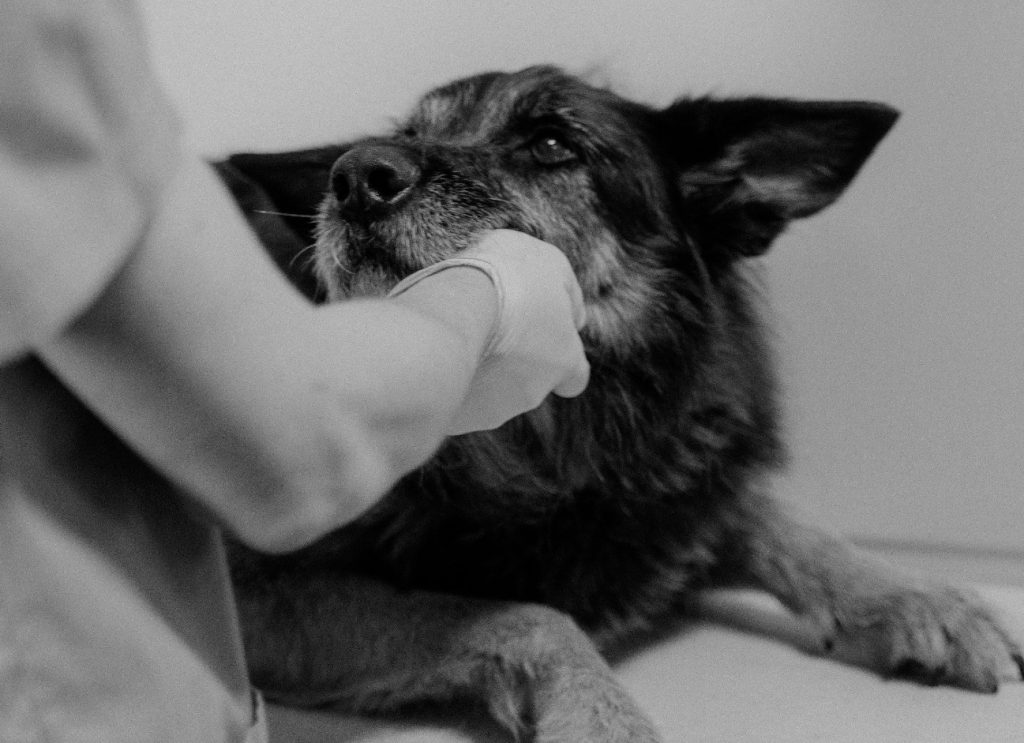
Development of empathy: Students will be encouraged to recognise animals as living beings capable of experiencing emotions and physical sensations. This approach aims to foster respect and moral consideration for all creatures.
Prevention of violence: By addressing cruelty and mistreatment through education, authorities seek to intervene early and discourage violent behaviour before it manifests in broader societal contexts.
Responsible ownership: The programme will provide practical knowledge regarding the care, protection, health, and well-being of domestic animals. It emphasises the obligations that accompany guardianship, helping students understand the responsibilities of looking after animals.
Ecological awareness: Animal welfare will be connected to biodiversity conservation and environmental sustainability. Students will learn about the interdependence between human activity and ecological balance, promoting a broader sense of environmental responsibility.
Officials have underscored that education is the most effective long-term preventive mechanism. The law introduces stricter administrative and criminal sanctions for acts of cruelty. But the new law’s main goal is to prevent them through awareness and ethical education.
A legal revolution: From property to sentient beings
This educational reform is rooted in a broader legal transformation introduced by Law No. 7513/25. Historically, animals in Paraguay were legally classified as “objects” or “things.” The new legislation overturns that classification by recognising animals as “sentient beings.”
This recognition carries significant legal weight. Acknowledging that animals possess complex nervous systems capable of feeling pain, fear, anxiety, and distress elevates their status within the legal framework. Harm is no longer assessed solely in terms of physical injury, but may also consider emotional suffering and prolonged stress.
The legislation establishes stricter penalties for abuse, including prison sentences of up to six years in cases involving extreme cruelty or the death of an animal. Additionally, a National Registry of Animal Aggressors has been created.
Protections extend to domestic animals, animals used for labour, wildlife in captivity, and animals bred for commercial purposes. Breeders and establishments are now subject to more rigorous oversight and regulation.
Education as the foundation of cultural change
By embedding Animal Welfare into the national curriculum, Paraguay seeks to ensure that the legal recognition of animals as sentient beings transcends statutory language and becomes embedded in social consciousness. The classroom is envisioned as a transformative space. A place capable of shaping a generation that views animals not as property, but as conscious individuals deserving of dignity and protection. Through structured ethical education, the government aims to cultivate a culture of compassion that will influence behaviour far beyond school walls.