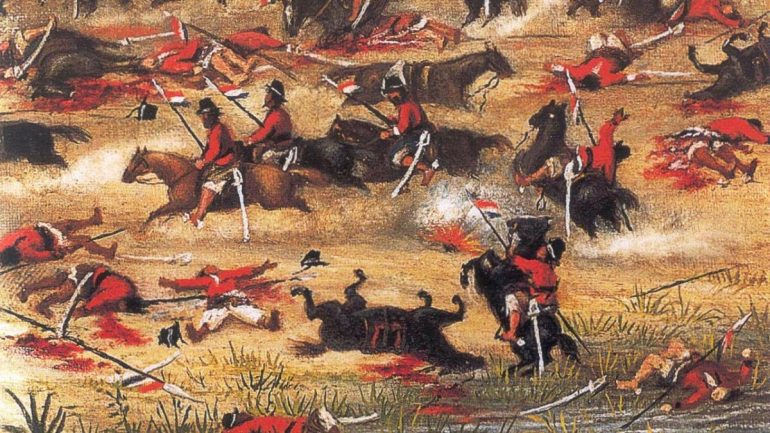

A recently published study by Paraguayan social sciences researcher Herib Caballero Campos offers a rare and detailed look at civilian life during Paraguay’s wartime period in the War of the Triple Alliance (1864–1870). Rather than focusing on battlefields or military leaders, the research turns its attention to everyday civilian life. By examining how non-combatants carried much of the burden of a prolonged and devastating conflict.
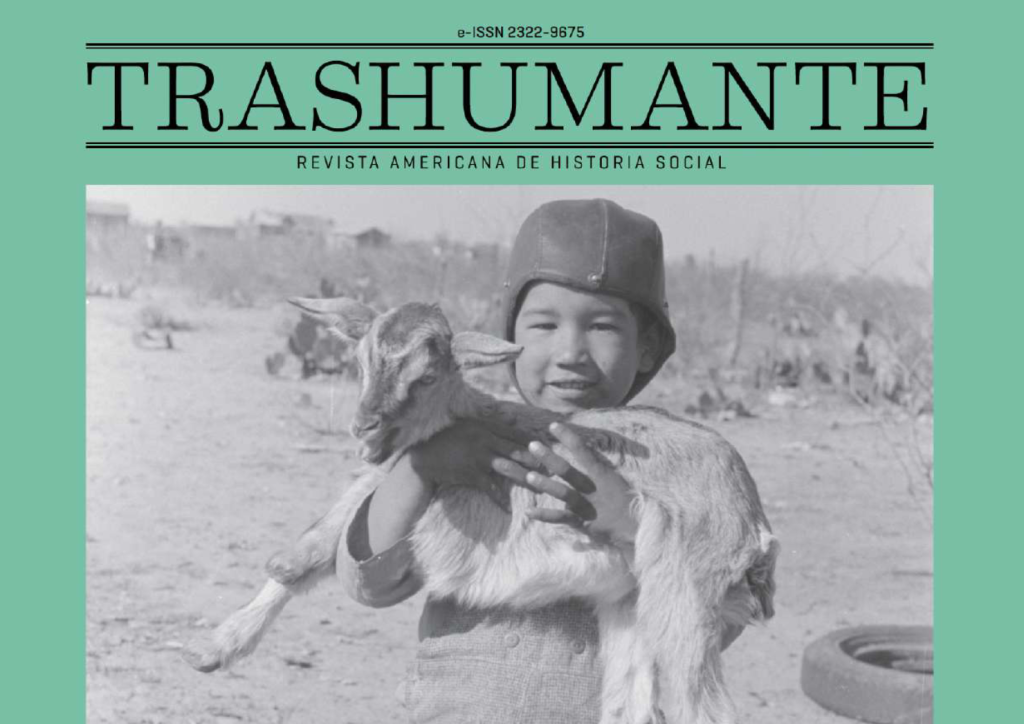
The article, titled “Spare No Sacrifice. Demands and Living Conditions of the Paraguayan Civilian Population during the War against the Triple Alliance (1864–1870)”, appears in issue 27 of Trashumante. American Journal of Social History, a specialised academic publication devoted to Latin American social history. Framed within the study of war economies, Caballero Campos’s work highlights how Paraguay’s civilian population became essential for the war effort. But often coerced.
Civilian life behind the front lines
As tens of thousands of men were mobilised into the army, Paraguayan society underwent a profound transformation. According to Caballero Campos, women, children, and older adults assumed responsibility not only for sustaining households. At the same time, maintaining agricultural production while simultaneously meeting Paraguay’s growing demands for supplies, labour, and food.
The study details how the government imposed strict requisition systems and production quotas. Often, regardless of local conditions or declining productive capacity. In many cases, civilians were required to deliver goods they could scarcely produce. This was under threat of sanctions enforced by local authorities or military officials.
Drawing on archival records, the research reconstructs everyday economic life in towns that were not forcibly evacuated during most of the war. This approach allows for a more precise assessment of production levels and reveals the widening gap. A gap between what the Paraguayan government demanded and what civilians were realistically able to provide.
Agriculture under strain
One of the study’s central findings is the severe impact of the war on Paraguayan agriculture. Even in areas far from active combat zones. Labour shortages, lack of tools, constant requisitions, and displacement progressively undermined food production. Fields were abandoned, harvests declined, and local economies deteriorated.
Caballero Campos documents how certain crops that were common before the war virtually disappeared for decades afterwards. This illustrates the long-term consequences of wartime destruction. Agricultural recovery was slow and uneven, contributing to prolonged food insecurity in the post-war period and affecting everyday civilian life.
The research also challenges simplified notions of rural resilience, showing instead how prolonged extraction and coercion gradually exhausted communities over time.
Daily survival in civilian life
Beyond economic hardship, the study highlights the mechanisms of discipline and control used to enforce wartime policies. Civilians faced punishments for non-compliance, forced labour obligations, and constant surveillance. As resources decreased, the boundary between civilian and military life became increasingly blurred.
In this context, the rear was effectively militarised. According to Caballero Campos, civilian sacrifice was not incidental, but structurally embedded in Paraguay’s strategy to sustain resistance during the war’s later and most desperate stages.
The war as a broader historical trauma
The War against the Triple Alliance remains one of the most devastating conflicts in South American history. For six years, Paraguay faced a coalition of Brazil, Argentina, and Uruguay. This struggle culminated in catastrophic losses of territory, infrastructure, and population. By the final stages of the conflict, the demographic toll was staggering. Historians estimate that Paraguay lost a significant proportion of its pre-war population.
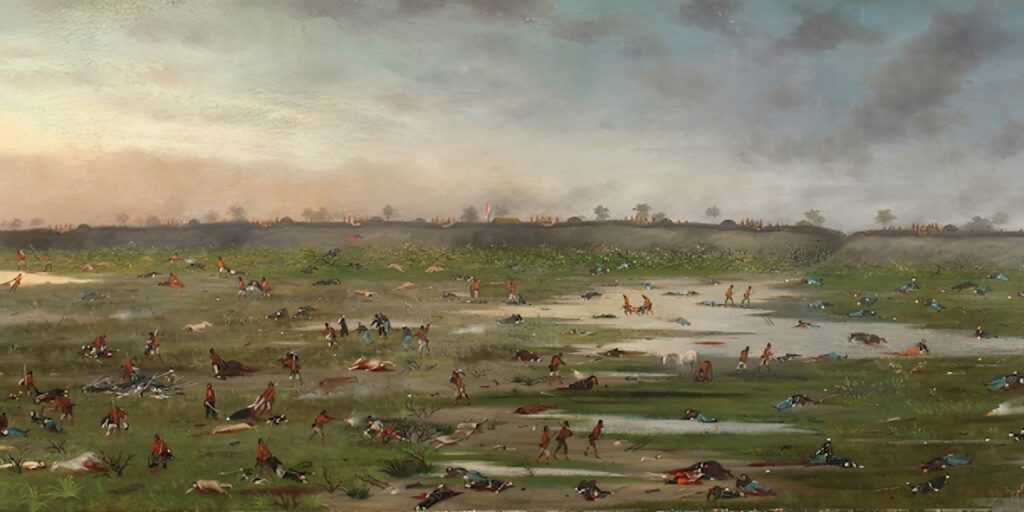
Caballero Campos engages with scholars such as Vera Blinn Reber, who have emphasised the broader scale of loss and how its effects persisted long after the war ended. His focus on civilian life fits within this broader interpretation, providing concrete evidence of how wartime policies translated into daily suffering and long-term structural damage.
The study offers a clearer view of how ordinary civilian families coped with scarcity and labour demands. While such dynamics have been documented in comparative studies of total war, these patterns have rarely been explored with this level of specificity in the Paraguayan case.
Historical legacy and contemporary relevance
By foregrounding civilian life during Paraguay’s experiences, this research deepens understanding of how the War against the Triple Alliance reshaped Paraguayan society far beyond the battlefield. Also reframes the conflict as a collective social trauma, whose consequences were faced not only by soldiers, but by entire communities.
Caballero Campos’s article represents a significant contribution to Paraguayan historiography. By bringing civilian experience to the centre of the narrative, the research reminds readers that the true cost of war is measured not only in victories and defeats, but in the enduring scars left on everyday life.
To learn more, you can read the story of the recovery of a historic Paraguayan flag from the war.