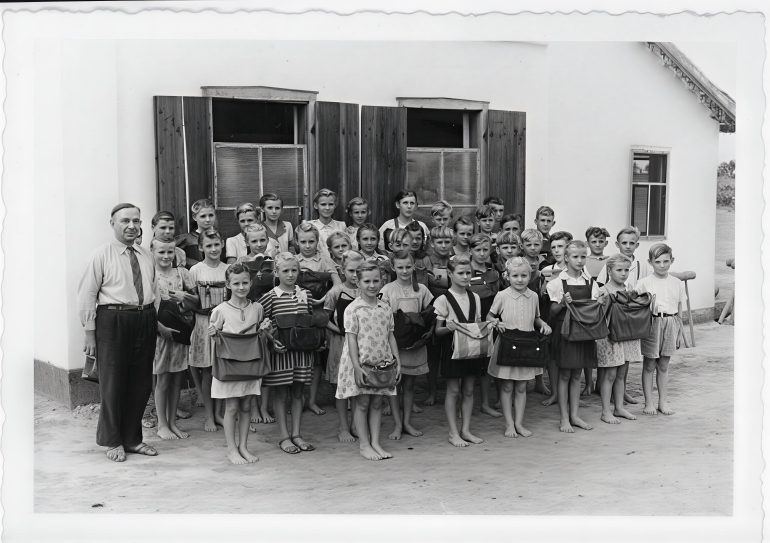

The Mennonites in Paraguay who settled in the Chaco region did not arrive by accident. Their presence is the result of centuries of migration driven by one consistent goal: the freedom to live out their religious convictions. This is episode one of The Asunción Times‘ series about Mennonites in Paraguay.
Who are the Mennonites, and how did a small religious community come to play such a significant role in Paraguay today? At the Mennonite History Museum in Filadelfia, the capital of Fernheim Colony, visitors discover a story that stretches far beyond the Chaco.
Who are the Mennonites?
Their story began long before Paraguay entered it. For generations, Mennonites moved from country to country when political pressure threatened their faith, seeking places where they could preserve their beliefs, education, and communal life. That search eventually led them to one of South America’s harshest landscapes.
Today, Mennonite communities across the Chaco shape the region’s economy, society, and cultural life; yet many outsiders misunderstand them. There are no horse-drawn buggies crossing dusty roads. In Paraguay’s Chaco, Mennonites drive pickup trucks, manage dairies, and run some of the country’s most productive agricultural enterprises.
To understand how they became both influential and successful in modern Paraguay, the story must begin five centuries ago in Europe.



Radical beginnings in Europe
The Mennonite story begins during the Protestant Reformation. In 1525, reformers in Zurich, Switzerland, argued that existing reforms had not gone far enough. They formed the Anabaptist movement and rejected infant baptism, insisting that faith required a conscious decision made in adulthood.
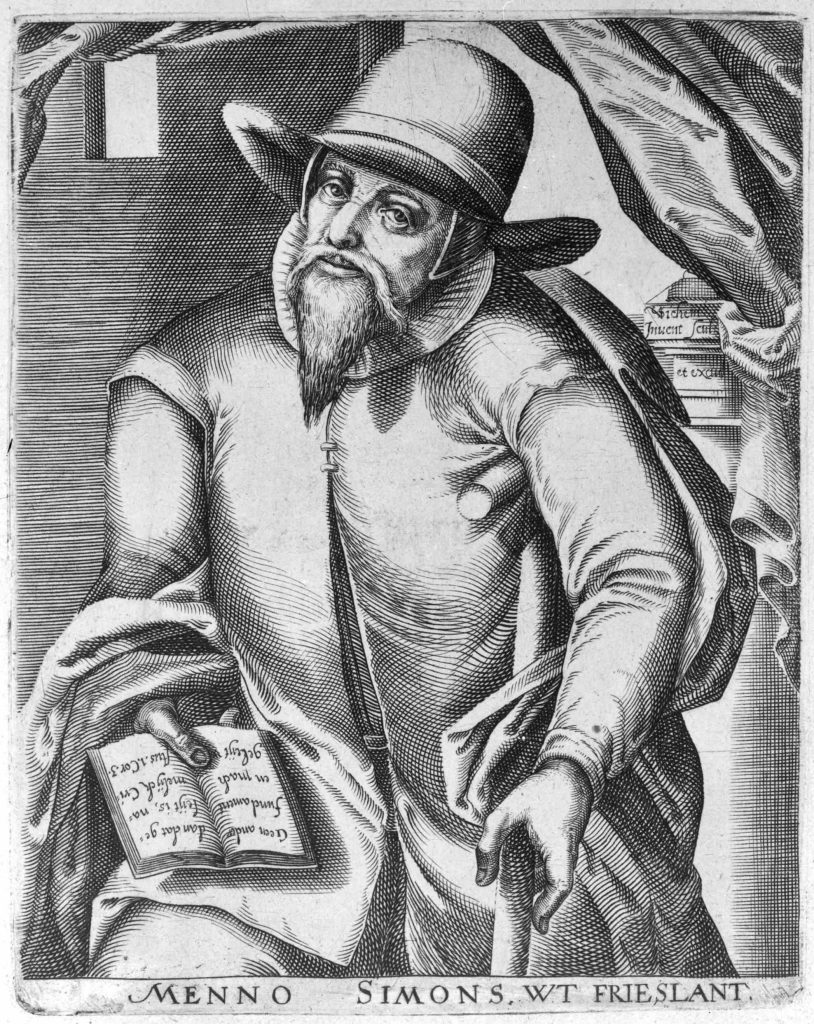
Anabaptists separated religion from government, refused military service, and practiced pacifism. As a result, many faced imprisonment, exile, or execution. Amid this repression, Dutch reformer Menno Simons organized scattered believers into disciplined, nonviolent communities. His followers became known as Mennonites.
From the beginning, migration defined Mennonite survival: when governments demanded conformity, they moved rather than surrender conviction. This pattern would carry them across continents.
From the Netherlands to Prussia
During the late 16th and 17th centuries, Mennonites migrated from the Netherlands to the Vistula Delta in Prussia. Local rulers welcomed them as skilled farmers able to turn wetlands into farmland.
Mennonites drained marshes, built productive settlements, and received religious freedom and exemption from military service in return. A recurring pattern emerged: frontier work created prosperity, prosperity invited state control, and rising pressure triggered migration again. Long before Paraguay entered the story, migration had become the Mennonites’ consistent response to political pressure.
Life in Russia
In the late 18th century, Catherine the Great invited Mennonites to settle in the Russian Empire, promising land, local autonomy, and exemption from military service.
However, by the 19th century, Russian policy shifted. Russification reforms and military conscription threatened Mennonite language, education, and pacifist beliefs. Not all Mennonites migrated, but those unwilling to accept these changes chose relocation once again.
Beginning in the 1870s, thousands migrated to North America, especially Canada, which became the next refuge — and the final stop before Paraguay.
Life in Canada
In Manitoba, Mennonites built prosperous farming communities and maintained German-language education and strong religious governance. For a time, Canada offered both stability and freedom.

World War I changed that balance. Rising nationalism increased suspicion toward German-speaking pacifists. The government imposed English-language public schooling and expanded state control over education. Conservative Mennonite groups viewed these measures as a direct threat to religious autonomy.
Once again, they searched for a country willing to guarantee legal protection for their faith, schools, and exemption from military service. Paraguay, seeking settlers to strengthen its sparsely populated Chaco, offered such guarantees. A win-win situation. Why?
Why Paraguay? New opportunities on the frontier
In the early 20th century, Mennonites and Paraguay entered a mutually beneficial agreement. For Paraguay, the arrangement served a strategic goal.
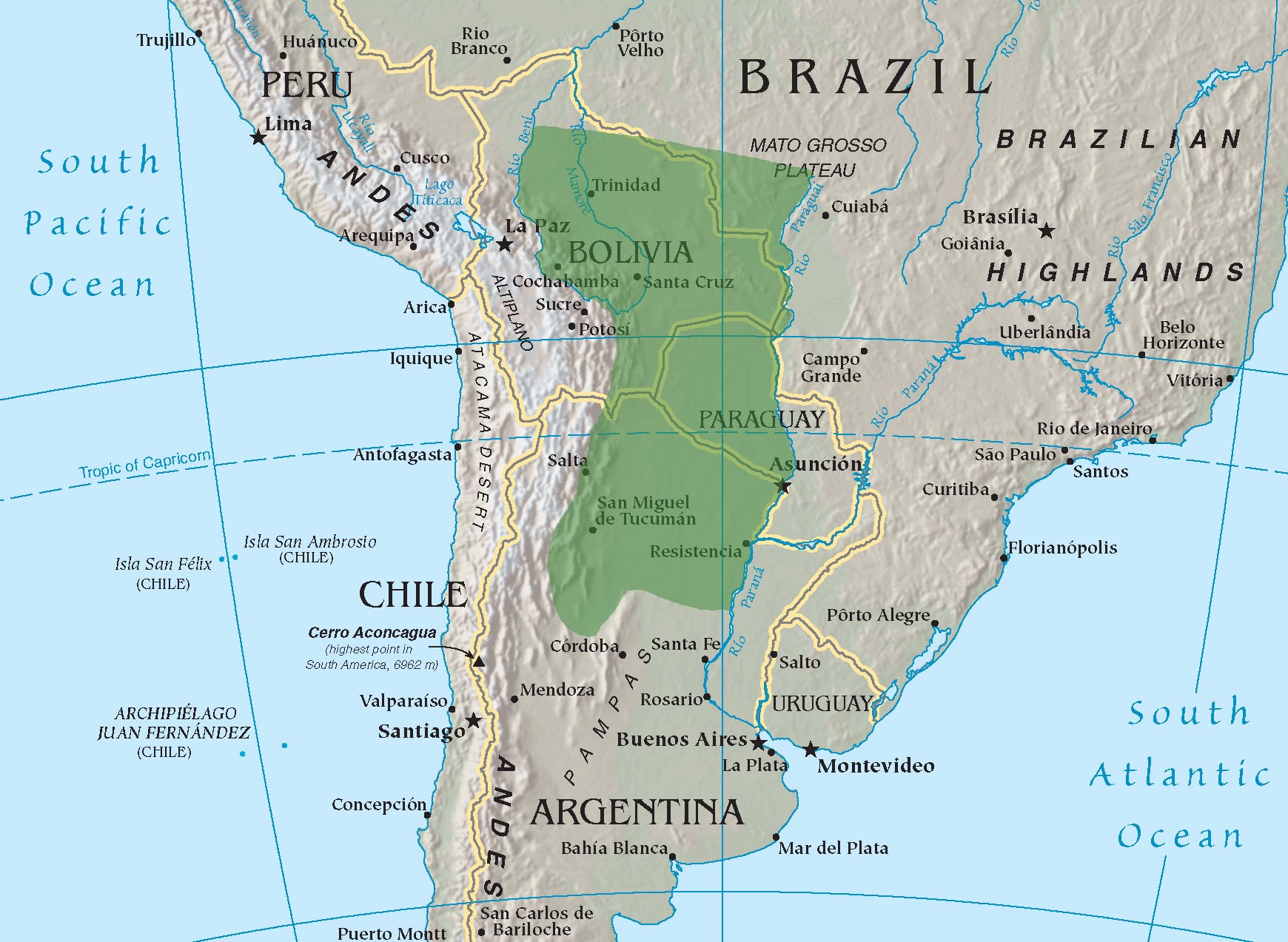
The Chaco remained sparsely populated and vulnerable near Bolivia, and new settlements strengthened territorial presence while helping develop an economically neglected region. For the Mennonites, the remote Chaco provided the isolation needed to preserve language, faith, and communal traditions.
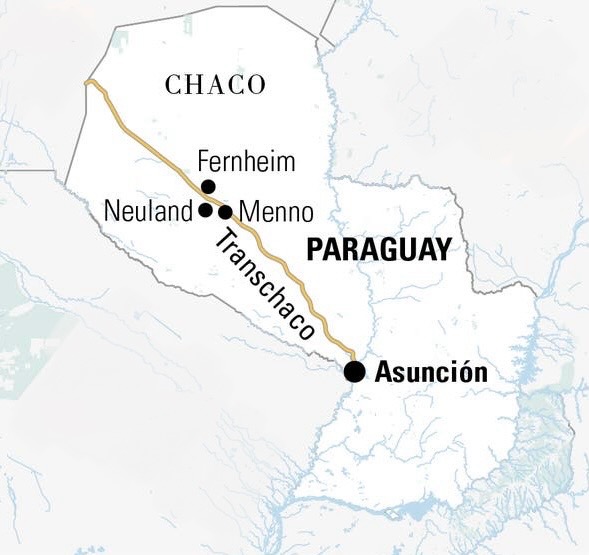
In 1926-1927, Canadian Mennonites founded Menno Colony, the first permanent settlement in the Chaco. They faced drought, isolation, and a harsh climate. A second wave arrived in 1929, fleeing Stalinist repression, and established Fernheim Colony.
After World War II, displaced Mennonite refugees founded Neuland in 1947. Many were widows, elderly people, and families weakened by war and displacement who were not accepted by countries such as Canada, whose immigration policies favored younger and physically able settlers.
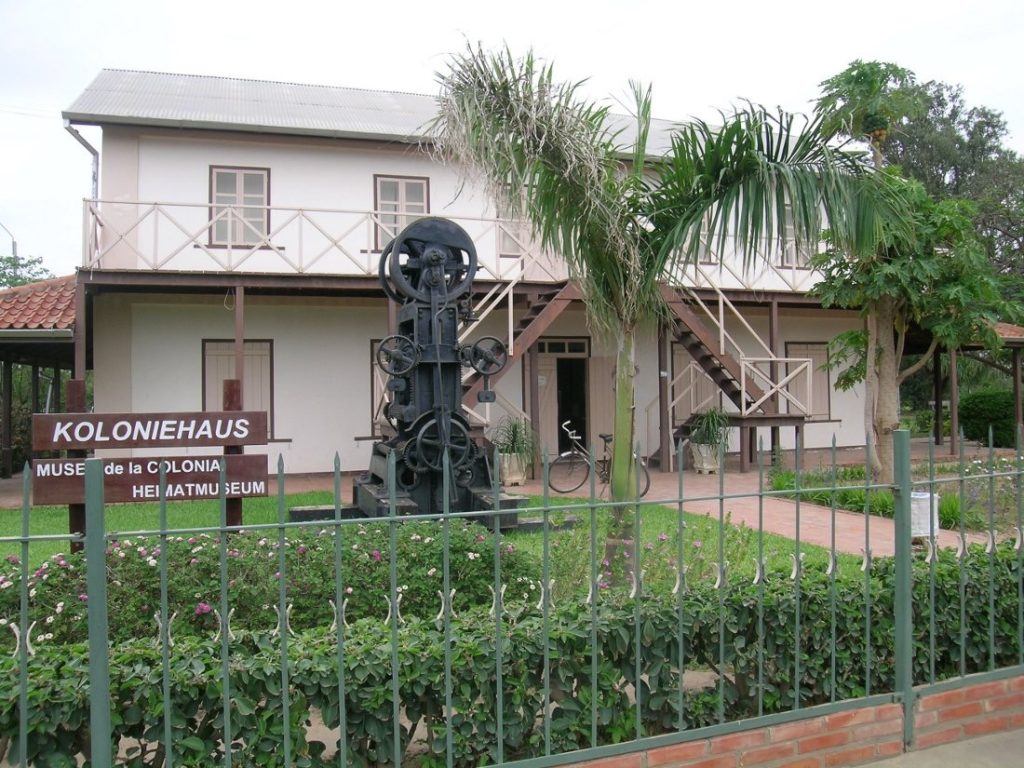
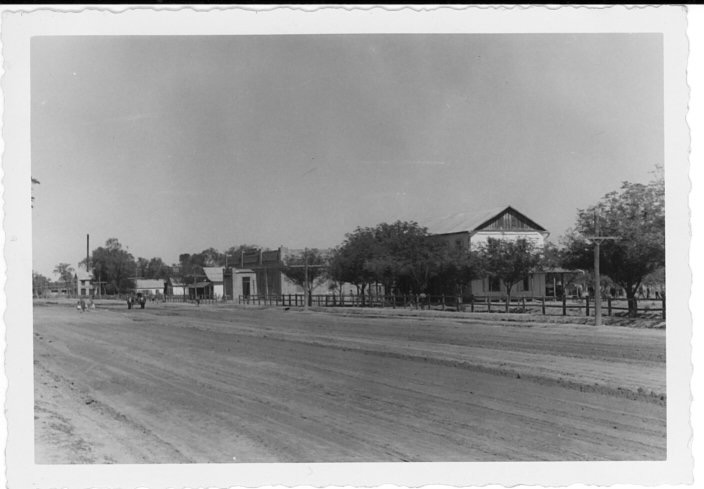
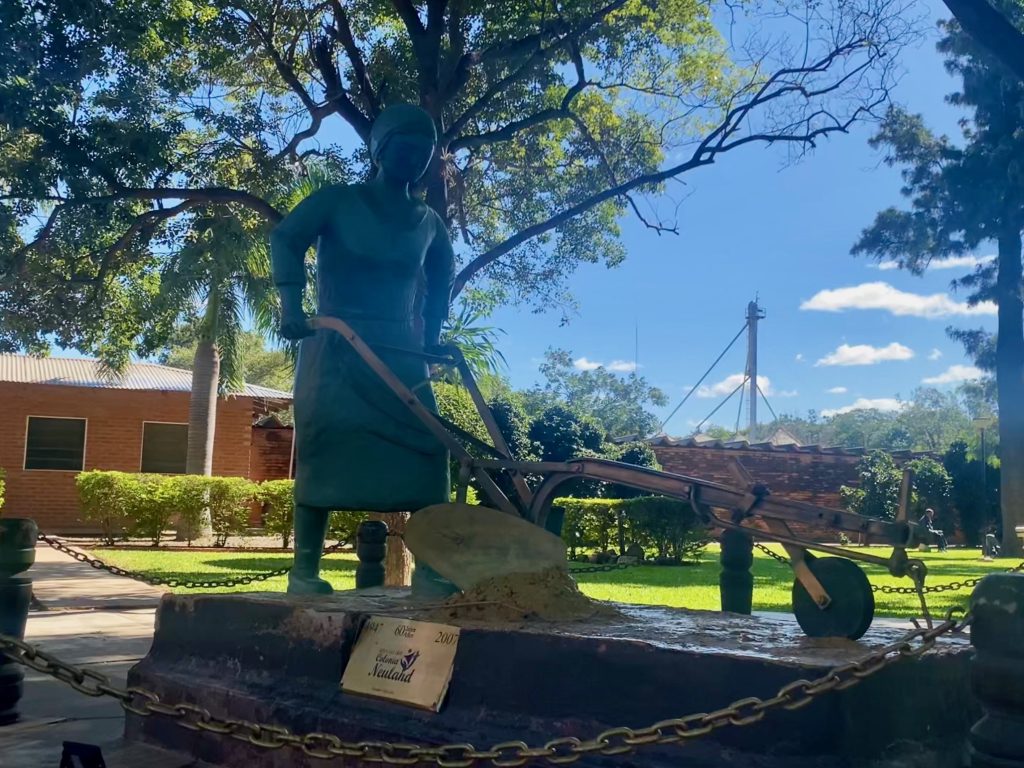
Menno, Fernheim, and Neuland emerged as the three main Mennonite settlements in the Chaco. From the start, communities built churches, schools, and networks of mutual aid. What began as structures for survival would later shape the region’s social and economic development — influences still visible today.
Paraguay‘s Chaco: A new home
Seen in this light, the Mennonites’ arrival in Paraguay was not an isolated migration but the continuation of a historical pattern. Faith carried them across continents, and the Chaco became the place where that long journey temporarily came to rest.
Unlike more traditional Mennonite settlements, the Chaco colonies developed into some of the most modern and economically influential communities in Paraguay. Drawing on generations of experience building new societies from difficult beginnings, Mennonites transformed a remote frontier through agriculture, cooperation, and strong social institutions – shaping one of the country’s most challenging regions and leaving an impact still visible today.
Up next: part two
What are the Mennonites doing today? How do they balance tradition with modern life? The next part of this series, to pe published on The Asunción Times on 13 April, 2026, explores the impact of the Mennonites across Paraguay.