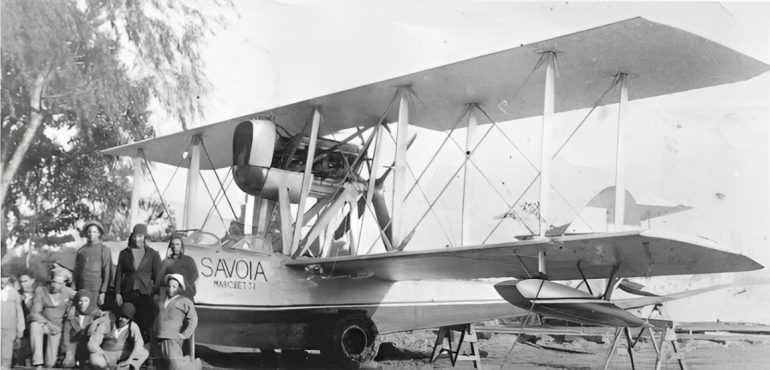

Paraguay’s history is filled with stories and details that remain relatively unknown, even to many locals. The Chaco War (1932–1935) was a silent witness to many of those achievements. Numerous men and women are anonymous heroes of the conflict, and many of their stories remain untold. This is the story of Paraguayan seaplanes making history on 22 December 1934.
Five years earlier
In 1929, Paraguay’s Naval Aviation Command was created to support operations along the Paraguay River. During the war, it continued escorting ships, transporting wounded soldiers from upriver, and carrying out reconnaissance missions. However, on 22 December 1934, a seaplane took part in an operation that would mark a milestone in South American military aviation.
The night raid of 22 December 1934 is recognised by historians and military sources as the first night air raid carried out in South America. The night air raid was not an improvised act, but the result of audacity, strategic necessity, and technical ingenuity in the face of overwhelming limitations.
Aircraft in the war
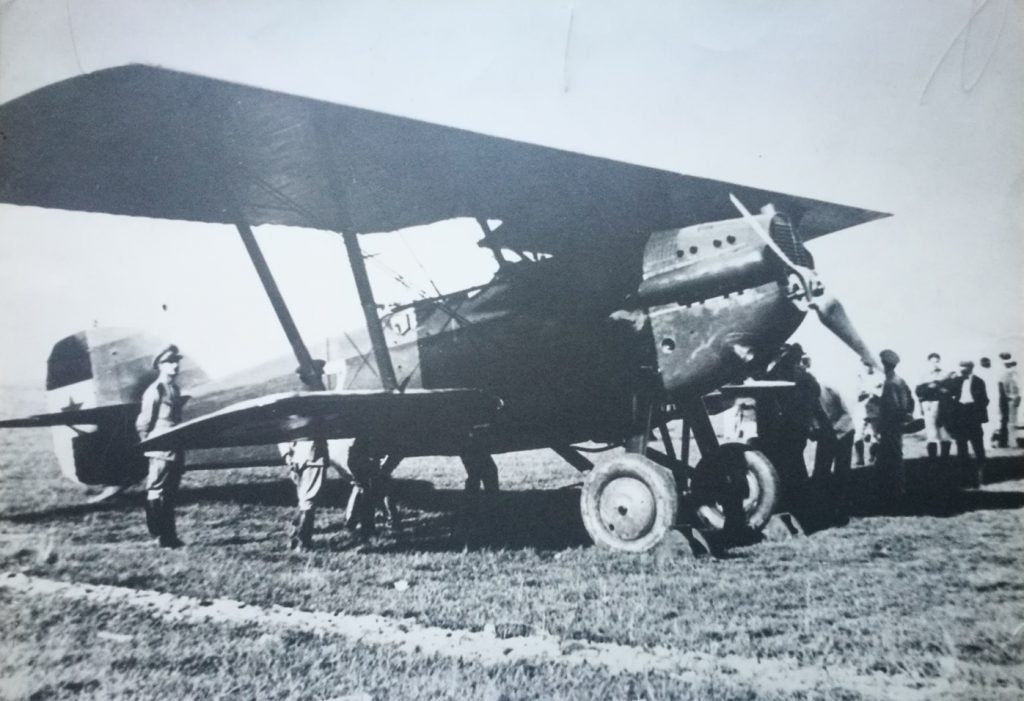
Before 1932, both Paraguay and Bolivia were strengthening their air forces, acquiring aircraft and training pilots. Bolivia, with greater economic resources, managed to build a significantly larger air force than Paraguay. The Paraguayans, instead of relying on numbers, were forced to make more efficient use of the limited resources they had.
Bolivia lacked a proper airstrip close to the frontline, while Paraguay built one at its main base in Isla Po’i. Future marshal and president José Félix Estigarribia quickly understood the strategic value of aviation, using aircraft to move between bases and the front lines. Even President Eusebio Ayala flew from Asunción to the Chaco to meet Estigarribia and boost troop morale.
In addition, several Paraguayan pilots already had experience from previous internal conflicts. As a result, even with fewer and slower aircraft, Paraguayan aviators were neither intimidated by altitude nor by Bolivian superiority.
The night of the feat
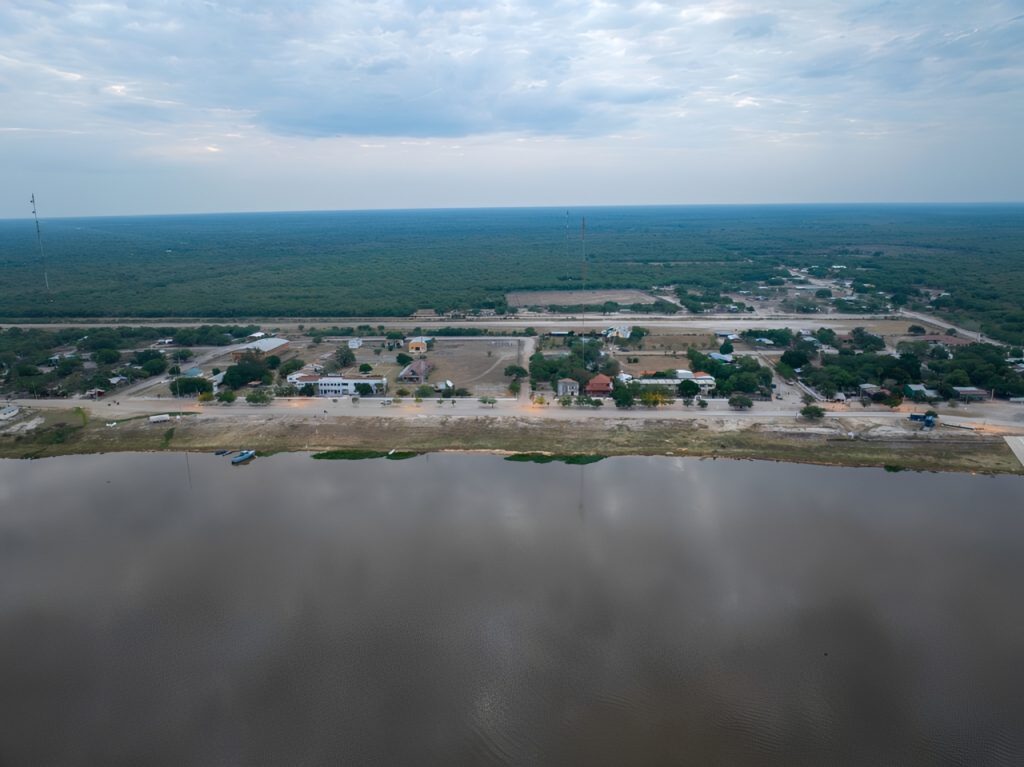
Within this context, the Naval Aviation Command carried out multiple reconnaissance missions and transported wounded soldiers from Puerto Casado to Asunción. Their base was located in Bahía Negra, in northern Chaco, a small town on the banks of the Paraguay River. Situated almost 850 kilometres from Asunción, the base provided an ideal location for operations and monitoring Bolivian movements from that area.
Lieutenant Ramón Martino and observer Job von Zastrow flew numerous reconnaissance missions aboard their Macchi M.18 R5 seaplane. After carefully observing Bolivian positions, they conceived a bold plan: to carry out an attack at night. A night raid in the 1930s involved extreme risks, as darkness severely limited visibility. To make matters worse, Bolivian forces possessed a significant amount of anti-aircraft weaponry.
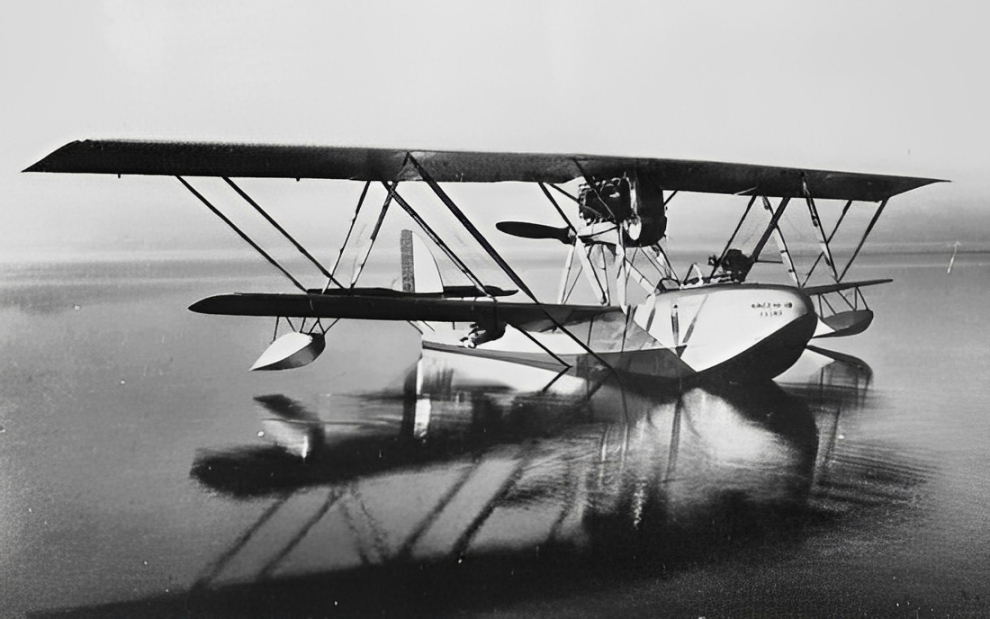
The crew also lacked specialised equipment for night flying. There was no radar or navigational aid beyond a basic compass. The aircraft itself was not made for combat, with no defensive armament. Their plan relied solely on moonlight to guide them to their targets. When they presented the proposal to their superior officer, it was initially rejected. Only after persistent insistence did they receive authorisation.
The raid
When Martino and Von Zastrow took off, ground troops were already aware of the operation and awaited the aircraft’s appearance in the night sky. Relying on memory from previous flights, the crew navigated towards their objectives and released their bombs. Almost immediately, anti-aircraft fire erupted from below.
Despite the intense response, Bolivian forces were unable to locate the aircraft. The attack caused significant material damage, hitting facilities. Beyond the physical destruction, the psychological impact was considerable: an unarmed seaplane had managed to strike enemy positions under cover of darkness.
“With each bomb our plane dropped, the shouts of jubilation from our soldiers echoed back. No one slept anymore. Even the mosquitoes seemed to join in our joy; they did not even bite anymore,” Martino recalled years later. As the aircraft returned, soldiers cheered its passage. The mission was a complete success, and the plane landed without a single scratch.
A historic achievement
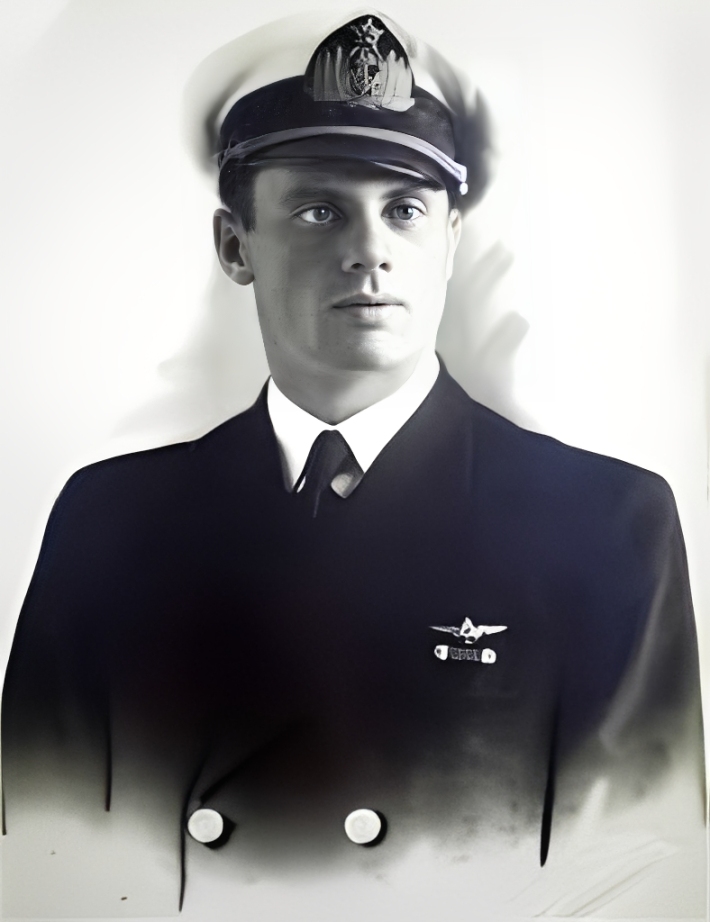
In recognition of this operation, the date holds a special place in Paraguayan military history and symbolises the contribution of Naval Aviation during the Chaco War. Every 22 December, the Naval Aviation Command commemorates the event, honouring the boldness of Martino and Von Zastrow.
More than nine decades later, that mission remains a reminder that, in an unequal war, Paraguay managed to inscribe its name in the history of continental aviation. Not through numbers or technological superiority, but through the courage of those who dared to fly at night, when no one else did.