
The heart of the Paraguayan Christmas is Nochebuena, or Christmas Eve. While 25 December is a public holiday and generally a day of rest, the true celebration happens the evening before, when families reunite, often across generations, to share food, stories, laughter, and fireworks.
More than a festive dinner, Nochebuena brings loved ones together, near and far, to mark the end of the year with warmth, gratitude, and joy. It is the most cherished night of the festive season in Paraguay, filled with emotional reunions, delicious meals, and joyful traditions.
Festive preparations from morning to night
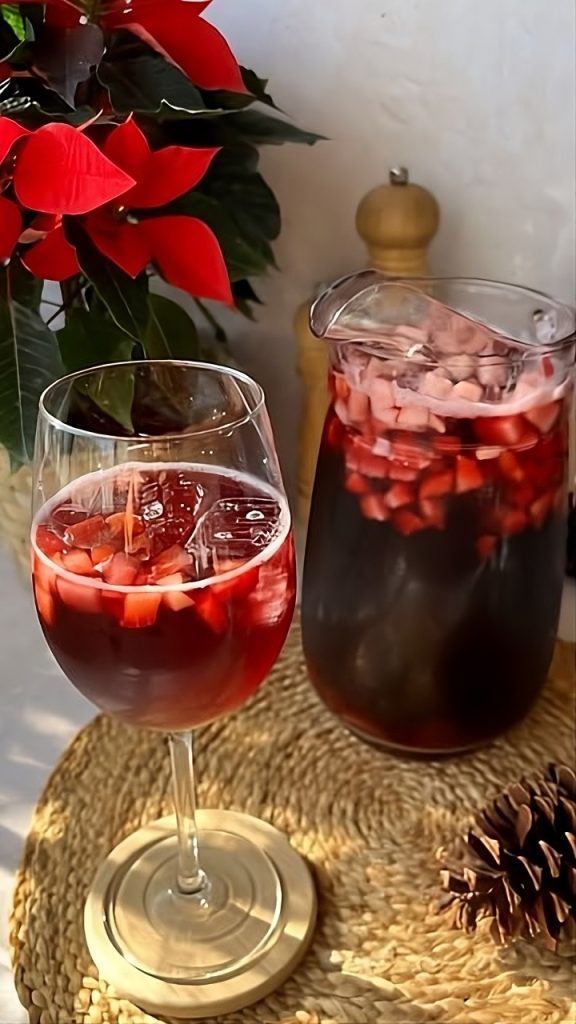
From early on 24 December, the atmosphere becomes festive, particularly for those responsible for preparing the Christmas meal. Salads, vitel toné, clericó and other traditional dishes are carefully prepared throughout the day. Meanwhile, others focus on cleaning the house and setting the table.
In the afternoon, hair salons and clothing shops become crowded, as it is common to dress in festive colours, especially red, white and green and to look one’s best for the occasion, even if people are going to stay in the dining room of their own houses. These preparations reflect the importance of Nochebuena as a celebration that blends tradition, family pride and community spirit.
A tradition of family and love
Although families usually celebrate Christmas Eve together, couples also see it as a meaningful time. Spending the holiday with a partner’s family is seen as a sign of commitment and is often viewed as a milestone in a serious relationship.
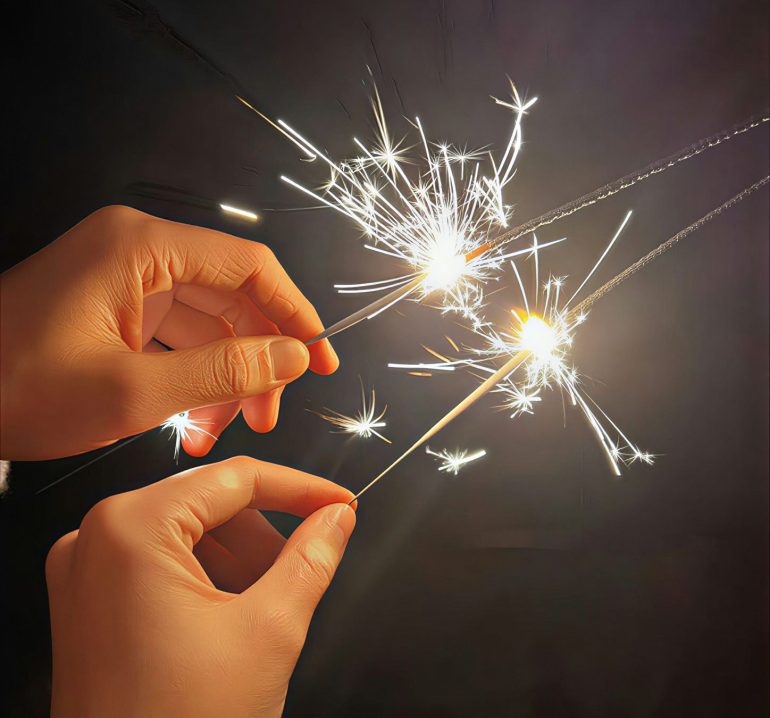
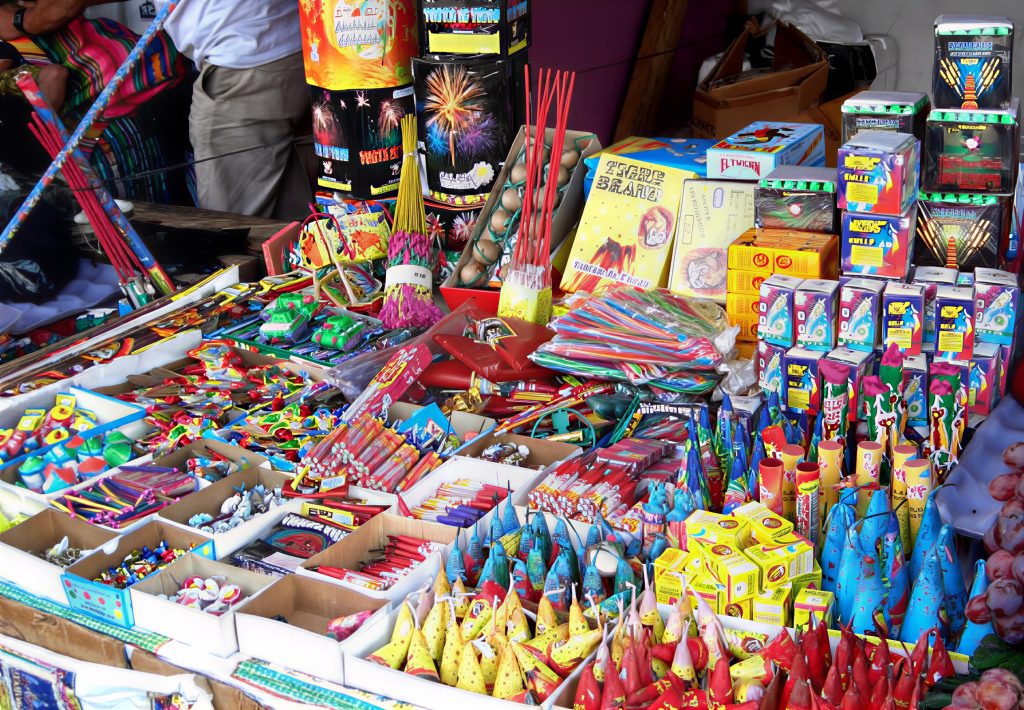
By 21:00 or 22:00., family members begin gathering around the dinner table. Children, under adult supervision, play outside with small fireworks such as little sparklers, bang snaps, firecrackers (estrellitas, ajitos and fosforitos). Traditional Paraguayan music plays in the background as families add the final touches to the meal. Some households also attend Christmas Eve Mass, either earlier in the evening or late at night. Nochebuena blends religious reverence with joyful festivity, filling every gesture with meaning.
At midnight, when the clock strikes twelve, hugs are exchanged, glasses are raised, and many families open their presents. Others prefer to wait until the morning of the 25th to do so, but for most, this is the emotional peak of the night.
Fireworks in every direction
The main spectacle of Nochebuena is the fireworks. As the clock strikes midnight, the sky lights up with bursts of colour, echoing across the city and beyond. It is a shared celebration that transcends individual homes, creating a collective moment of joy, light and noise.
The fireworks displays typically last between 15 and 30 minutes, though in some areas they may continue sporadically well into the early hours of the morning. Streets, rooftops and backyards become makeshift viewing spots, with people gathering outside to exchange greetings and enjoy the atmosphere together.
The soundscape is filled with crackling explosions, whistles and cheers, marking one of the most anticipated moments of Nochebuena. During this time, it is advisable to remain indoors due to the occasional risk posed by stray bullets. It is also recommended that people keep pets safely inside, as their hearing is far more sensitive than humans.
The Nochebuena dinner: A Paraguayan feast
Food is central to the Nochebuena experience in Paraguay. Unlike colder countries where meals are hot and hearty to combat the weather, Paraguayans enjoy their feast late at night, between 10:30 p.m. and midnight, under the summer heat and a clear sky.
A typical table may include:
- Asado (grilled beef or pork, cooked outdoors)
- Chipa guasu (a savoury corn-based dish)
- Sopa paraguaya (a dense, cheesy cornbread)
- Ensalada rusa (potato salad with peas, carrots and mayonnaise)
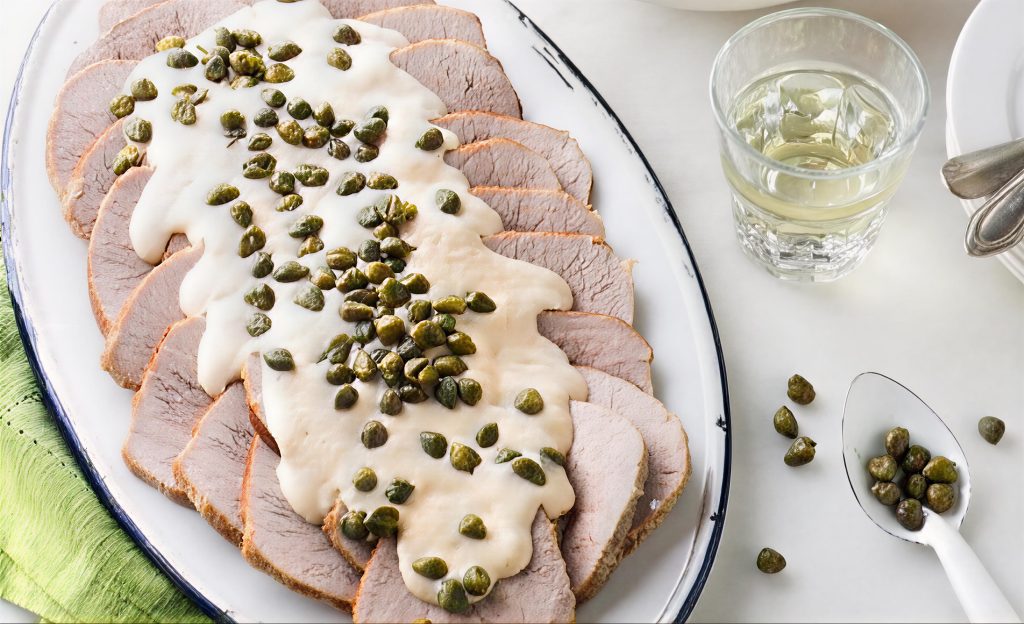
- Vitel toné (cold sliced meat with tuna and caper sauce, often eaten between pan chip bread as a sandwich)
A helpful detail for newcomers: supermarkets sell pan chip year-round, but increase production during the Christmas season. People tend to buy it in large bags out of fear of running out on the night of the celebration. Since the small rolls are easy to eat and often consumed between dishes, it is not uncommon to overindulge, many only realise it once their stomach begins to protest!
For dessert:
- Pan dulce (sweet bread with dried fruits and nuts);
- Clericó (fruit salad mixed with wine or juice).
Drinks vary and may include cider (sidra), beer, cold soft drinks, and natural juices.
A welcoming tradition for all
Christmas in Paraguay, especially Nochebuena, is a rich blend of tradition, family warmth and joyful expression. Whether you are joining in your first Nochebuena feast, watching fireworks under the summer sky, or helping decorate a handmade pesebre, you will quickly see that this holiday is less about perfection and more about connection.
It is a time when people welcome even newcomers with open arms. And if you let yourself be part of it, you might just find that a Paraguayan Christmas Eve feels like home, no matter where you come from.