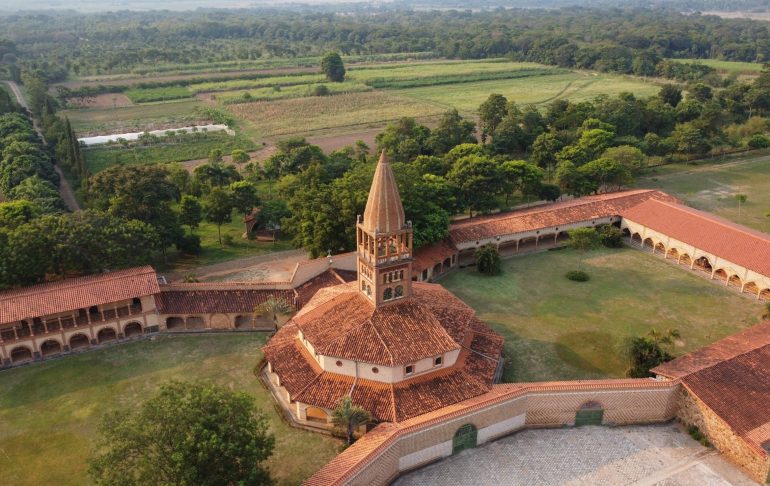

Paraguay will observe the Heroes’ Day public holiday on Monday, 2 March, following a decree signed by President Santiago Peña. Heroes’ Day honours the memory of fallen heroes, particularly those who died during the War of the Triple Alliance. The measure transfers the traditional 1 March commemoration to create a long weekend across the country. This upcoming break presents an ideal moment to visit one of Paraguay’s tourist attractions: the historical city of Atyrá.
Origins and meaning
Atyrá, earlier “Atyhá.”
From Guaraní: aty = meeting/assembly, ha = place.
Thus, “place of meeting.”
In the Cordillera Department lies a city built on neutral ground. About 60 kilometres east of Asunción, there is a historic meeting place. One where great Indigenous chiefs once gathered to negotiate peace, resolve disputes, and settle the conflicts that shaped their world. In the hills of the Altos region stands Atyrá. Originally known as Atyhá, a settlement that has existed since 1538, making it one of the oldest cities in Paraguay.
Atyrá: The ecological capital of Paraguay
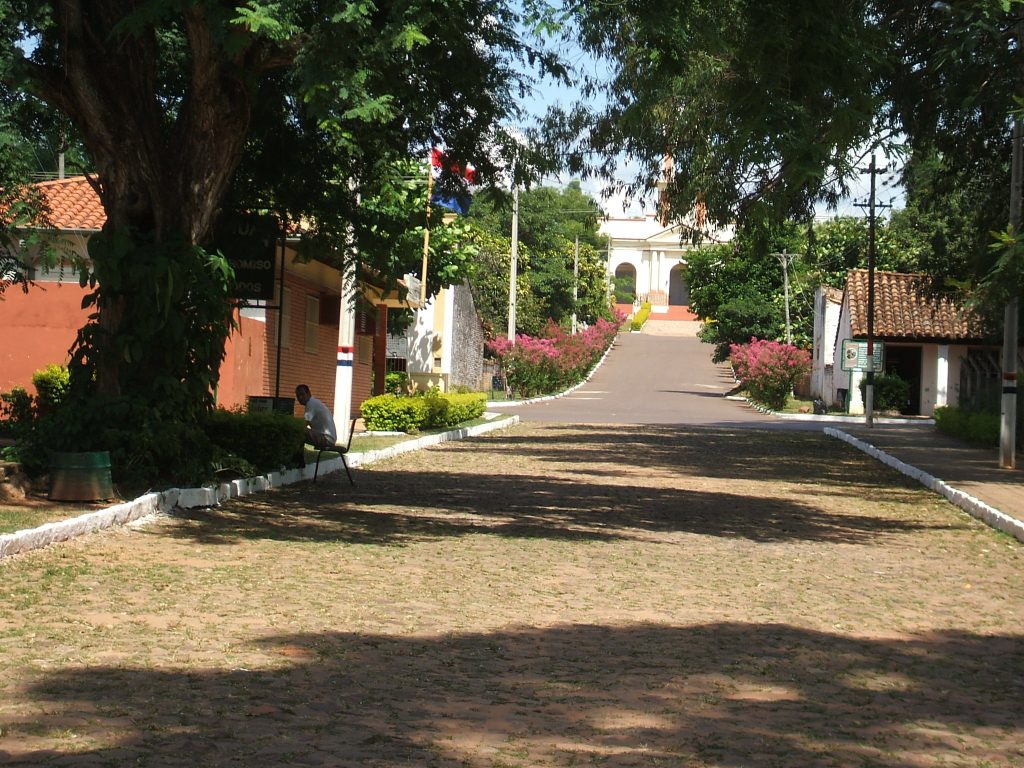
Declared as the “Ecological Capital of Paraguay,” Atyrá is considered the cleanest city in Paraguay. Also, it has been recognised as among the cleanest in the Americas and one of the world’s healthiest communities. Since the 1990s, Atyrá has differentiated itself from other cities, building a tradition of commitment to an ecologically sustainable future.
It was in 1991 when the new mayor, Feliciano “Nenecho” Martínez Morales, began fostering a culture that would become the defining legacy of the city. Determined to transform Atyrá into the cleanest community in the country, he started with his own hands. Sweeping streets, collecting waste, and caring for public spaces at a time when the municipality lacked sufficient workers to do so. Although some might have thought of him as insane, other residents joined him in his madness. And in a country such as Paraguay, where community spirit runs deep, the people of Atyrá did not leave him working towards the dream alone.
While change did not come overnight, the process was definitely a rewarding one. By 1996, the collective effort of the community earned international recognition. Atyrá was distinguished as the Healthiest Community in Paraguay, seventh in the Americas, and eighth in the world, a distinction certified by the World Health Organization (WHO).
Artisan craftsmanship and local pride
Today, Atyrá continues maintaining a connection with nature unlike any other city in Paraguay. However, its identity goes beyond clean streets and green spaces. Craftsmanship is woven into the soul of the community. From delicate wood carvings to finely crafted leather goods, the artisan hands of the Atyreños are widely recognised and appreciated throughout the country.
On the Paseo Peatonal Indio José, there is a permanent craft market. There, local artisans display wallets, shoes, belts, bags, and, most notably, beautifully designed tereré thermoses. There seems to be no limit to what these hands can create.
Architecture and cultural fusion
Atyrá’s richness also extends to its architectural design and visual identity. Most notably in places like the Complejo Marianela, where European medieval style blends with Guaraní roots. Italian and Paraguayan architects worked together to bring the complex to life. Both nations made it a true representation of history, culture, and the creative collaboration between them.
Marianela covers an area of more than 7,000 square meters and is filled with colour, paintings, and wood carvings shaped by both national and international influences. The details embedded in doors, walls, and corridors invite admiration. Overall, the complex offers an ideal setting for retreats, spiritual guidance, workshops, or simply a peaceful space to rest and reconnect.
History is not left behind in Atyrá. In the Church of St. Francis of Assisi, the city’s patron saint, an 18th-century relic is preserved: an extraordinary altarpiece carved entirely from wood in 1580 by Franciscan friars and Guaraní people in a remarkable act of cultural symbiosis. The Franciscans, who arrived in Paraguay on an evangelising mission, saw beyond language barriers and worked side by side with the Indigenous community to create a piece that embodies the nature of Atyrá.
Natural landscapes and protected areas
Atyrá has nothing to envy from other cities, not even those known for hills or waterfalls, because it possesses its own charms. On the border between the districts of Atyrá and Tobatí rises Cerro Kavaju, an impressive 370-metre rock formation. Together, with its surroundings, has been declared a protected area for being home to numerous native species of flora and fauna. Its name, Kavaju, meaning horse, comes from the belief that, from a distance, the hill’s silhouette resembles that of a horse.
Likewise, along the Tobatí–Atyrá route lies the Chorro Karumbé, a small waterfall approximately 3 to 4 meters high. The name Karumbé, meaning turtle, was given by locals who once saw many turtles inhabiting the area. The natural beauty and the gentle sound of falling water make this chorro an ideal spot to disconnect from the everyday world.
Atyrá as a living memory
Atyrá has multiple other wonders; its attractiveness does not end with the Paseo Peatonal Indio José, Marianela, the Church of St. Francis of Assisi, Cerro Kavaju, or the Chorro Karumbé. There is more to see, more to discover, more to enjoy.
The commitment, culture, history, and nature are what make Atyrá one of the best places in Paraguay. I visited it first when I was a little girl. My family and I returned again and again as we grew older. I remember the cleanliness, the greens, the vastness of it all. I remember my sister and my mom buying leather zapatillas. My own disappointment at not finding my name on a keychain and the unexpected joy of an artisan telling me, “I can make it for you.” The smell of leather as hands burned the letters of my name into it.
Atyrá, originally known as Atyhá, is a place of meeting.
This article was written by Brizá Duré for The Asunción Times’ Writing Competition.