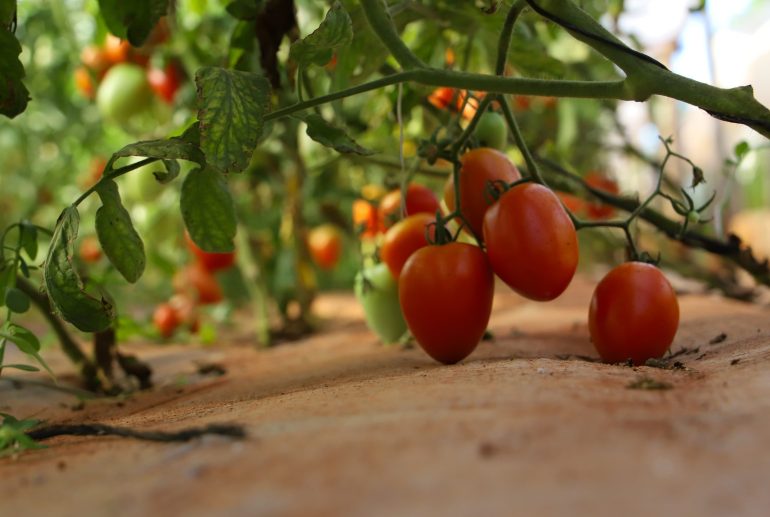

Tomato producers across various regions of Paraguay are reporting encouraging results from harvests conducted in January and February, months traditionally considered unviable for cultivation due to high temperatures. This significant summer tomato drought breakthrough confirms a paradigm shift in local agriculture, driven by Paraguay’s National Tomato Production Plan 2025, an initiative led by the Ministry of Agriculture and Livestock (Ministerio de Agricultura y Ganadería, MAG).
A long history of agricultural challenges
For decades, national tomato production in Paraguay was severely limited by a combination of structural and technical factors that made summer farming almost impossible. According to engineer Edgar Frutos, the Agricultural Management Coordinator and a specialist in tomato and pepper crops for the MAG, the current success story reverses a long history of agricultural challenges.
“Tomatoes were not produced in the summer due to fear, a lack of knowledge, or a lack of decisiveness to face the underlying problem,” Frutos says.
Overcoming historical cultivation problems
The list of historical obstacles faced by Paraguayan farmers was extensive. Foremost among them were the extreme summer temperatures, which frequently exceed 45°C. Such intense heat is detrimental to tomato plants, as it can render pollen sterile, leading to poor fruit set and significant yield loss. In addition to the heat, prolonged photoperiods, meaning extended hours of daylight, also placed considerable stress on the plants.
These climatic pressures were exacerbated by persistent agronomic problems. Widespread soil degradation, a result of continuous farming without adequate replenishment, meant that the soil lacked the necessary organic matter and nutrients to support healthy crops. Furthermore, producers commonly used traditional tomato varieties that were poorly adapted to the demanding local conditions and lacked genetic resistance to heat and pests.
This was coupled with a general lack of application of modern technical practices designed to induce environmental stress resistance in the plants, leaving crops vulnerable.
A new strategic framework for production
The National Tomato Production Plan 2025 has effectively demonstrated that cultivating tomatoes in these extreme conditions is not only achievable, but can also be both profitable and sustainable. The plan introduced a holistic strategy that incorporated cutting-edge agricultural science, and intensive support for farmers.
A cornerstone of the initiative has been the introduction of modern hybrid tomato varieties specifically selected for their adaptability to Paraguay’s climate. These advanced cultivars are capable of thriving in high temperatures. This genetic improvement was supported by the implementation of advanced nutrient management protocols.
Farmers were trained to analyse their soil and provide tailored fertilisation, often through efficient irrigation systems, to ensure plants received the precise nutrients needed to build resilience. Moreover, the programme promoted the use of physiological inducers, which are specialised biostimulants that trigger a plant’s natural defence mechanisms against environmental stress.
Building capacity and ensuring sustainability
Beyond providing new technologies and materials, the plan placed a strong emphasis on education. Intensive training sessions were conducted for producers across the country, significantly strengthening their technical and productive capabilities. This hands-on training empowered farmers with the knowledge to implement the new techniques effectively, from preparing healthier soil to managing water resources and identifying pests early.
The summer tomato drought strategy has yielded impressive and measurable results, the MAG states. The combination of climate-resilient plants, strategic nutrition, and enhanced farmer expertise has optimised the behaviour and performance of the crops. The tomato plants now exhibit far greater tolerance to heat, pests, and other environmental pressures.
Consequently, this has led to a direct and positive impact on both the volume and the stability of the harvest, contributing to a more reliable and consistent domestic food supply. This successful initiative represents a fundamental transformation for Paraguay’s agricultural sector, turning a formerly barren season into a productive and profitable one for its farmers.
Also read: Tomatoes To Argentina: After 70 Years, Paraguay Shifts From Importer To Exporter.