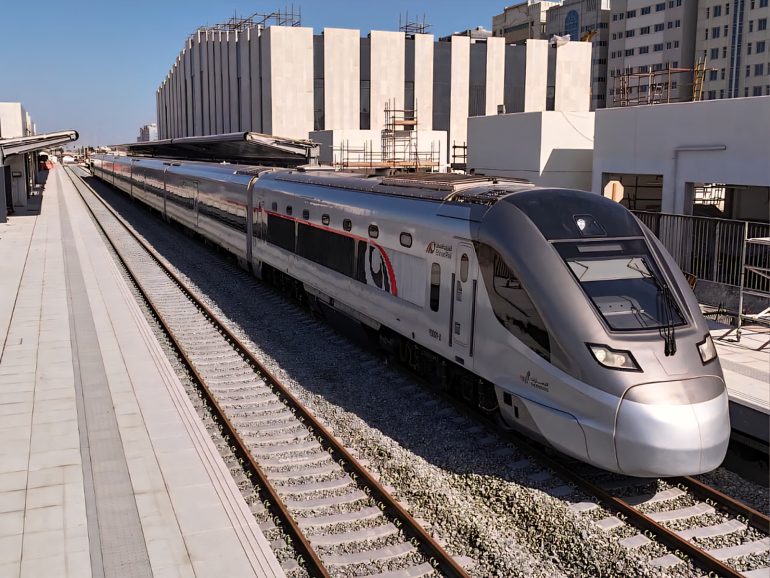

In a milestone echoing the vision of former Paraguayan President Carlos Antonio López in 1861, Paraguay formalised a strategic agreement with the United Arab Emirates (UAE). The partnership focuses on implementing the Commuter Train, described as the most significant urban mobility project in modern Paraguayan history. The initiative aims to transform public transport through electric and sustainable technology.
President Santiago Peña announced the creation of a Special Purpose Vehicle formed by Ferrocarriles del Paraguay S.A. (Fepasa) and Etihad Rail. The Emirati company brings over 900 kilometres of network experience and technical solvency supported by global investments exceeding US$11 billion.
Commuter Train on modernity and sustainability
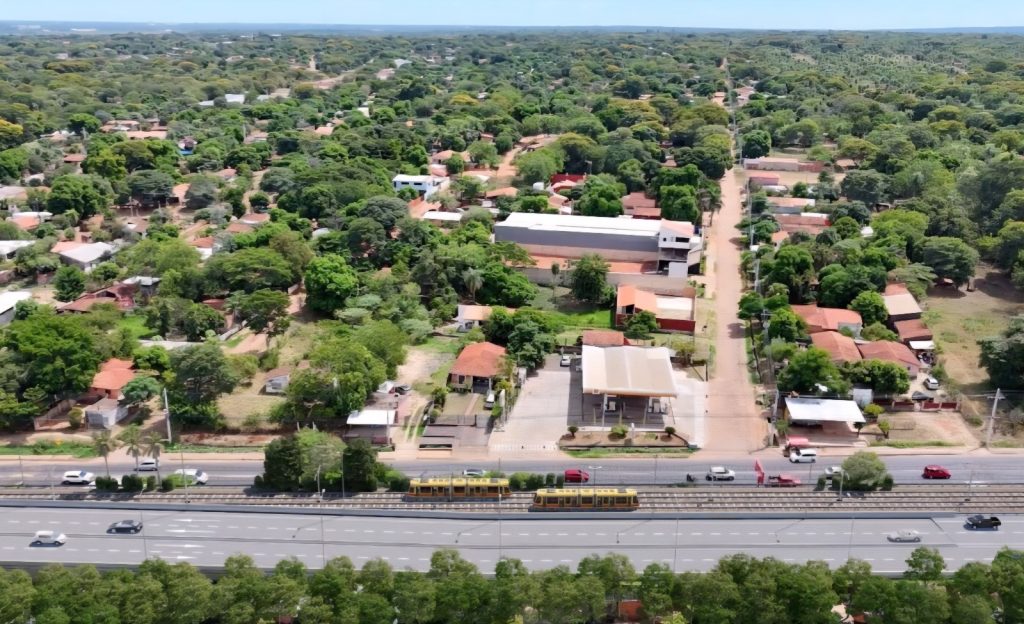
The Commuter Train will connect Asunción with Ypacaraí, spanning 44 kilometres, and will be implemented in phases. The initial stage will cover a 20-kilometre stretch to Luque, with gradual expansion planned across the metropolitan area. Once operational, the system will run 11 train units across 12 stations. Therefore, transporting an estimated 40,000 passengers per day, or 14 million annually. Powered by electric and renewable energy, the project aims to reduce emissions and ease chronic traffic congestion.
The project is expected to deliver significant socioeconomic benefits. Annual savings for users are projected at US$150 million in time and operating costs. While long-term social benefits could reach US$4.5 billion over 30 years. In addition, the initiative will act as an economic catalyst, generating nearly 20,000 jobs during construction. And once the system becomes operational, around 500 permanent positions.
The Commuter Train will operate under a 30-year concession with Etihad Rail, ensuring transparency and market-based costs. The partnership gives Paraguay access to advanced railway technology while maintaining state oversight through Fepasa. Feasibility studies are currently underway, and authorities estimate the system will be operational within 36 months.
Paraguay and the UAE: A strategic partnership on the rise
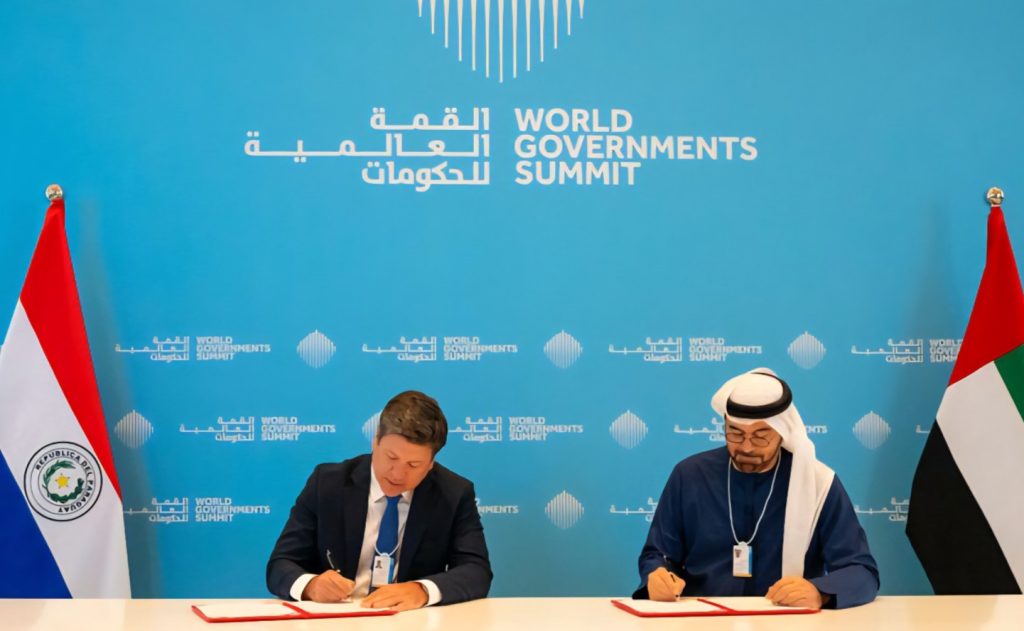
The project reflects nearly two decades of strengthening diplomatic and economic ties between Paraguay and the United Arab Emirates. With cooperation expanding into investment security, institutional development, and environmental initiatives. Joint work on carbon credits has become a key area of collaboration. Hence, underscoring a shared commitment to sustainable development and long-term economic planning.
Since formal relations were established, both countries have consolidated this partnership through legal and institutional frameworks. The reciprocal investment protection agreement signed in 2017 and the visa waiver introduced in 2018 have improved investor confidence and mobility. In parallel, exchange programmes focused on digital governance and airport management have supported Paraguay’s public sector modernisation efforts.
Bilateral trade has evolved alongside this broader cooperation. Paraguay remains a net importer of Emirati goods but continues to expand high-value exports, including soybean meal, oilseeds, Halal-certified frozen beef, pork, and dairy products. Imports from the UAE primarily include petroleum oils, iron, steel, fertilisers, and luxury goods. Paraguay’s strategic position within the bi-oceanic corridor complements the UAE’s role as a global logistics and financial hub, strengthening commercial links between South America and the Arab world.