

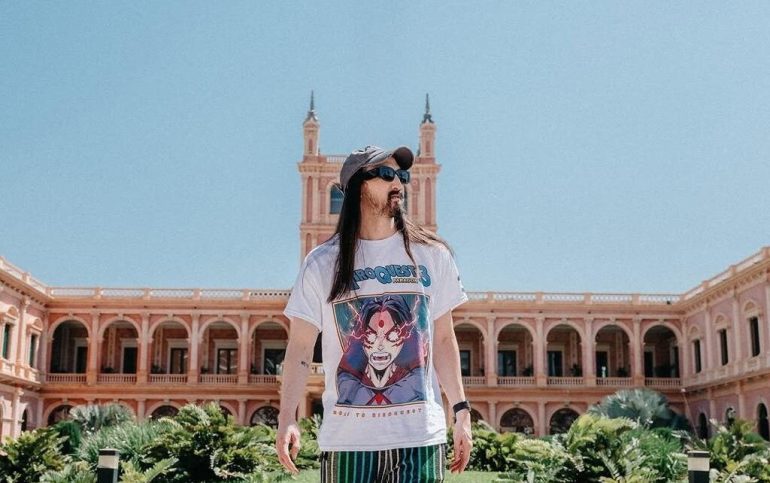

A curious pattern has emerged in recent years across Asunción and other Paraguayan cities. Global musicians arrive, perform, and then do something what some might find unexpected: they step into the streets. International artists explore Paraguay, and become tourists in a country most touring artists never truly see.
Artists like Led Zeppelin frontman Robert Plant and American rapper Machine Gun Kelly did it recently: They visited some of the most iconic neighbourhoods of Asunción. Moments not orchestrated by publicists. And these stars were not the only ones stepping off the stage, in between concerts to explore the city. The Asunción Times recaps Paraguay’s most famous artists exploring the country.
Paraguay Unplugged: The thinning bubble
Most touring musicians arrive wrapped in logistics, black vehicles, tinted windows, security teams, hotel rooms become isolation chambers. They perform and leave. The city becomes a backdrop, glimpsed from behind glass.
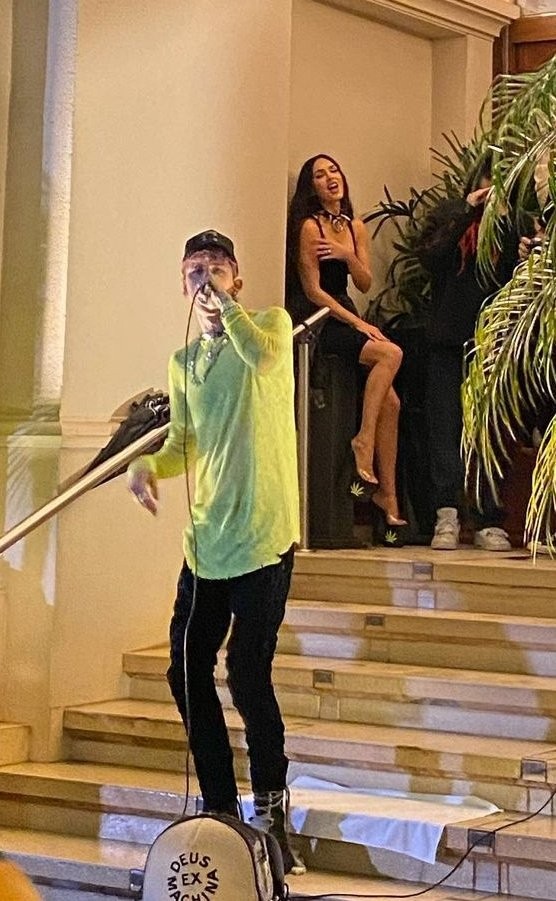
Paraguay’s experience differs fundamentally. The distance between artist and place is minimal. This openness defines the Star Map Paraguay phenomenon, a pattern where international artists explore Paraguay and Asunción’s streets with genuine curiosity.
When rapper Machine Gun Kelly and actress Megan Fox walked Asunción’s Costanera in March 2022, they were not in a secured corridor or private zone. The river, the heat, the crowds, the unplanned nature of the moment, all existed as they would for anyone else. This ordinariness is what made the encounter matter. The images that circulated online were not remarkable because the celebrities were famous, but because fame appeared incidental to what they were actually doing.
Steve Aoki’s Asunción Tour
American DJ Steve Aoki’s visit in January 2025 followed a similar trajectory. After performing at San Bernardino’s amphitheatre, he did not retreat to a hotel. Instead, he announced through social media that he was exploring Asunción, seeking locations for an interactive game through the city’s streets. He photographed himself at the Cathedral and in San Jerónimo’s painted neighbourhoods. In videos shared with followers, Paraguayan music played whilst he moved through ordinary streets.
This accessibility reflects something about Paraguay’s character: the presence of visitors generates curiosity rather than isolation. Artists encounter a place, and the place is genuinely there to encounter.
Beyond the concert stage
Keane, the English rock band, returned to Paraguay multiple times. Between performances and afterwards, band members moved through the city’s geography, engaging with both fans and spaces alike.
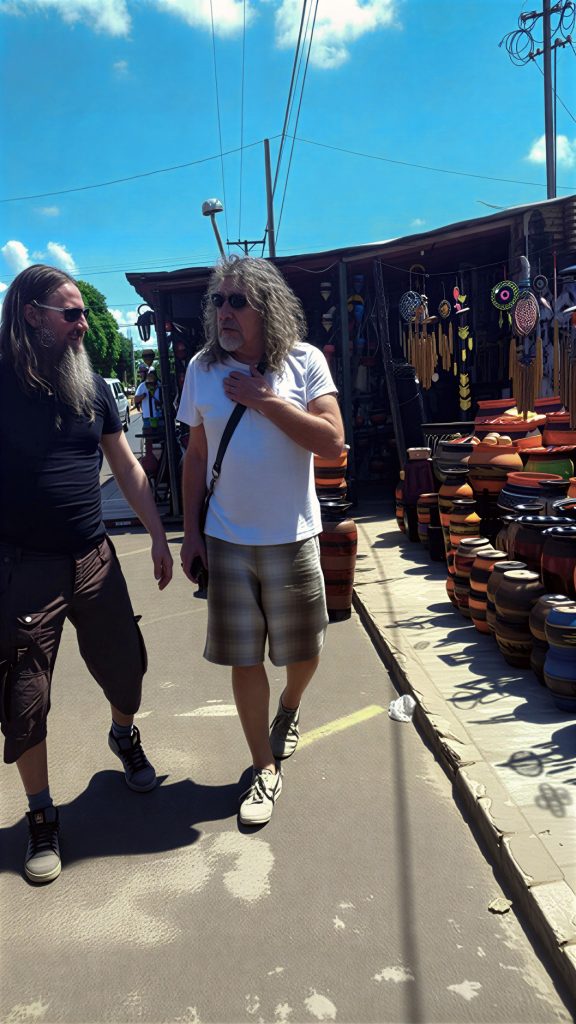
Robert Plant, the voice of Led Zeppelin, visited the city of Areguá and explored its colonial streets. Other musicians have been spotted in markets and neighbourhoods that rarely appear in tourist guides, places that matter to residents precisely because they function outside any official circuit.
These movements tell a different story about cultural tourism. Paraguay is not merely a stop on a continental tour. For some artists, it becomes a place worth knowing, worth walking through, worth returning to.
Paraguay in global culture
Paraguay’s presence extends beyond physical visits. The country has captured the imagination of international musicians in unexpected ways.
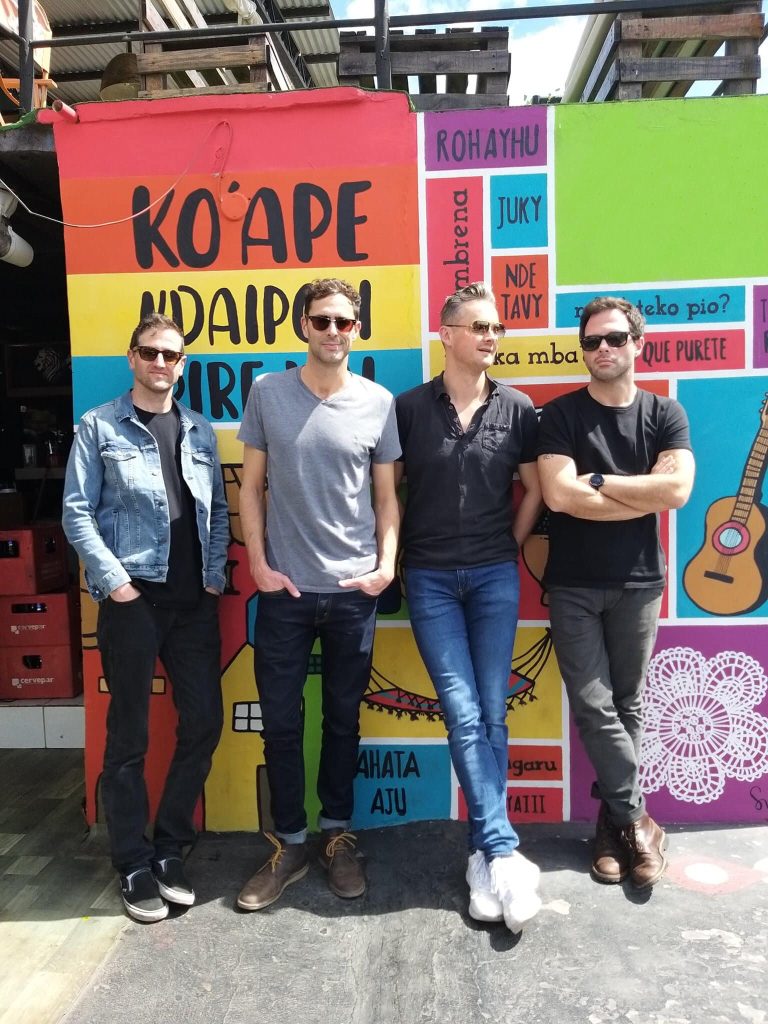
The American indie pop band The Ocean Blue visited Paraguay and were so moved by the country’s warmth that they composed “Paraguay My Love” as a tribute, evidence that Asunción and Paraguay’s cultural landscape inspire artists worldwide. The song appears on their album Kings and Queens/Knaves and Thieves, released in 2019.
Paraguay has inspired musicians who never stepped foot in the country as well. In 2004, Mark Knopfler, guitarist of Dire Straits, released “Postcards from Paraguay,” which describes the country as a refuge for those escaping conventional life. Two years later, Iggy Pop recorded “Paraguay,” reflecting on the country as a place to retreat from the pressures of modern existence.
These songs suggest something about how Paraguay functions in the global imagination, not as a famous landmark or tourist destination, but as a symbol of refuge, authenticity, and escape from the world’s chaos.
What makes Paraguay different
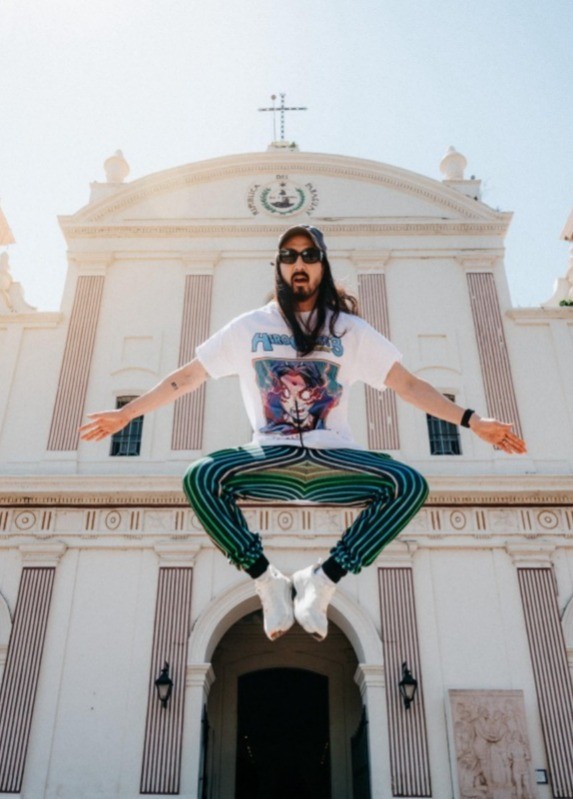
There is no fortress between visitors and the streets. There is no separation between the performer and the city. When Steve Aoki walked through the historic centre, he encountered fans spontaneously. These were not arranged meet-and-greets. They were genuine collisions between a famous person and a place.
This openness appears to matter to visitors. Aoki, who first visited Paraguay in 2018, returned in 2025. His expression on social media spoke not of obligation but of genuine enthusiasm. Musicians who visit sometimes return. This suggests something beyond contractual obligation, a real interest in the place itself.
The growing map of international artists that explore Paraguay
Each year, new names appear in these casual photographs. The Costanera at sunset. A café downtown. The painted walls of San Jerónimo. The historic centre’s uneven streets. These locations form an accidental cultural map, not of famous sights, but of moments where the boundary between being famous and being present dissolved.
For artists accustomed to controlled environments, Paraguay appears to offer something genuinely rare: a real experience of a place, rather than an experience filtered through a security apparatus.
This leaves a simple question: if Paraguay were to surprise visitors next, who would you like to encounter on the Costanera, in San Jerónimo, or in a random café downtown?
Because here, stars do not just perform. Sometimes, they get lost. And perhaps that is the most distinctly Paraguayan thing of all.
Read Next: How Iggy Pop’s “Paraguay” inspired an American leader to relocate to the country.


Oh nooo! I didn’t know Steve Aoki was visiting PY last year!!! :'(