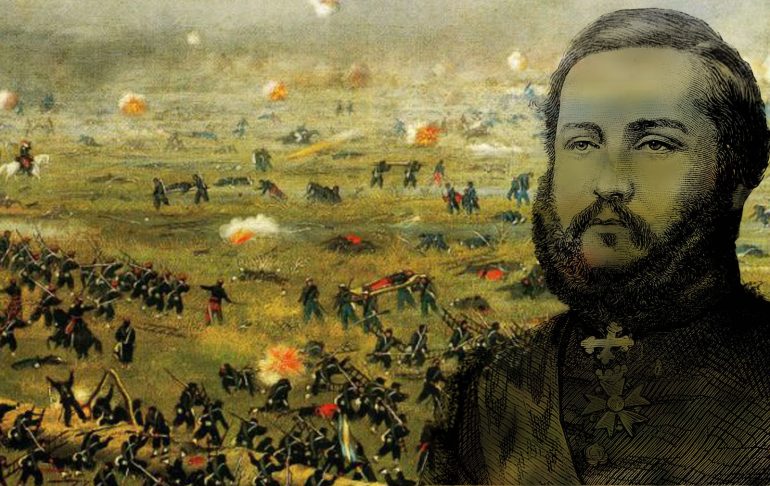

Every 1 March, Paraguay comes to a pause. Schools, offices, and public institutions close, flags are raised, and official ceremonies take place nationwide. For many Paraguayans, the date carries strong symbolism and a deep sense of remembrance. For those unfamiliar with local history, however, a national holiday on 1 March may seem unusual.
1 March is the National Heroes’ Day, a public holiday that commemorates one of the most decisive and traumatic moments in Paraguayan history: the War against the Triple Alliance and its conclusion in 1870. The date also marks the death of Marshal Francisco Solano López, president and commander-in-chief of Paraguay at the time.
1 March, 1870: The end of a devastating war
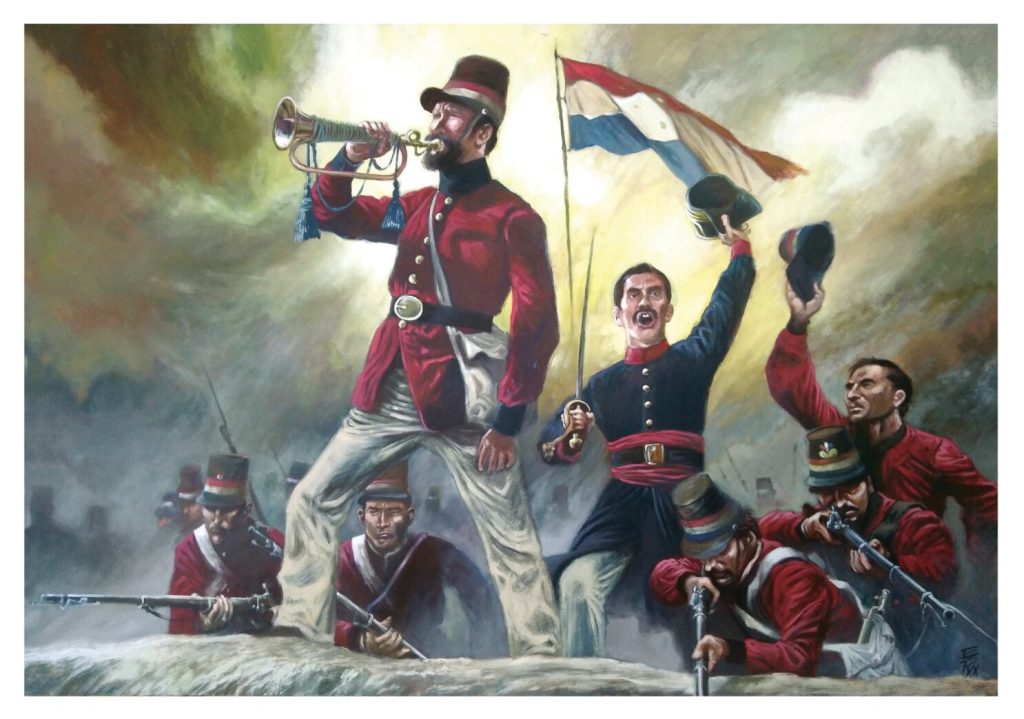
The War against the Triple Alliance (1864–1870) pitted Paraguay against a coalition formed by Brazil, Argentina, and Uruguay. This war remains as one of the bloodiest conflicts in South American history. The aftermath left Paraguay economically devastated and with a drastically reduced population.
On 1 March 1870, Paraguayan forces were finally cornered after years of pursuit at the Battle of Cerro Corá, in the northeast of the country. The defeat was decisive. Marshal Solano López was killed, bringing the war to a definitive end.
For Paraguay, the date represents not only a military defeat. This date also represents the conclusion of a national catastrophe. A catastrophe whose consequences were felt by every sector of society and shaped the country for generations. Many historians agree that the war set Paraguay’s development back by decades.
Why honour defeat?
From an external perspective, commemorating the end of a lost war as a national holiday may seem unusual. In Paraguay, however, 1 March is less about victory and more about sacrifice, resistance, and memory.
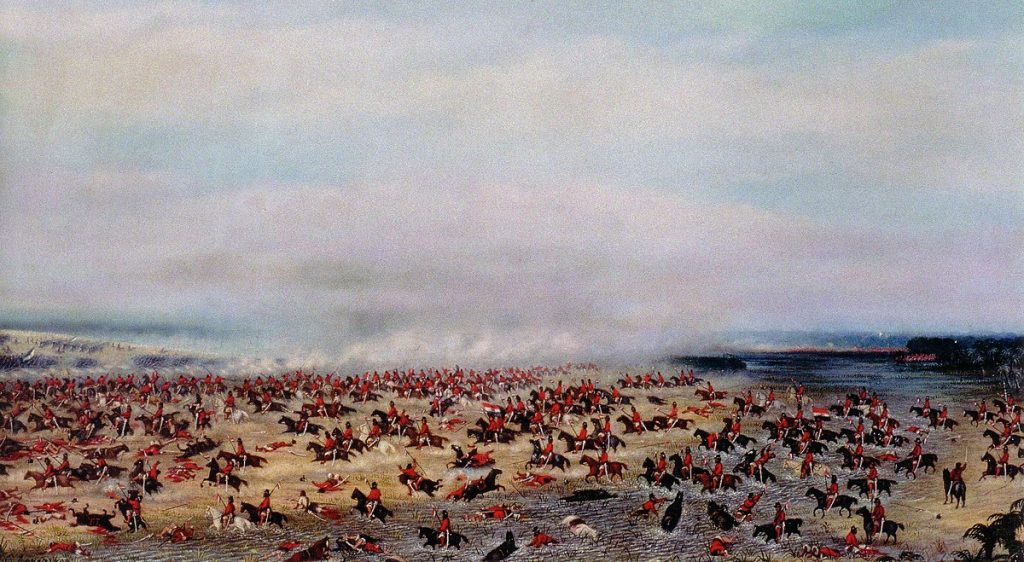
National Heroes’ Day honours not only Solano López, but also the thousands of soldiers who fought until the very end. During the final stages of the conflict, many of them were young or elderly, untrained, poorly equipped, and heavily outnumbered. Over time, the date came to symbolise endurance in the face of overwhelming odds. This is a recurring theme in Paraguayan history, also evident during the Chaco War (1932–1935).
Rather than celebrating triumph, the holiday reflects a collective act of remembrance for those who died defending the country, as well as recognition of the profound social trauma left by the war.
A figure still debated
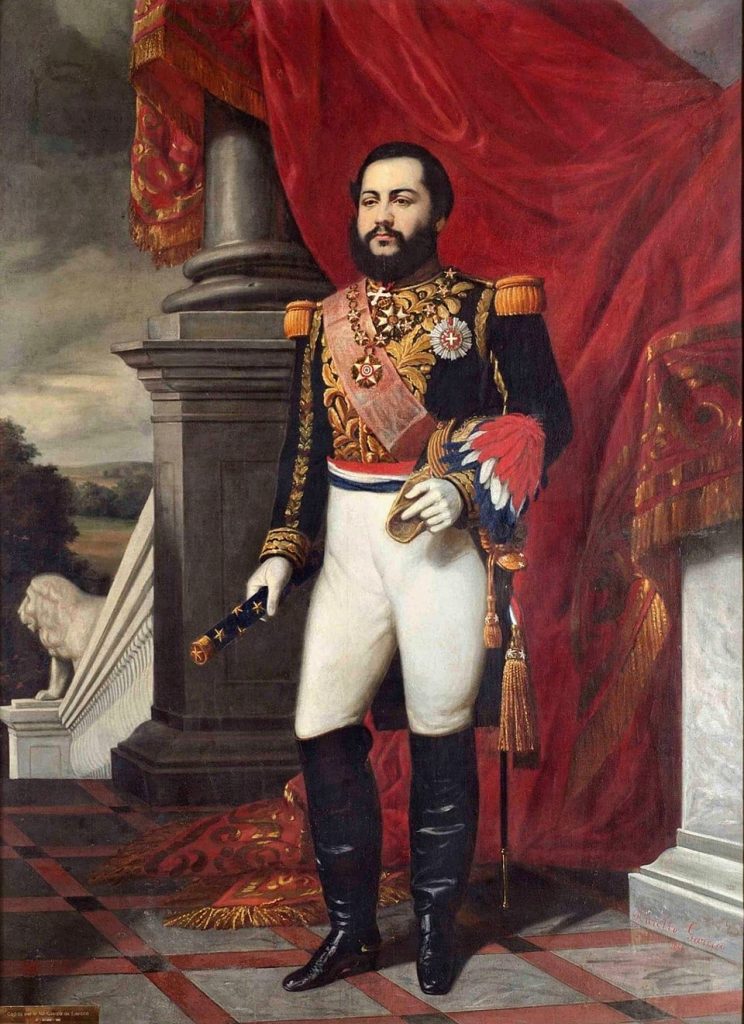
Marshal Francisco Solano López remains one of the most controversial figures in Paraguayan history. Some regard him as a national hero who resisted foreign intervention until his final moments. Others criticise his leadership and the decisions that led the country into a disastrous conflict.
1 March does not resolve this debate. Instead, it keeps it alive. The holiday invites reflection, discussion, and historical re-examination, rather than offering a single, closed narrative.
How 1 March is observed today
Today, on National Heroes’ Day, there are official ceremonies, military tributes, and civic acts. Many of these take place at symbolic sites such as the National Pantheon of Heroes in Asunción. Schools and media revisit the history of the war, while historians and journalists use the occasion to reassess its legacy and broader lessons.
When the date is on a weekend, the holiday can be moved to a weekday. This reinforces its role not only as a moment of remembrance, but also as a fixed point in the national calendar. The pause from routine also creates space for reflection, allowing history to be discussed away from daily pressures.
More than a date on the calendar
For Paraguayans, 1 March is not simply a day off. The date serves as a reminder of a crucial and formative moment in the country’s past. One moment that explains much about its demographic scars, political history, and strong attachment to memory and national sovereignty.
For those unfamiliar with Paraguay’s past, understanding why the country honours a moment of loss offers valuable insight into how the nation relates to history. Not through easy victories or comfortable narratives, but through resilience, sacrifice, and the enduring weight of collective memory.