
Every 26 January, the world observes the International Day of Clean Energy. This date is dedicated to raising awareness and mobilising action towards a just and inclusive transition to sustainable energy systems. While many countries are still transitioning towards the use of renewable energy, Paraguay stands out as a nation that has already built its energy system around clean and renewable sources.
Declared by the General Assembly (Resolution A/77/327), 26 January serves as a reminder that clean energy should benefit both people and the planet. In the case of Paraguay, the country generates nearly all of its electricity from clean, renewable sources, primarily hydroelectric power, making it a strong example aligned with the spirit of this day.
On International Clean Energy Day, we explore how renewable energy plays a central role in Paraguay’s development.
Paraguay’s clean and renewable sources
Hydroelectric plants such as Itaipú, Yacyretá, and Acaray allow Paraguay not only to meet its domestic energy needs but also to export surplus electricity to neighbouring nations.
The Itaipú Dam, located on the border between Paraguay and Brazil, is one of the largest hydroelectric power plants in the world. It has an installed capacity of 14,000 megawatts (MW), a height of 196 metres, and 20 generating units. The plant is responsible for generating around 17% of the electricity consumed in both countries. It is also a major source of income, generating approximately US$1.5 million per year.
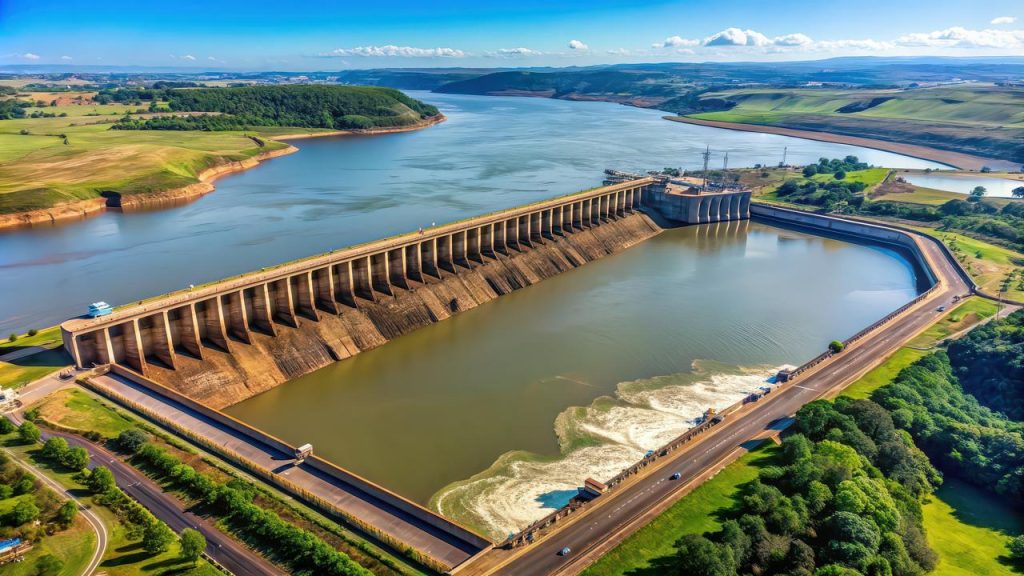
The Yacyretá Dam is located on the Paraná River, approximately 80 km west of the cities of Encarnación (Paraguay) and Posadas (Argentina). It is also one of the largest hydroelectric dams in Latin America, with an installed capacity of 3,200 MW and 20 turbines. This dam contributes a small portion of Paraguay’s electricity, with the majority of its generation supplied to Argentina under the terms of the binational agreement.
The Acaray Dam is located in Hernandarias, in the department of Alto Paraná, near the confluence of the Acaray and Paraná rivers and a short distance from the Itaipú Dam. It has a total reservoir capacity of 300 cubic hectometres (hm³) and an installed capacity of 210 megawatts (MW). It is an important hydroelectric power plant in Paraguay and has been operated by ANDE since 1968.
Paraguay’s energy demand in 2025
Electricity demand in Paraguay grew by 12.5% in 2025 compared to 2024, marking the second-largest increase recorded over the past decade. During the year, total electricity consumption reached 29,419 GWh, supplied predominantly by hydroelectric power plants, distributed as follows:
- Itaipú Binacional: 25,768 GWh (87.6%)
- Yacyretá: 3,081 GWh (10.5%)
- Acaray Hydroelectric Power Plant: 570 GWh (1.9%)
Recent milestones in renewable energy development
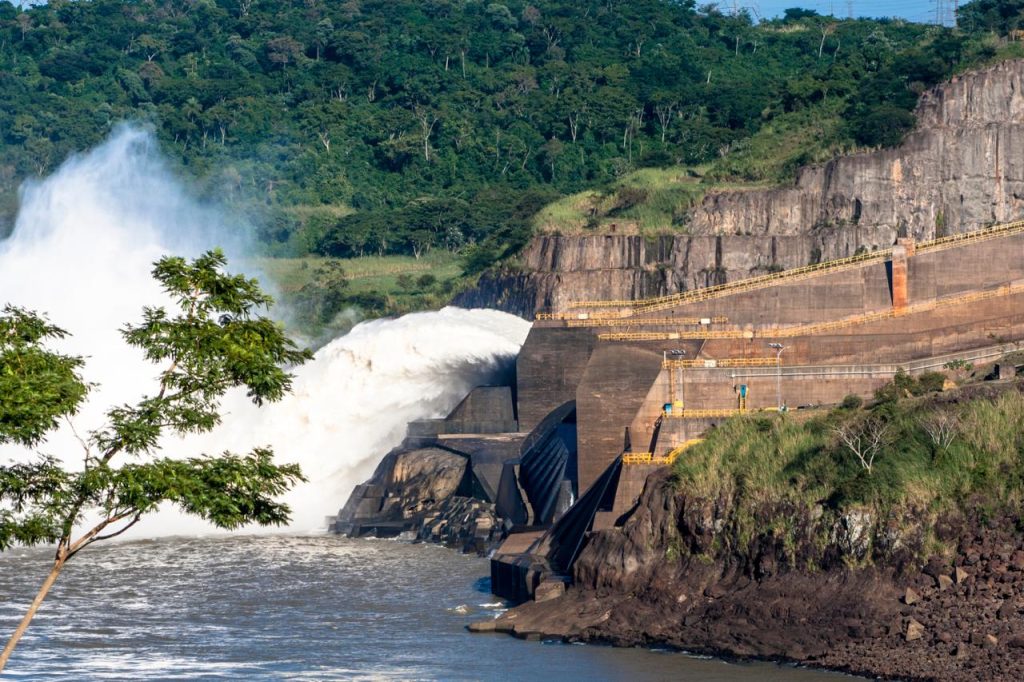
Paraguay’s commitment to renewable energy continues to grow. Last year, Itaipú Binacional began energising its first floating solar energy plant in Paraguay. Beyond its 1,584 bifacial panels and maximum capacity of 1,116 kilowatts (kWp), the project serves as a pilot initiative to evaluate the integration of solar energy with existing hydroelectric infrastructure. This approach allows power generation to continue during periods of high energy demand and low water levels.
Similarly, Paraguay has also launched its National Strategy for the Green Hydrogen Economy. This initiative aims not only to reduce carbon emissions but also to position the country as a future exporter of green hydrogen, using its abundant renewable electricity to power production. At the same time, the strategy highlights green hydrogen as a key opportunity for industrial innovation, energy diversification, and long-term economic growth.
Together, on International Day of Clean Energy these initiatives demonstrate Paraguay’s position as a global leader in clean energy.
Future challenges ahead
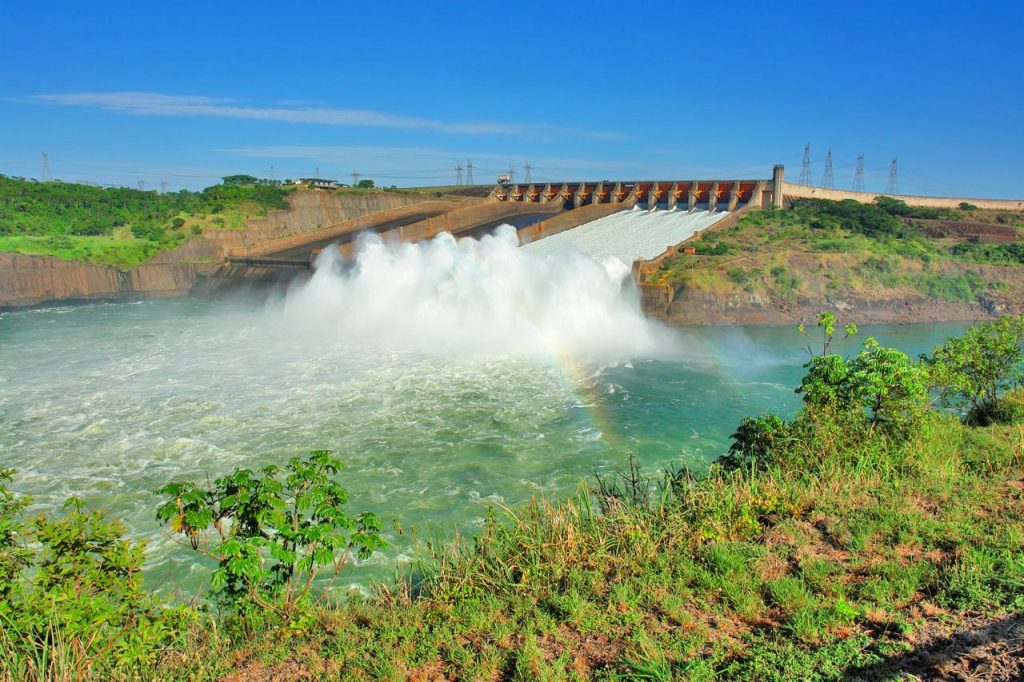
As Paraguay depends almost exclusively on hydroelectric power, the country faces challenges related to the limited diversification of its energy matrix and its vulnerability to climate factors, such as droughts and variations in river flow. In addition, a significant portion of the energy produced, particularly at Itaipú and Yacyretá, is committed under binational agreements, which limits its availability for domestic consumption.
It is therefore safe to state that Paraguay faces significant challenges in the years ahead. Projections indicate that by 2030 the country could encounter saturation within its electricity system, leading to difficulties as demand begins to exceed available supply.
For this reason, the diversification of renewable energy sources emerges as a key pathway for Paraguay, as it would help relieve pressure on the hydroelectric system, reduce vulnerability to climatic factors, and strengthen the country’s energy security.