

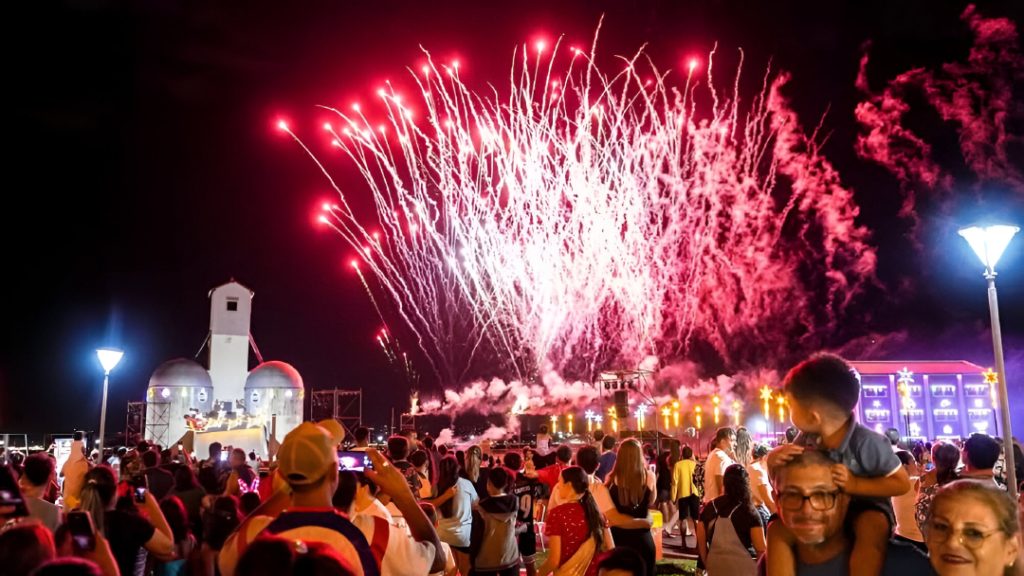
With 2026 just around the corner, many New Year’s Eve traditions and rituals can only take place on this day. As in every country, there are different ways of spending the last hours of December, ideally surrounded by family and friends, sharing dinners, conversations, and celebrations.
In Paraguay, for example, not only is the Christmas tree traditionally set up on 8 December, but the Nativity scene as well. Christmas has many rituals and customs, especially in a country where traditions remain deeply rooted. But what happens on New Year’s Eve? What should you do after midnight? And which traditions are the most common?
The most common traditions
Although for many Paraguayans Christmas is celebrated more intensely than New Year’s Eve, mysticism and popular beliefs are strongly linked to the arrival of the new year. The evening usually follows a similar structure to Christmas Eve: a family dinner, often accompanied by asado and dishes such as vitel toné, followed by drinks and a toast at midnight, although without the exchange of gifts.
The main difference comes after the clock strikes twelve. Many of these traditions did not originate in Paraguay, but arrived from other parts of the world or from neighbouring countries, eventually becoming part of local celebrations.
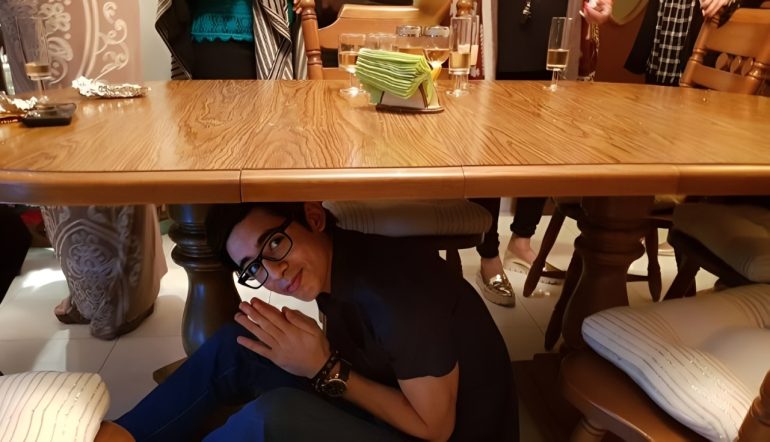
The first moments of the new year… Under a table
One of the most well-known customs is spending the first moments of the new year under a table. According to popular belief, doing so is said to attract love or a romantic partner in the coming year. So if you see someone hiding under a table at midnight, they are not being strange; they are simply hoping for love. You may even consider joining them if you share the same wish.
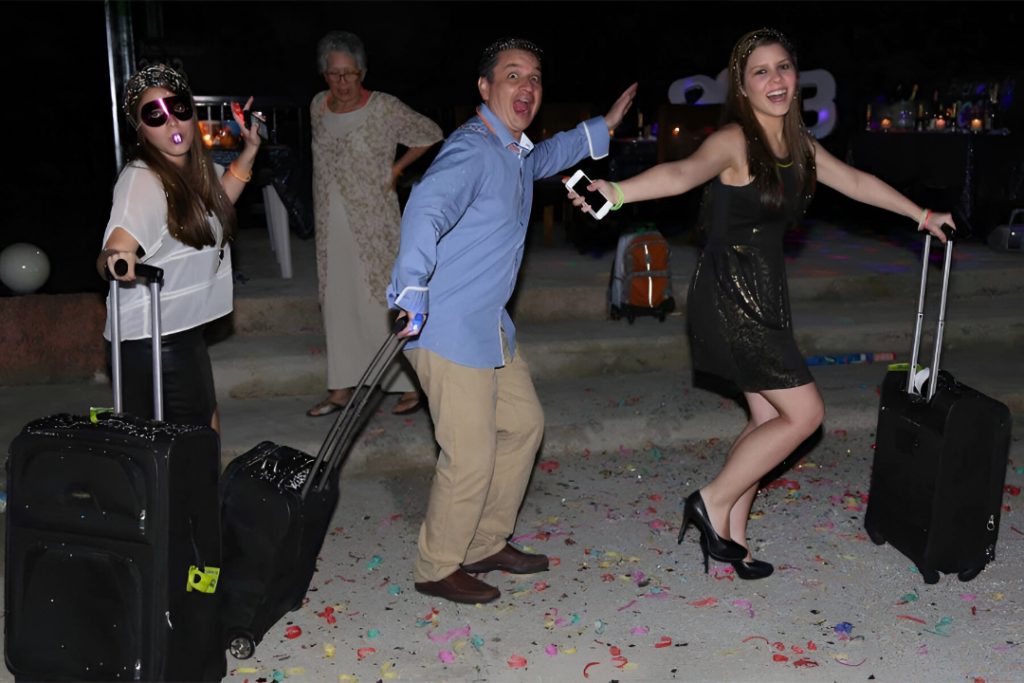
Another common ritual involves grabbing a suitcase or luggage at midnight and walking across the street. This is to attract travel and new journeys throughout the year. Some people even think that the longer the walk, the farther they will travel.
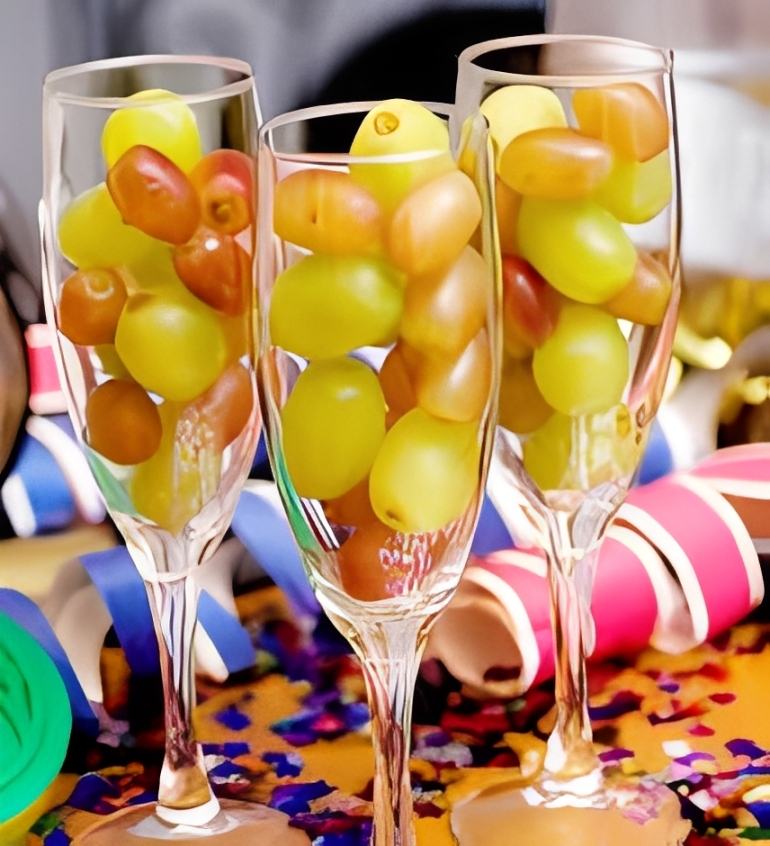
In many families, is common to eat 12 grapes as soon as the clock hits. This is a tradition that comes from Spain, where 12 grapes are eaten with 12 chimes. In Paraguay, despite no chimes, people eat the 12 grapes in no particular order or speed as a way to welcome the new year. With every grape, a wish is made for each of the months of the year.
Other traditions
Some people thoroughly clean the house in the afternoon. The meaning? to symbolically remove the negative aspects of the year that is ending. This is done in order to leave room for good things to arrive. Cleaning after midnight, on the other hand, is considered by some to be “sweeping away good luck.”
When it comes to money, many believe that keeping large bills in their wallet or pocket will attract financial abundance. Some even toast while holding banknotes, saying it is so money will not be lacking in the year ahead.
Traditions related to clothing
New Year’s Eve is often associated with dressing well and toasting with champagne. Wearing new clothes is believed to symbolise renewal and fresh beginnings. This practice is common throughout the country. If new clothes are not an option, wearing elegant or special outfits is thought to fulfil the same purpose.
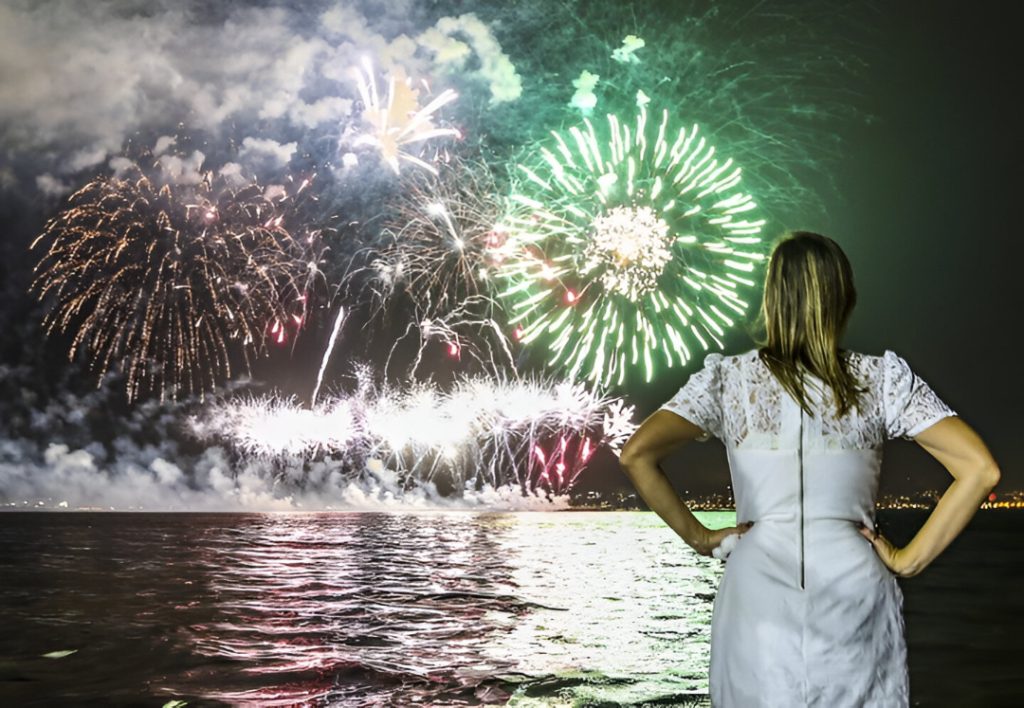
Colours also play an important role. White is one of the most popular choices. This tradition comes from Rio de Janeiro, where white is worn to welcome the new year. However, many Paraguayan families also do it as a symbol of peace and renewal.
The colours of New Year’s Eve in Paraguay are not magical guarantees, but rather a symbolic way of expressing hopes and intentions. They do not promise results, but they help people start the year with a clear mindset.
A moment to close and begin again
Beyond rituals and beliefs, New Year’s Eve in Paraguay is, above all, a moment to say goodbye to the year that ends and welcome the one that begins. Families gather around the table, glasses are raised, and the final seconds are counted together. There are hugs, wishes, fireworks in the distance, and the shared hope that the coming year will bring peace, health, and good moments.
Whether under a table, holding a suitcase, dressed in white, or simply surrounded by loved ones, the most important tradition remains the same: receiving the new year together, in peace, with joy, and with the warmth of family and celebration.

