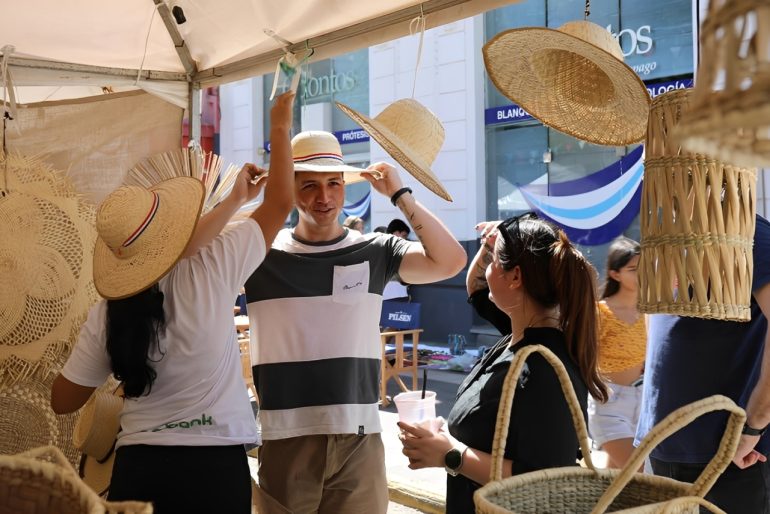

Paraguay’s linguistic landscape is often described as exceptional, but a recent academic study explains exactly why. New research on bilingualism in Paraguay examines how centuries of coexistence between Guaraní and Spanish have shaped a distinctive local variety of Spanish that is still heard across the country today. Arnaldo Casco Villalba, Director General of Linguistic Research at the Secretariat of Language Policies, presented the study.
The interaction between Guaraní and Spanish, far from being marginal, affects everyday speech. This interaction also shapes identity and public life, positioning Paraguay as a key case study in global linguistics.
Five centuries of shared language history
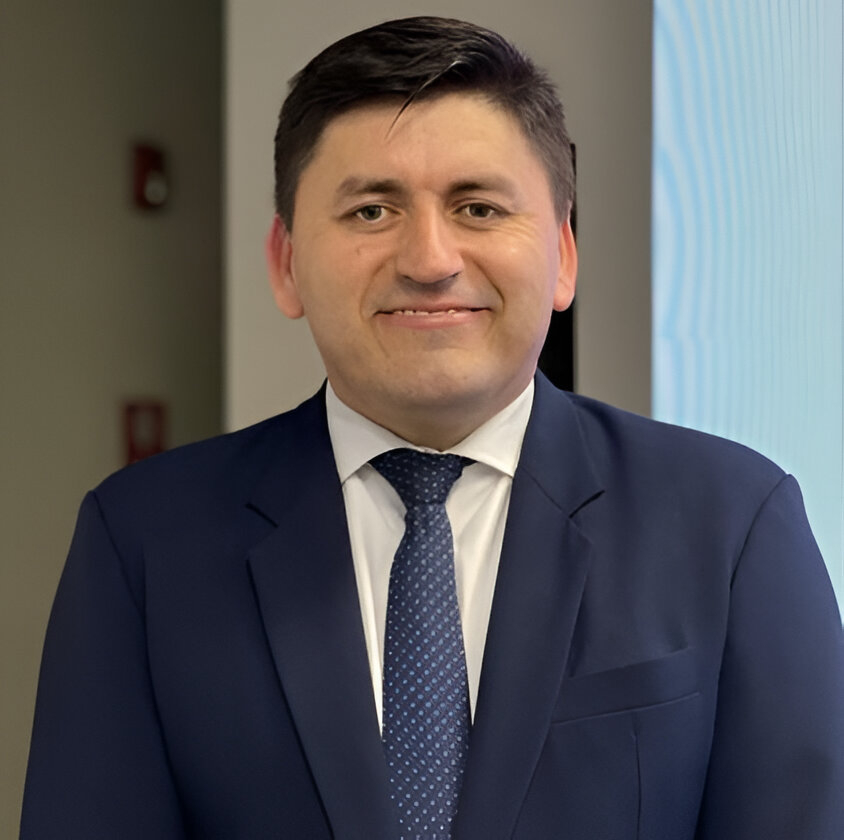
Arnaldo Casco Villalba’s research study analyses Paraguayan Spanish as a product of nearly 500 years of sustained contact with Guaraní, beginning in 1537.
Paraguay stands out as one of the few countries with socially widespread bilingualism. Around 70% of the population uses both Guaraní and Spanish. According to the author, cultural, social, and religious factors during the colonial period made this continuity possible, allowing the Guaraní language to survive and remain socially relevant.
Casco Villalba also points to modern public policies that strengthened bilingualism. These include the 1992 Constitution, the bilingual education reform introduced in 1994, and the Languages Law passed in 2010.
Changing language use, lasting influence
The study presents recent data showing shifts in language use. Exclusive Guaraní use declined from 27.7% in 2002 to 12.1% in 2022. At the same time, Guaraní–Spanish bilingualism increased significantly.
Despite this change, Guaraní remains the country’s majority language. However, its relationship with Spanish operates within a diglossic framework. Spanish dominates formal contexts such as education, administration, and media, while Guaraní remains strong in informal and community settings.
From Guaraní structure to everyday Spanish
A key section of the article explains how Guaraní’s linguistic structure influences Paraguayan Spanish. Guaraní is an agglutinative language, using morphemes to build meaning. The Guaraní language has 33 graphemes, no silent letters, and a strong emphasis on nasality.
These features affect Spanish pronunciation and grammar in Paraguay. The study highlights phonetic elements such as vowel lengthening and the loss of final consonants, as well as morphosyntactic traits like double possession, double negation, and variations in gender or number agreement.
Lexically, Guaraní is deeply embedded in colloquial Spanish. Discourse markers and particles such as pa, piko, and pio are widely used in questions and exclamations, giving Paraguayan Spanish a recognisable rhythm and tone.
A linguistic case with global relevance
Casco Villalba concludes that Paraguayan Spanish is not a “deviation” from standard Spanish, but a rich and legitimate variety shaped by continuous contact with Guaraní. The language uniqueness lies precisely in this interaction.
For linguists, Paraguay offers a living example of how languages can coexist, influence one another, and remain socially meaningful. For locals, it is a reminder that bilingualism is not just a policy or statistic, but a defining part of everyday life and national identity.