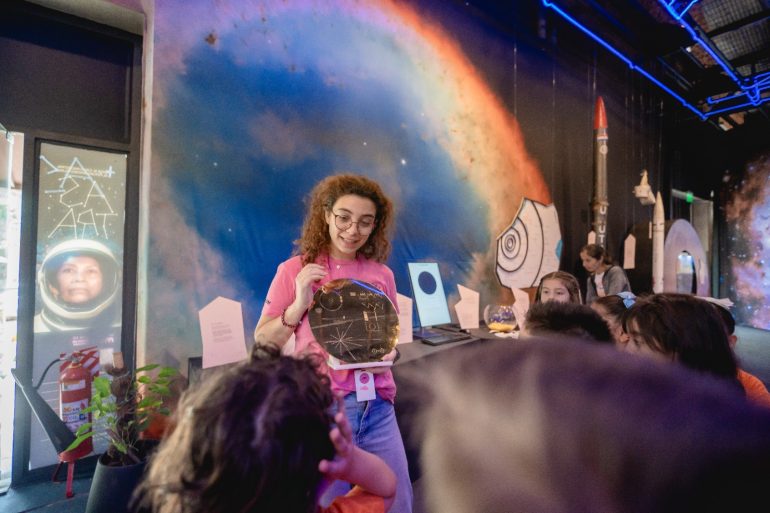

As temperatures rise in Asunción, the Museo de Ciencias (MuCi) in Paraguay’s capital invites families, students, and curious minds to explore the universe. Throughout December, the museum blends astronomy with creativity and festive traditions. A new summer schedule and special programming promise great experiences for all ages.
A summer schedule guided by the stars
MuCi now opens from Thursday to Sunday, between 14:00 and 20:00, welcoming visitors into cooler, curiosity-filled afternoons. On Saturdays, an extra planetarium function runs at 20:00 inside the San Cosmos. This extended timetable allows more people to enjoy the museum during school holidays and warm evenings.
The main attraction of the month is ASTRA, an immersive exhibition inside the TatakuaLab (Clay Oven Lab). Visitors travel through astronomy, from the worldviews of ancestral cultures to modern theories of extraterrestrial life. Science, history, and imagination meet through interactive spaces, creating a memorable journey through the cosmos.
The exhibition also carries a celebratory tone, accompanying the farewell to 2025. Lights, stories and constellations reflect both scientific discovery and the magic of the season. Families are encouraged to explore together and rediscover their sense of wonder.
Workshops, stories, and festive science
The programme begins on Thursday, 4 December, with ‘Un arbolito entre las estrellas’ (A Little Tree Among the Stars), a creative workshop from 15:00 to 17:00. Participants will design cosmic decorations inspired by planets and constellations. These creations will brighten the ASTRA exhibition tree.
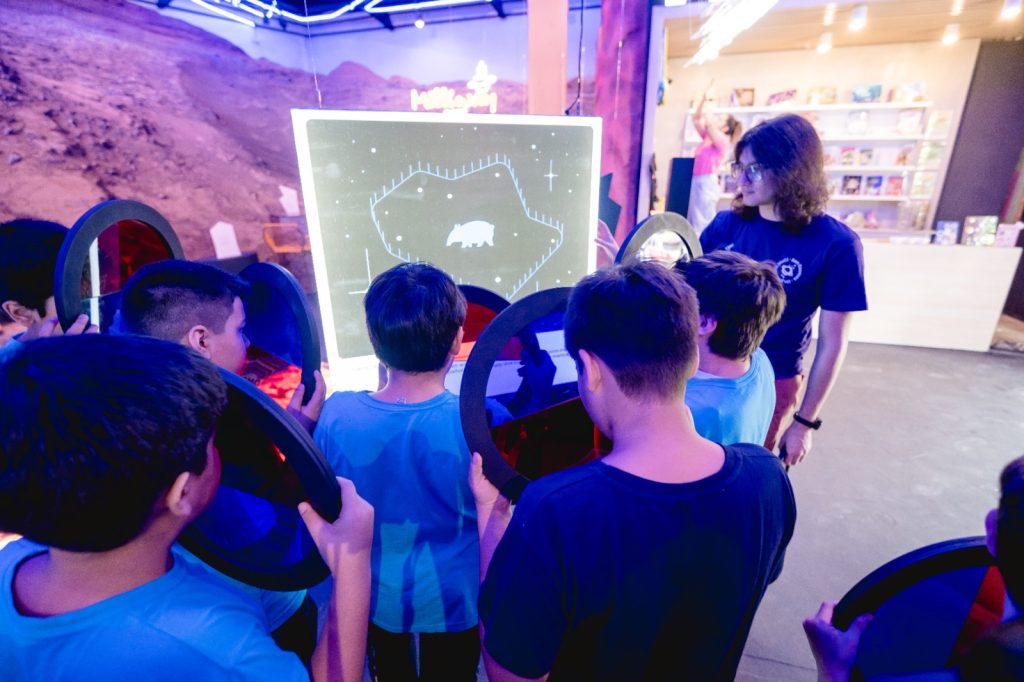
On Saturday, 6 December, science becomes practical and artistic. Between 15:00 and 17:00, visitors can build their own rockets during Manos a la obra: cohetes espaciales (Hands to Work: Space Rockets). Later, master artisan Marcos Esquivel guides two sessions of Qué lindo tu pesebre (What a Lovely Nativity Scene), a wood-carving workshop for nativity figures.
Mid-month, science takes a delicious turn. On Saturday, 13 December, the Laboratorio de galletitas (Cookie Laboratory) combines baking with experimentation. From 18:30 to 20:30, participants discover how chemistry hides inside every festive recipe.
Stories and exploration continue weekly at the TatakuaLab. Thursdays include storytelling sessions and scientific mysteries for young researchers. Fridays bring Experiviernes (Experiment Fridays), revealing the science behind everyday life. Saturdays offer Tereré y Naturaleza (Tereré and Nature), inviting bird observation in a relaxed outdoor setting.
Sundays, meanwhile, are for insect lovers. During Domingos Bicheros (Bug Sundays), visitors can observe live insects and learn about their hidden worlds. These recurring activities transform each visit into a new scientific adventure.
Camps, gardens, and the planetarium experience
With support from Conacyt, MuCi hosts two mornings of a scientific holiday camp at the weekend of 6 and 7 December. Young participants enjoy free access to ASTRA, live experiments, and birdwatching sessions. Still, registration is required through the museum’s official channels.
The museum gardens also become a learning space. On Fridays, 5, 12, and 19, the “Po Prendé” Gardening Club meets to design and prototype themed gardens. This initiative encourages environmental awareness and creativity among participants.
Astronomy lovers should not miss the evening of Saturday, 20 December. From 18:30 to 21:00, the MuCiTrón megatelescope will be set up for public observation of Saturn. The occasion is an opportunity to witness the planet’s beauty with the naked eye and guided explanations.
Going to Mars
Inside the San Cosmos planetarium, visitors can enjoy a rich selection of shows. Titles include Mars: The Ultimate Voyage, Beyond the Sun, and Our Interstellar Neighbourhood: The Solar System. These experiences immerse audiences in distant worlds from the comfort of a dome.
The new Astro Escuela also opens its doors on December 6, 13, and 20. Between 18:30 and 21:00, participants learn both theory and practice in sky observation. The workshop is ideal for beginners and passionate skywatchers alike.
To ensure inclusive access, MuCi continues its Hora tranqui (Quiet Hour) every Saturday and Sunday from 14:00 to 15:00. This quieter time supports visitors with neurodivergence, creating a more comfortable environment.
For full details and registration, visit the MuCi website.