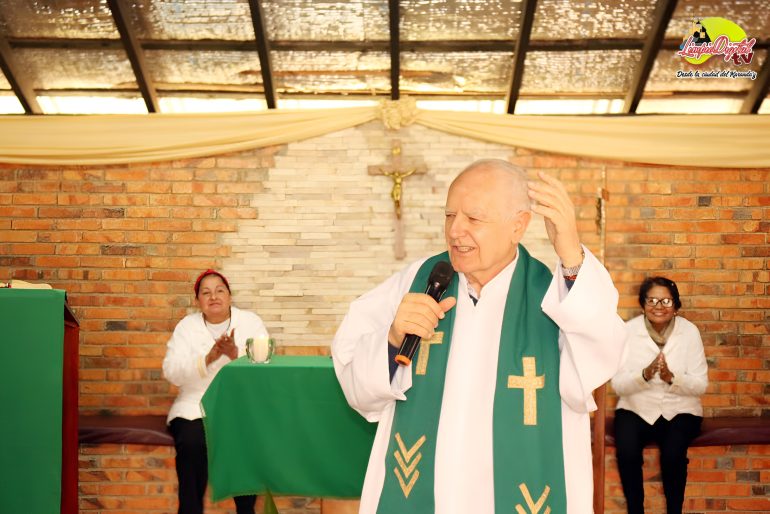

Beloved Salesian priest and anthropologist José Zanardini passed away on 19 January 2026. While his name may be unfamiliar to many readers, his work quietly shaped how Paraguay approaches Indigenous education and cultural preservation. For decades, he lived and worked in remote regions rarely seen by visitors. His legacy offers important insight into the country beyond Asunción.
Father Zanardini became a bridge between Indigenous communities and national institutions. He helped transform education access in isolated areas. Moreover, his research influenced public discussions on human rights and inclusion. Understanding his impact helps explain Paraguay’s social landscape today.
A European who dedicated his life to the Chaco
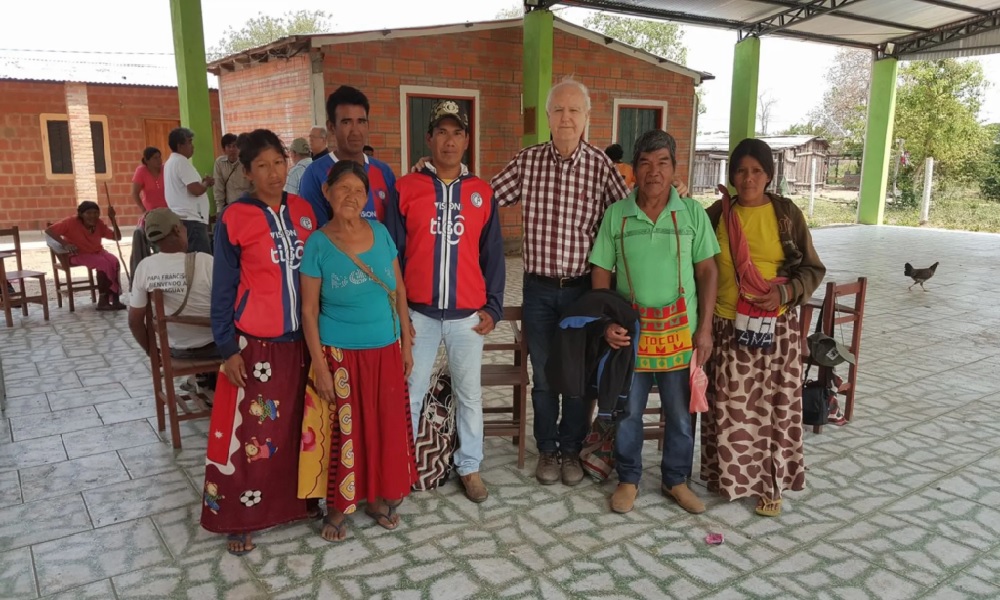
Originally from Italy, Father Zanardini arrived in Paraguay in 1978. He soon began working in the Chaco, a vast semi-arid region covering much of western Paraguay. The area is home to several Indigenous groups. His early collaboration with the Ayoreo people shaped his lifelong commitment. He focused on intercultural education and community development. In addition, Father Zanardini supported projects that strengthened local leadership and self-management. These initiatives reduced dependence on external aid.
Father Zanardini helped establish schools in remote villages with limited infrastructure. He also trained Indigenous teachers to lead their own classrooms. Several educational books were produced in local languages. This approach protected cultural identity while improving literacy. For many years, he lived among the communities he served. He was even adopted into an Ayoreo group through a traditional ritual. Many locals affectionately called him “Pa’i José,” meaning Father José in Guaraní.
Linking academic research with real communities
Father Zanardini’s academic background was unusually diverse. He held degrees in chemistry and engineering before turning to philosophy, theology, and anthropology. This multidisciplinary training shaped his practical approach to social research. He taught at leading Paraguayan universities and trained future educators and researchers. His work helped document Indigenous languages, traditions, and social organisation. As a result, many of these records remain valuable resources today.
Beyond academia, he served as a parish priest near Asunción. His public work often promoted dialogue between cultures and social sectors. Religious leaders, scholars, and Indigenous representatives all gathered to honour his passing. In recent days, social media personality Nathan, widely known as Yankiguayo, also paid tribute to Father Zanardini. He recalled the priest’s humility and the guidance he received while working on a historical project. This response reflected his ability to connect very different worlds.
Why José Zanardini matters
For anyone living in Paraguay, Father Zanardini’s story offers a deeper view of the country’s diversity. Paraguay is often perceived through business, migration, or investment trends. However, Indigenous communities remain central to its cultural identity and social challenges. Jose Zanardini’s work illustrates how long-term commitment can produce sustainable change. Education, language preservation, and community leadership remain critical issues today. Many development projects still follow models he helped establish.
Although Father Zanardini avoided publicity, his influence continues across education and social policy. His legacy reminds residents and visitors alike that Paraguay’s future depends on inclusion and mutual respect.