
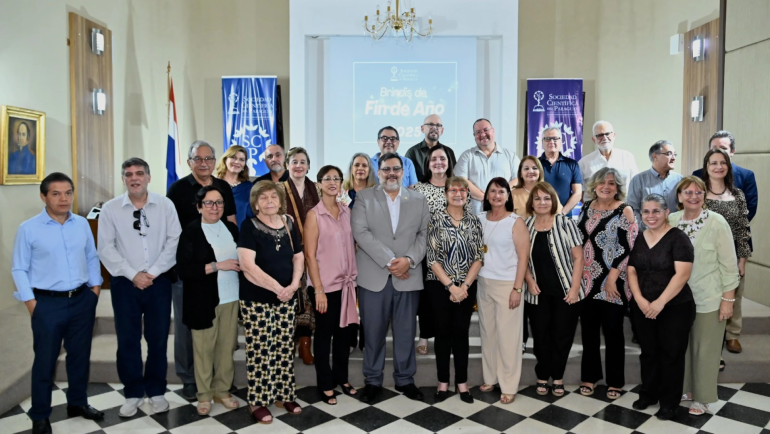

For more than a century, the Paraguayan Scientific Society has shaped national research and intellectual development. On 9 January, the institution marked its 105th anniversary. The society remains one of the country’s oldest and most respected scientific organisations. Its legacy reflects a long-term commitment to education, innovation, and public knowledge.
A historic foundation in Paraguayan science
The Paraguayan Scientific Society was founded on 9 January 1921. The initiative came from Dr Andrés Barbero Crosa. Its original mission focused on promoting scientific development across Paraguay. From the beginning, it aimed to strengthen academic research and public understanding. Several prominent intellectuals supported the project. Among them were Arnoldo Winkelried Bertoni and Guillermo Tell Bertoni. Luis Migone, Manuel Domínguez, Pedro M. Rodríguez, and Rodolfo Ritter also contributed. Together, they built the foundations of a lasting national institution.
Since June 1921, the Society has published the Journal of the Paraguayan Scientific Society. The publication has never been interrupted. Today, it is considered the longest-running scientific journal in Paraguay. This continuity reflects institutional stability and academic credibility.
The journal disseminates original research and critical studies. It also promotes dialogue between local and international scholars. Moreover, it preserves valuable historical scientific records. Publishing consistency strengthens public trust in science. It also encourages new generations of academics. Therefore, the journal plays a strategic role in national knowledge production. Its longevity highlights the Society’s enduring commitment.
Research promotion and academic community
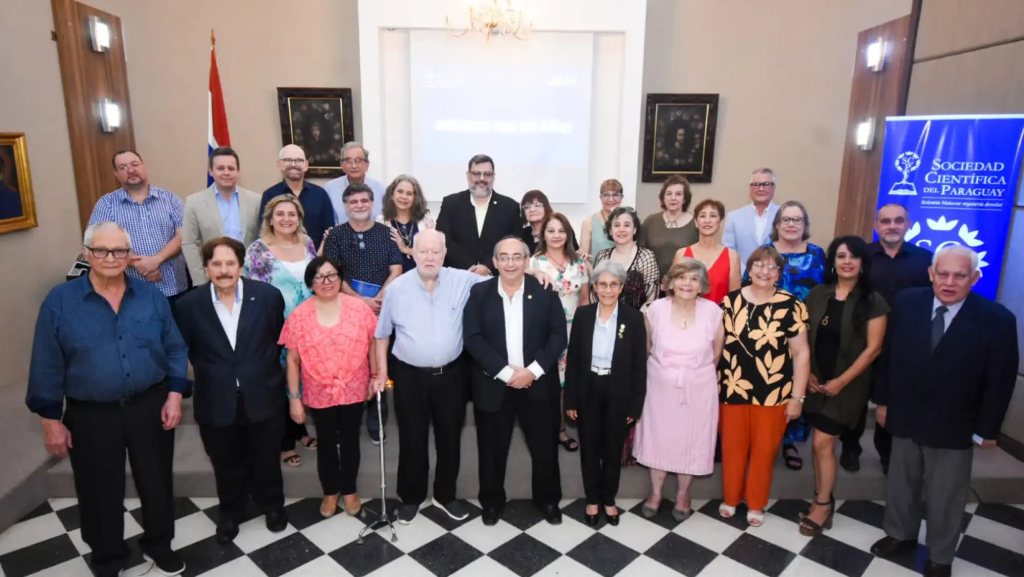
Throughout its history, the Society has supported diverse scientific fields. These include natural sciences, social sciences, and applied research. Currently, it has more than 80 members. These include active, corresponding, and lifetime members.
The institution operates as a non-profit, public-benefit organisation. It receives support from the La Piedad Foundation. This backing enables long-term educational projects and outreach programmes. It also strengthens institutional sustainability. The Society continues to encourage collaboration and innovation. In addition, it supports emerging researchers. This ecosystem reinforces national scientific capacity.
Annual Researchers’ Meeting and academic awards
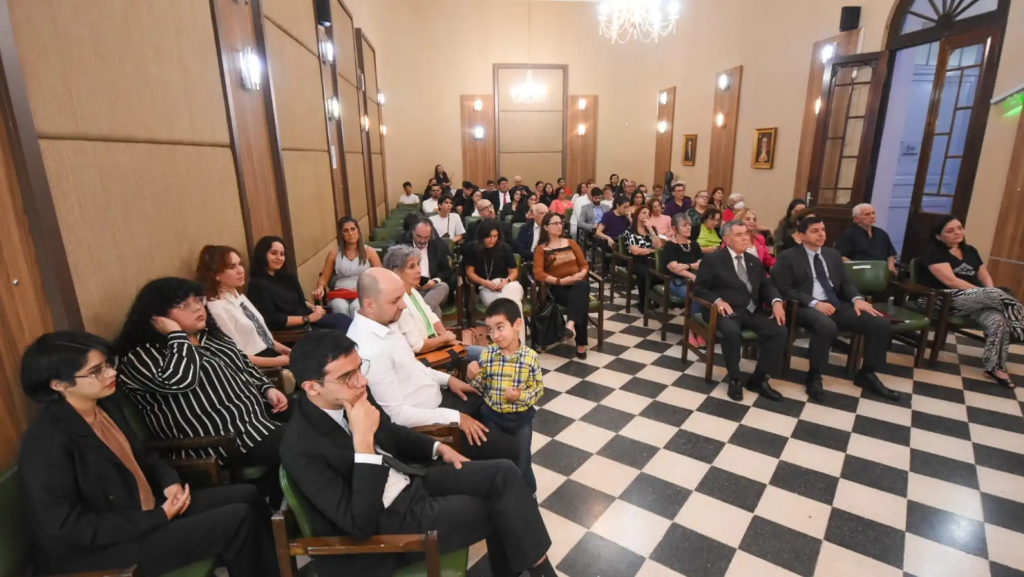
One of its main initiatives is the annual Researchers’ Meeting. The event gathers hundreds of scientists from across Paraguay. Participants present research findings and exchange ideas. It also encourages interdisciplinary cooperation.
The Society also awards the Andrés Barbero Prize. This distinction recognises outstanding undergraduate and postgraduate theses. Eligible projects must be developed at Paraguayan universities. The prize motivates academic excellence and innovation. Both initiatives strengthen national research culture. Furthermore, activities foster mentoring and academic networking.
Strengthening the link between science and society
Since 2013, the Benjamin Franklin Science Corner operates within the institution. The programme receives support from the United States Embassy. It focuses on science outreach and public engagement. The initiative encourages curiosity and critical thinking.
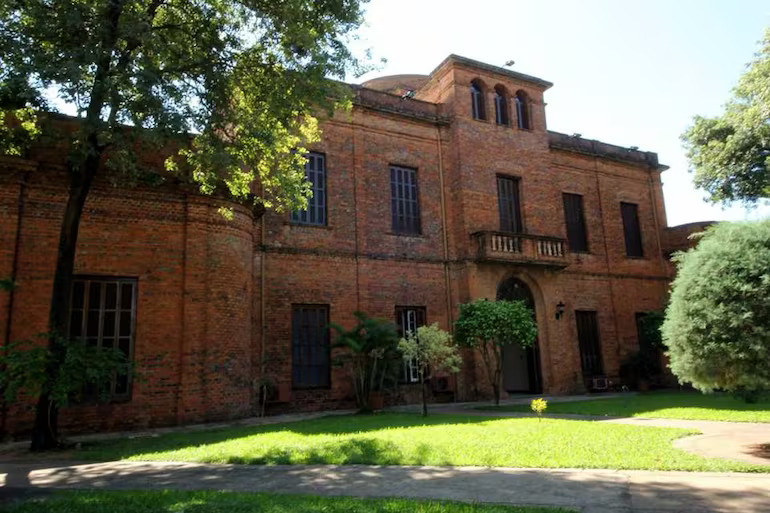
With more than 105 years of history, the Paraguayan Scientific Society maintains its leadership role. The institution preserves its historical identity while embracing change. It supports emerging technologies and interdisciplinary studies. At the same time, it honours its founders’ intellectual legacy. This balance ensures long-term relevance.
As Paraguay expands its scientific capacity, the Society remains a guiding force. Its contribution to national development remains significant. Ultimately, its enduring commitment strengthens both education and society.
Read more: Paraguay Strengthens Regional Scientific Cooperation

