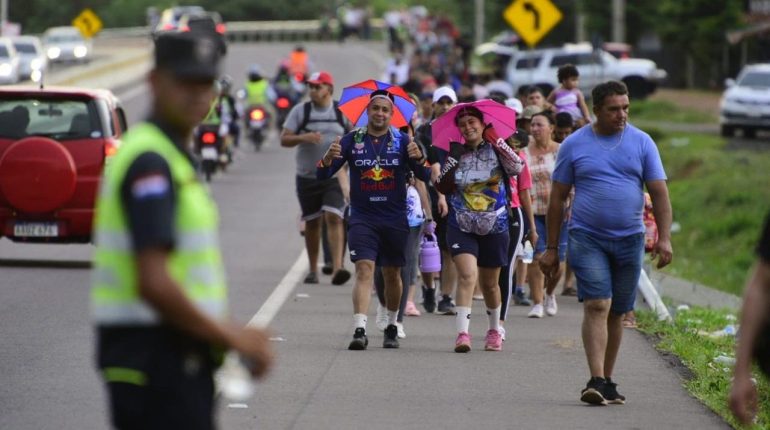

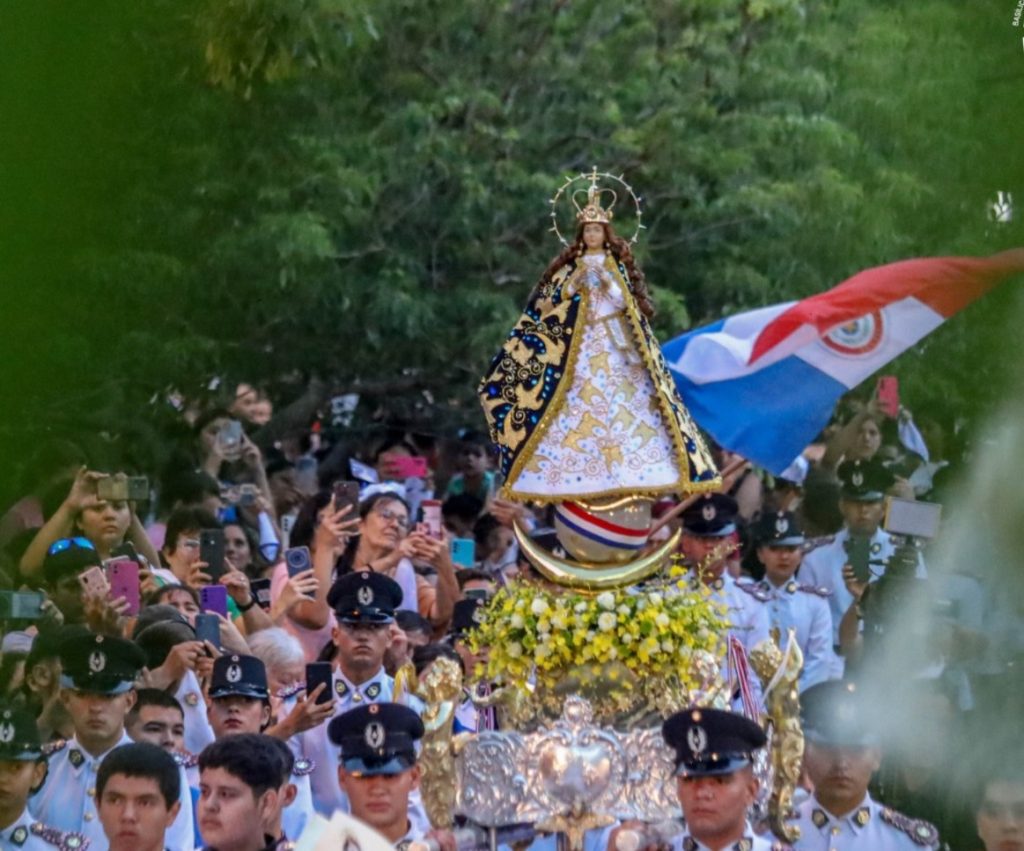
The annual pilgrimage to the Virgen de Caacupé Basilica in Paraguay is a significant display of faith, encompassing both intense spiritual devotion and a substantial civic operation. The Virgin of Caacupé is Paraguay’s beloved patron and the holiday of 8 December. The event was notable for the scale of the Operativo Caacupé health initiative. The Caacupé pilgrimage 2025 ended with a powerful appeal for national cohesion issued by the country’s Bishops.
Health assistance for 15,000 pilgrims
The massive health operation was meticulously planned and executed by the Ministry of Public Health and Social Welfare (MSPyBS). The primary goal was to ensure the well-being and safety of the thousands of devotees. In total, over 15,000 pilgrims received various forms of attention at the numerous fixed and mobile health posts established near the sanctuary and along the main routes.
Most of the cases attended to were relatively minor, typically involving health issues common to outdoor mass gatherings, such as sunstroke, dehydration, minor cuts, and general fatigue. These injuries reflect the physical toll of the journey in high temperatures. Crucially, the operational teams successfully coordinated the transfer of 36 individuals to higher-complexity hospitals, ensuring specialised medical attention for more serious conditions.
The Ministry indicated that the operation, which began on 28 November, will continue until 15 December, considering that many people will continue to make pilgrimages to the Basilica of Caacupé for up to eight days after the day of the Virgin.
Bishops issue pastoral letter urging dialogue and common good
In parallel with the spiritual, logistical undertakings, and health assistance of the Caacupé pilgrimage 2025, the Bishops of Paraguay issued a timely Pastoral Letter. This document shifted focus from the religious devotion to the nation’s pressing socio-political needs. The letter called unequivocally for a renewed commitment to national dialogue and the collective search for the common good among all citizens.
The Bishops strongly urged national leaders, institutions, and civil society to engage in constructive conversation. The aim is to bridge social, economic, and political divides within the country. A core tenet of their message was the moral necessity of designing and implementing public policies that demonstrably prioritise the needs of the most vulnerable populations.
Furthermore, the letter stressed the vital importance of transparency, integrity, and ethical conduct in all public life. They urged all people in Paraguay to work together towards building a more just and equitable society, anchored in shared Christian, and national values. The pilgrimage, therefore, served as a focal point for national reflection.