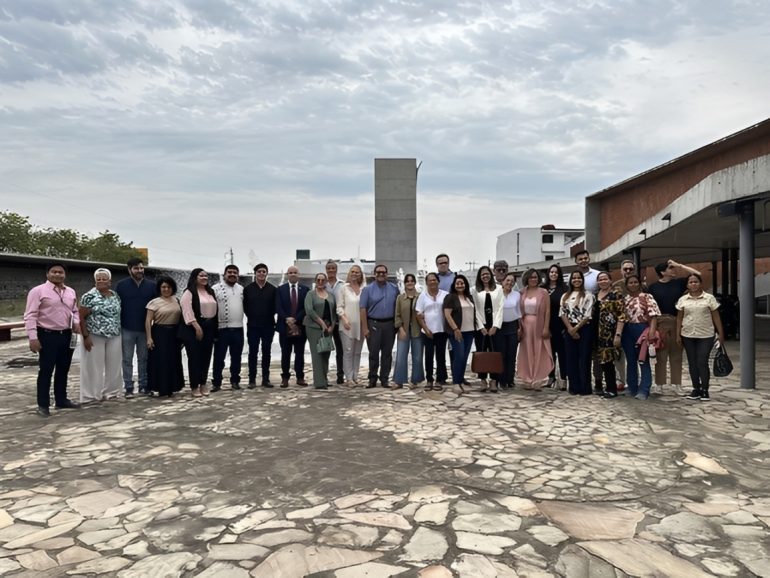

Paraguay continues to strengthen the protection and visibility of its intangible cultural heritage. In the city of Piribebuy, located roughly 80 kilometres from Asunción, a new Interpretation Centre will soon open its doors. The centre is dedicated to the iconic Poncho de Sesenta Listas. The new cultural centre In Piribebuy marks a significant step in safeguarding one of the country’s most emblematic traditional crafts.
The initiative reflects a broader national effort to preserve living traditions through institutional support, community participation and international recognition. Alongside this development, authorities recently reviewed the state of other cultural heritage initiatives, ranging from the vitality of Guarania to new multinational nominations before UNESCO.
The new cultural centre in Piribebuy
Piribebuy, widely recognised as the birthplace of the Poncho de Sesenta Listas, will inaugurate its Interpretation Centre during the first week of March 2026. The opening ceremony will be led by Piribebuy’s mayor, Blas Manuel Gini Cristaldo, alongside First Lady Leticia Ocampos and the Minister of the National Secretariat of Culture, Adriana Ortiz.
The new cultural centre In Piribebuy announcement was made during the first annual meeting of the Committee for the Safeguarding of Intangible Cultural Heritage. The meeting was held at the 1A Ycuá Bolaños Site of Memory and Cultural Centre. Representatives from Piribebuy presented an executive report outlining ongoing efforts to protect and promote this traditional Paraguayan weaving technique.
The centre aims to become a space for education, appreciation and preservation of the Poncho de Sesenta Listas. This cultural expression and technique was declared Intangible Cultural Heritage of Humanity by UNESCO in December 2023.
Safeguarding knowledge passed down through generations
The Interpretation Centre forms part of a broader Safeguarding Plan designed to protect the traditional knowledge of Piribebuy’s artisans. Despite limited resources and longstanding challenges, the city’s craftspeople have succeeded in preserving the techniques that define this textile heritage.
Women artisans of Piribebuy have played a particularly vital role in keeping this tradition alive. By ensuring that the skills, meanings and cultural value of the Poncho continue to be transmitted across generations. Authorities highlighted that the project not only honours a living heritage, but also reinforces a sense of identity and belonging, both locally and nationwide.
Guarania, a living and evolving heritage
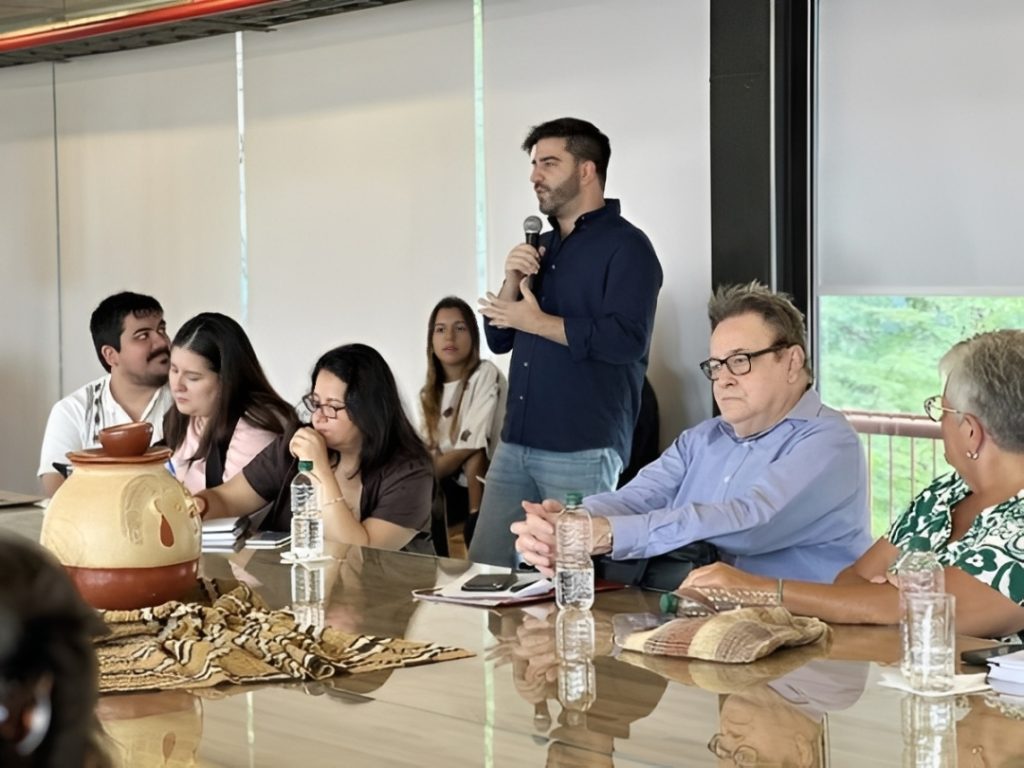
During the same committee meeting, officials also reviewed the outcomes of the Year of the Guarania. Celebrated throughout 2025 to mark the centenary of the genre’s creation by José Asunción Flores, between 130 and 150 official activities were held. These events took place both in Paraguay and abroad, including concerts, festivals, book fairs, performing arts presentations and guided cultural tours.
One of the most notable achievements was the registration of 36 new Guarania compositions. This underscores the genre as a living and evolving form of musical expression and cultural heritage. Guillermo Ortiz, General Director of Communications at the Secretariat of Culture, emphasised that this creative output demonstrates the continued relevance of Guarania within Paraguay’s cultural landscape.
Multinational nomination for the Nativity scene tradition
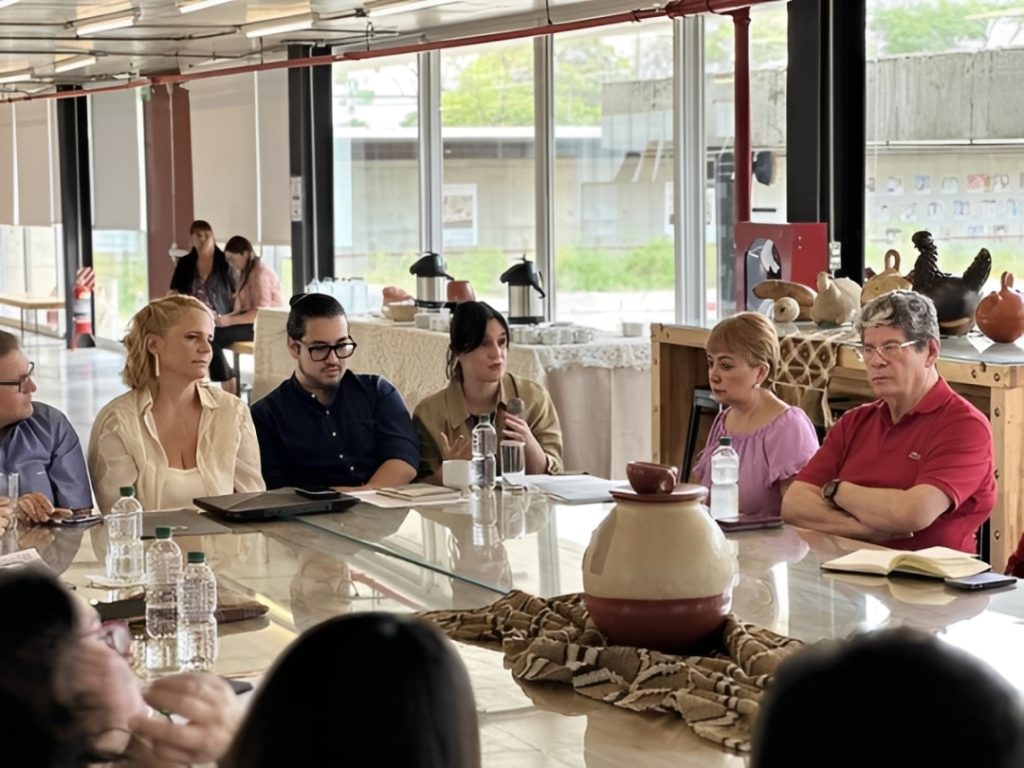
The committee also approved Paraguay’s participation in a multinational nomination of the Nativity scene tradition. The proposal, shared with Spain and Italy, seeks inclusion on UNESCO’s Representative List of the Intangible Cultural Heritage of Humanity.
Originating in Italy and spreading through Europe, the tradition reached the Americas via Spain. In Paraguay, it evolved through a fusion of Jesuit and Franciscan influences with Guaraní cultural elements. Minister Adriana Ortiz noted that Paraguay was the only country to immediately confirm its participation. She highlighted the central role of Nativity scenes in local Christmas celebrations, including distinctive elements such as the coconut flower.
Ongoing heritage nominations
Authorities additionally reported that, in 2025, six new declarations of National Intangible Cultural Heritage were issued. Also, alongside fifteen recognitions as Living National Treasures. Work continues on the nomination of Ñai’ũpo art for UNESCO’s Urgent Safeguarding List, expected to be considered in 2027.
Support was further confirmed for future nominations of chipa and the frazada de trapo to UNESCO’s Representative List. This signals Paraguay’s continued commitment to preserving and promoting its diverse cultural expressions.
With the upcoming opening of the Poncho de Sesenta Listas Interpretation Centre, Piribebuy stands as a focal point in these efforts, linking community heritage, national cultural policy and global recognition.