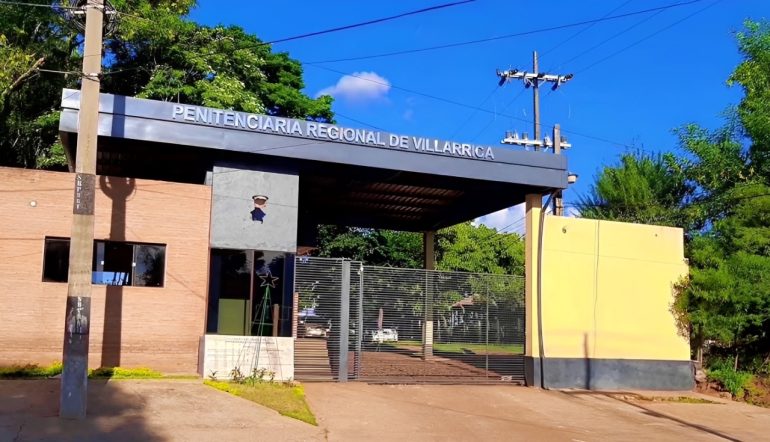

Paraguayan authorities have announced the soon-to-be-inaugurated women’s pavilion at the Penitenciaría Regional de Villarrica (Villarrica Regional Prison). This development signals a major step forward in improving prison conditions in the department of Guairá. The project forms part of the New Management Model, which aims to modernise correctional facilities across the country. It also seeks to strengthen rehabilitation and reintegration programmes for inmates, offering more opportunities for personal development.
Infrastructure focused on dignity and rehabilitation
The new women’s pavilion, attached to the existing building, spans 186 square metres and includes both residential and vocational spaces. The pavilion can accommodate up to 30 women and features a dedicated workshop designed to offer training opportunities and practical skills. The facility was built under strict standards of human dignity and rights, ensuring a safe and supportive environment.
Justice Minister Rodrigo Nicora highlighted the importance of the project, stating: “Providing women with safe and dignified spaces, alongside training opportunities, is essential for their personal development and reintegration into society.”
Construction was completed within the planned four-month timeframe, and the pavilion is set to open in the coming weeks. Governor César Sosa noted the project’s significance as a model for cooperation between national and regional authorities.
Reintegration through community work
Beyond the physical expansion, the initiative includes a framework agreement encouraging inmates to participate in supervised community work. The programme aims to strengthen job skills, support social reintegration, and provide meaningful activities during their time in custody.
The project was overseen by the Directorate of Works and Infrastructure and represents a growing commitment to interinstitutional cooperation. Local leaders believe the new pavilion will not only improve living conditions but also offer women better access to training, rehabilitation, and a more hopeful path forward. Authorities also noted that the pavilion could serve as a model for future facilities, demonstrating that investment in humane infrastructure can promote safer and more effective correctional systems nationwide.