
The National Institute for Rural and Land Development (INDERT) is the state institution responsible for implementing Paraguay’s agrarian reform and applying its rural land policy. INDERT was created to address deep-rooted inequalities in land distribution. The agency oversees land allocation, titling processes and settlement regularisation programmes.
All of this work has the of aim of improving living conditions for rural families. With its headquarters in Asunción, the institution operates across national territory. Particularly, in departments where agricultural production and land tenure disputes are more prominent.
Institutional reform and modernisation of land policy
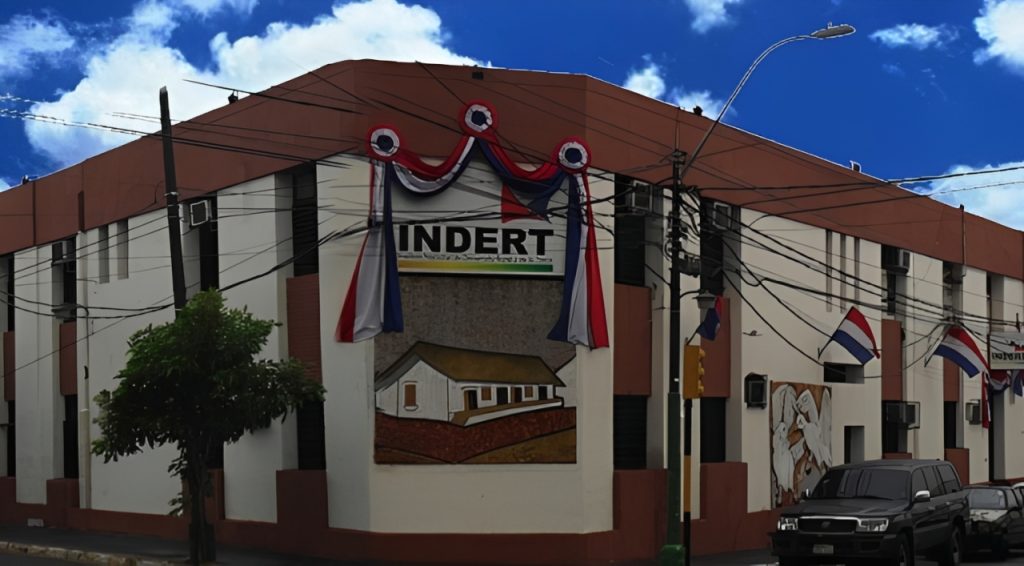
INDERT was established under Law No. 2419 in 2004. Before 2004, the Institute of Rural Welfare (IBR) managed land distribution for decades. The reform was designed to modernise Paraguay’s agrarian institutional framework, with objectives including strengthening transparency, technical oversight and administrative capacity in land management.
While the IBR focused primarily on allocating land to beneficiaries, INDERT was born with a broader mandate. The new model sought to integrate land distribution with rural development planning, infrastructure coordination and the legal formalisation of property rights.
The transition reflected growing recognition that land access alone was insufficient. Long-term support mechanisms are needed to ensure productivity and social integration for rural families and communities, according to the institution.
INDERT, promoting equitable access to land for rural families
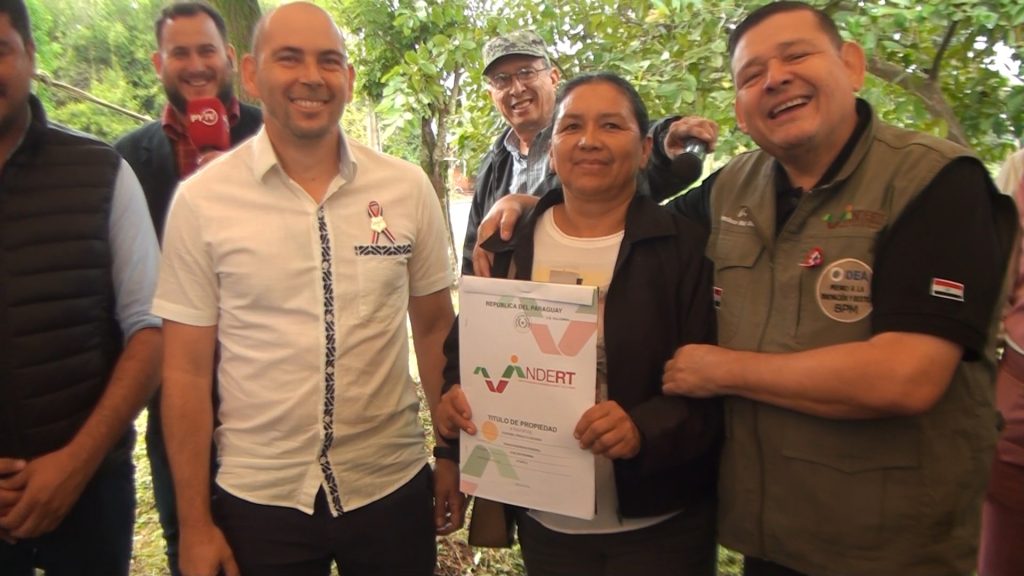
At the core of INDERT’s mission is the promotion of equitable access to land for families and small-scale agricultural producers. The agency administers public lands and identifies beneficiaries under agrarian reform criteria in order to facilitate settlement programmes in rural areas.
A critical component of its work is land tenure regularisation. This involves verifying historical claims, resolving legal disputes, surveying properties and issuing formal land titles. Legal security is considered essential for rural development, as property titles allow beneficiaries to access credit, invest in productive improvements and integrate into formal economic systems.
INDERT also oversees compliance with agrarian reform regulations. This is to ensure that allocated land is used productively and in accordance with established legal conditions.
Addressing historical land concentration
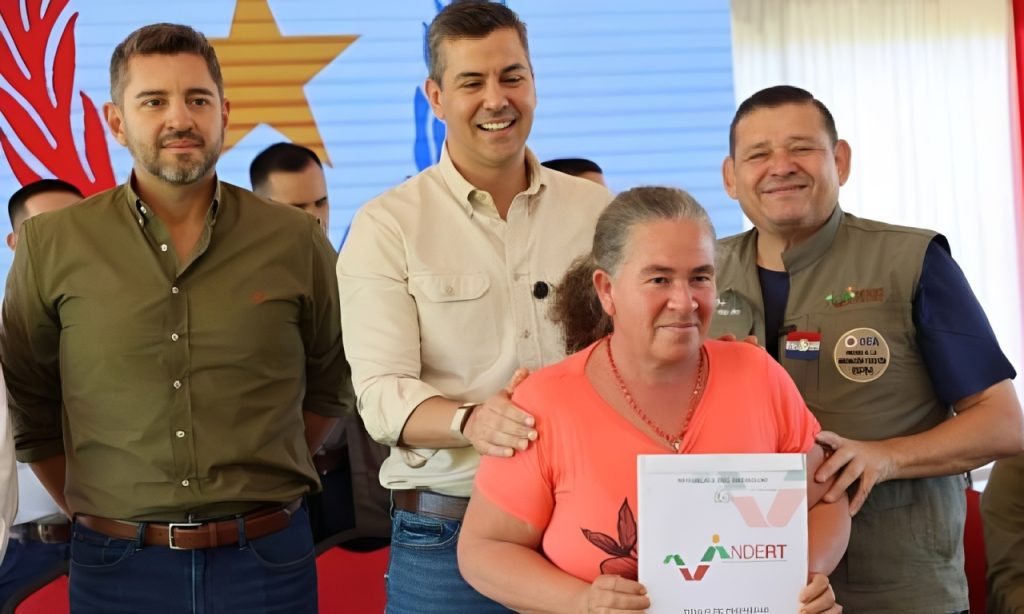
Paraguay has historically experienced high levels of land concentration. This structural issue has shaped rural poverty, migration and social tensions. Large-scale agricultural estates coexist with smallholder settlements, often creating economic and territorial imbalances.
Within this context, INDERT’s role extends beyond administrative land management. Its activities are closely tied to broader national debates concerning agrarian reform, social equity and sustainable development. By facilitating land redistribution and formalisation, the institution seeks to reduce inequality and promote stability in rural communities.
Land governance remains a politically sensitive issue. This makes INDERT’s mission and mandate both technically complex and socially significant. However, this also makes its objectives challenging to achieve and manage.
Operational challenges of INDERT
Despite its broad mandate, INDERT operates within a challenging institutional environment. Land tenure conflicts, overlapping property claims and historical irregularities in documentation frequently complicate regularisation processes.
Budgetary limitations and administrative bottlenecks usually also slow the implementation of its policies. Additionally, rural development outcomes depend on coordination with other public entities. These include the Ministry of Social Development (MDS), the Ministry of Agriculture and Livestock (MAG), and judicial institutions such as the Public Ministry, which addresses legal disputes. Other relevant actors include municipal governments and public companies such as the National Electricity Administration (ANDE) and the Sanitary Services Company of Paraguay (ESSAP).
The effectiveness of settlement programmes often hinges on whether land allocation is accompanied by infrastructure and services. Such as roads, schools, healthcare and technical assistance. Without integrated planning, land distribuition alone may not generate sustainable development outcomes.
INDERT’s strategic importance
Agriculture plays a central role in Paraguay’s economy, particularly in exports and employment generation. As such, land governance directly influences productivity, investment and territorial planning.
By formalising property rights and supporting structured rural settlements, INDERT contributes to long-term agricultural stability and economic inclusion. Legal certainty over land ownership reduces the risk of conflict and strengthens confidence among producers and financial institutions.
More broadly, INDERT’s work shapes the demographic and economic structure of Paraguay’s countryside. Through its policies and programmes, the institution remains a key actor in defining how land is distributed, managed and integrated into national development strategies.