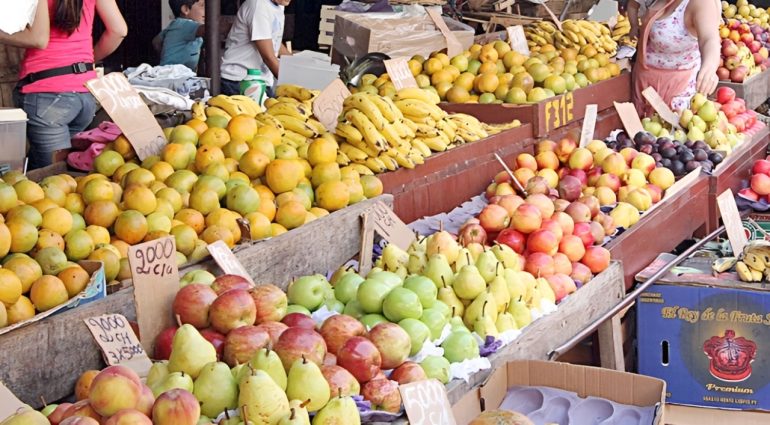

Paraguay’s subtropical climate favours a rich diversity of seasonal fruits throughout the year. As in many countries, certain varieties reach peak quality and flavour when consumed in their natural season, offering not only better taste but also greater nutritional value and affordability when locally harvested.
Choosing fruits at the right time supports both health and sustainable eating habits, while also reducing the need for long-distance transport and prolonged storage. The World Health Organization (WHO) recommends consuming at least 400 grams of fruit and vegetables daily to reduce the risk of chronic diseases such as diabetes, obesity, hypertension and certain types of cancer. Paraguay’s Ministry of Public Health and Social Welfare (MSPBS) also highlights the benefits of seasonal fruits, noting that they contain higher levels of vitamins, minerals and antioxidant. This is because they are harvested at their optimal point of ripeness, without extended storage or transport periods.
Summer fruits
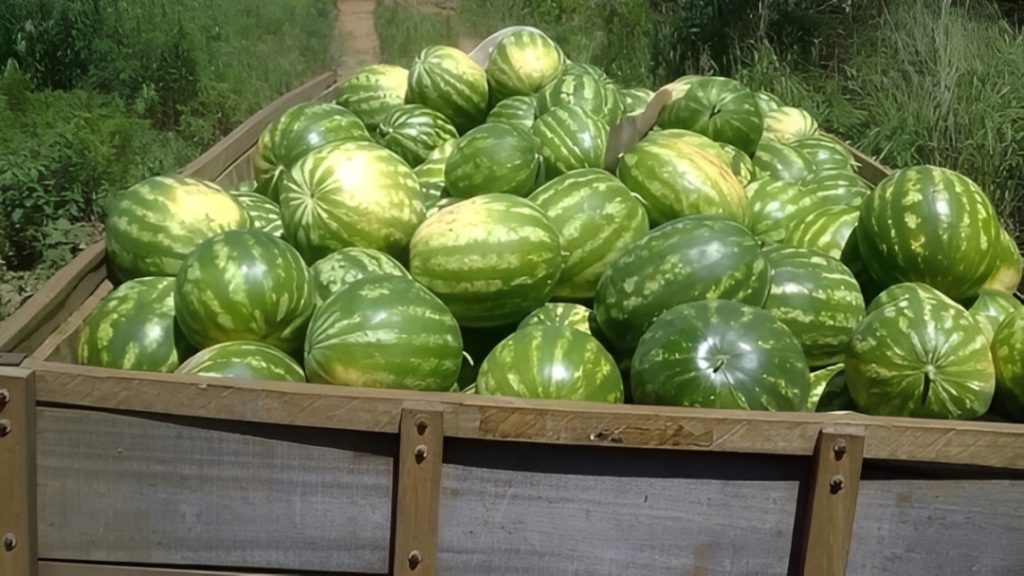
During Paraguay’s summer months, from December to March, a wide variety of juicy seasonal fruits dominate markets and family tables. Heat and abundant sunshine create ideal growing conditions, while water-rich options help maintain hydration during the warmest time of the year.
Watermelon is one of the most emblematic summer fruits in Paraguay. Many families consume it after lunch or later in the afternoon to combat the heat, as it is particularly hydrating. Melon, although not eaten as frequently as watermelon, is also common during the summer season.
Mangoes, meanwhile, grow abundantly during this period. They can often be seen falling from trees in streets and gardens. Beyond their refreshing taste, mangoes are rich in vitamins C and A. Papaya shares similar nutritional properties and is widely available in local markets.
For a sweeter addition to meals and juices, pineapples, guavas, plums and grapes reach their peak during the summer months. These fruits not only enhance flavour but also stand out for their natural sweetness. Unsurprisingly, they often feature prominently in family gatherings and seasonal desserts.
Autumn fruits
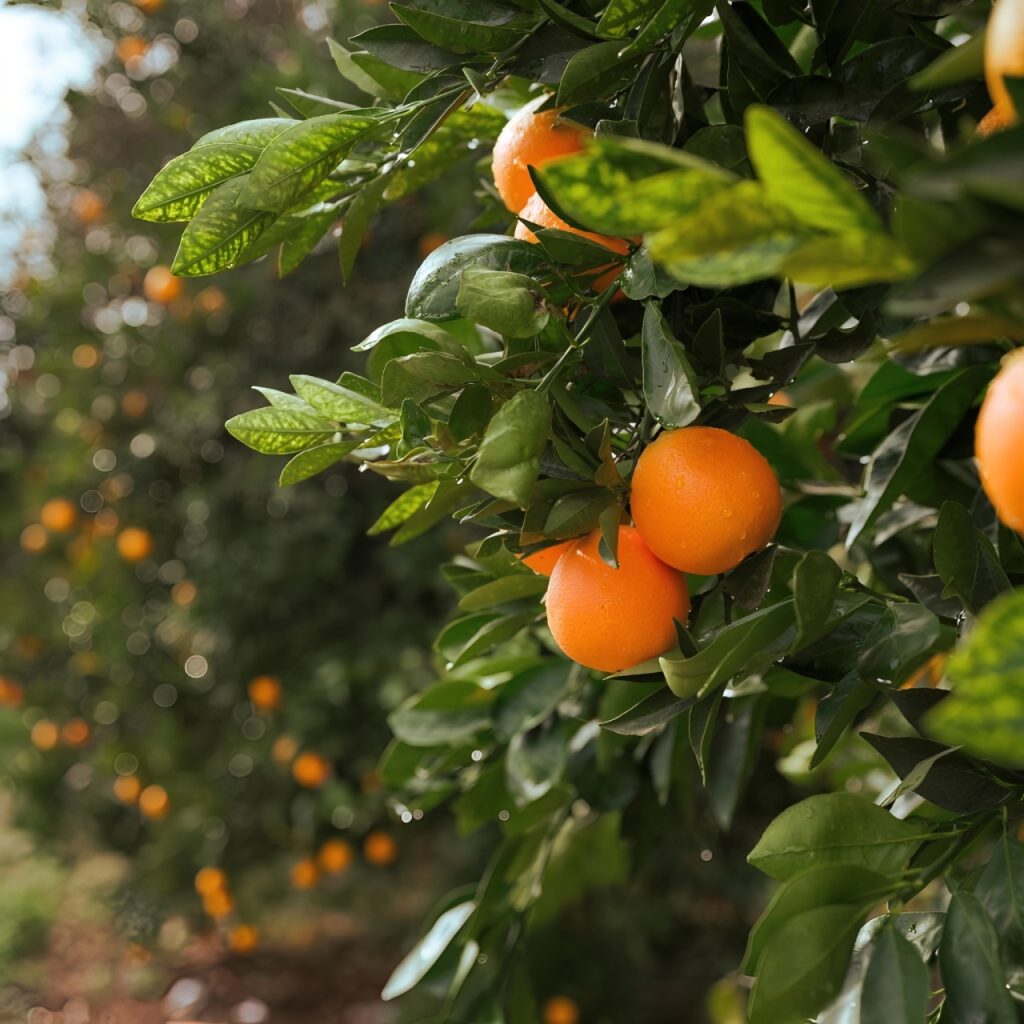
As temperatures begin to cool from April to June, seasonal fruit availability shifts towards varieties with deeper flavours and more complex textures. Transitional fruits remain visible in markets during this period.
Early batches of strawberries may appear, even though their peak season has not yet arrived. Citrus fruits begin to take centre stage, particularly oranges and mandarins. Both are rich in vitamin C and antioxidants, making them popular choices for preventing seasonal colds. Citrus consumption is deeply rooted in Paraguayan households during the cooler months. Autumn fruits offer a balance between freshness and richness, making them versatile for snacks, desserts and fresh juices.
Winter fruits
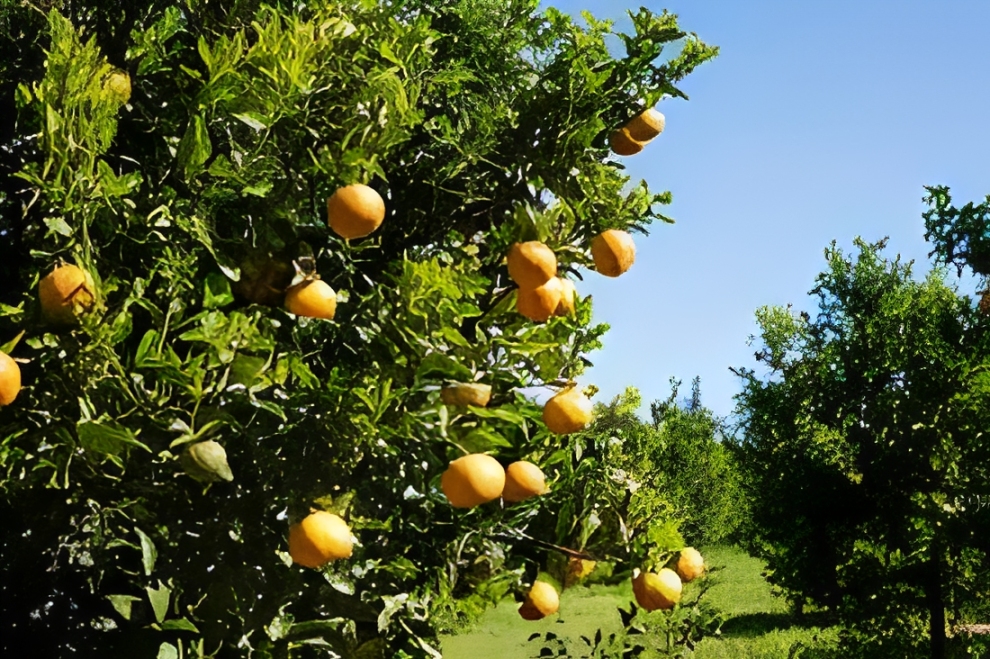
From June to September, cooler weather strongly favours citrus production. This is when oranges and mandarins become especially abundant. It is common to see people eating mandarins or drinking freshly squeezed orange juice in public spaces, as these fruits are both affordable and widely available. Many even claim that citrus fruits taste sweeter during colder weather.
National apple production also becomes more visible during this period. Although imported fruit is available year-round, local seasonal apples tend to be fresher and crisper during winter. Strawberries continue to appear in smaller batches. Overall, winter fruits are associated with immune support, comfort and high vitamin content.
Spring fruits
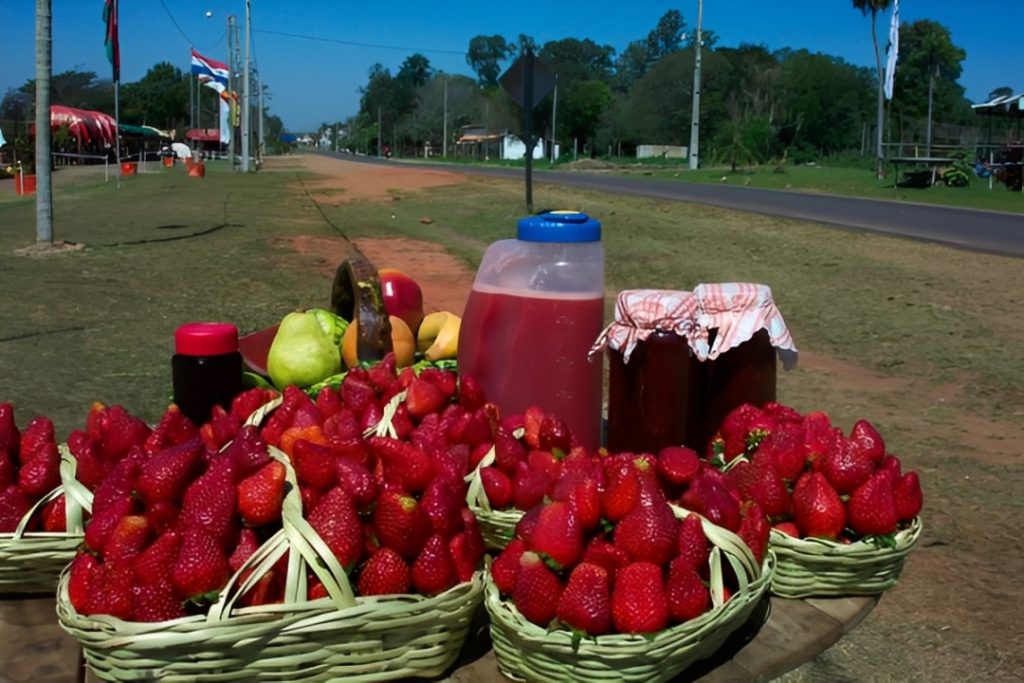
Spring, from September to November, marks a renewed abundance of colour and flavour. This transitional season signals the true arrival of strawberries, which become widely available across the country. The city of Areguá is particularly known for its strawberry production, although other towns also contribute significantly.
Guava returns strongly during this season and is notable for containing even more vitamin C than oranges. Early pineapples also appear in spring; they are valued not only for their sweetness but also for their digestive and anti-inflammatory properties. Grapefruits also appear in big numbers Spring fruits are commonly used in fresh fruit salads and natural juices, bridging the cooler months with the approaching summer harvest.
Nutritional advantages and local support of seasonal fruits
Eating fruits in their natural season does more than enhance flavour. Seasonal produce tends to retain higher concentrations of nutrients because it is harvested at peak maturity and requires less storage time. This often results in better nutritional value and more competitive prices at local markets.
Buying seasonal fruits also supports Paraguayan farmers and strengthens the national agricultural economy. Many local fairs and expos celebrate fruit harvests, offering direct access to producers and freshly harvested goods.
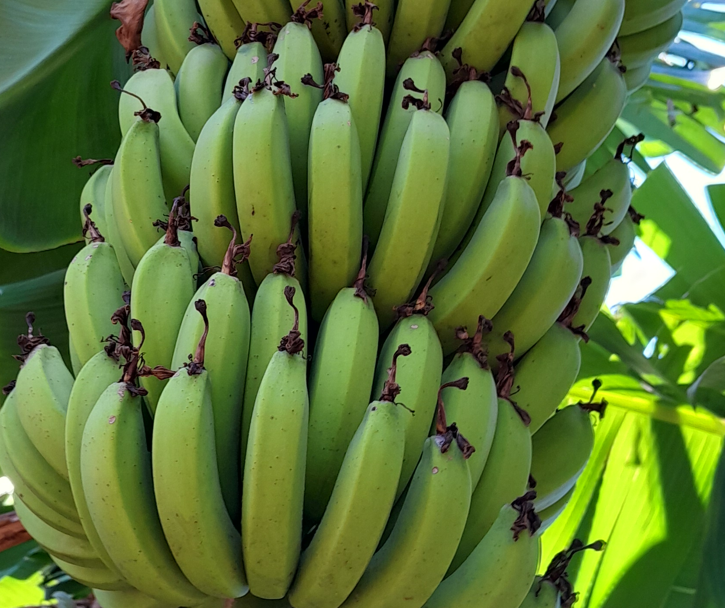
It is worth noting that certain fruits, although richer in nutrients during their peak season, are available throughout the year due to staggered production methods. Bananas and lemons, for example, can be found year-round. Strawberries are increasingly produced under staggered systems, and some producers are beginning to apply similar methods to watermelon cultivation.
Seasonal fruits and a year of natural flavours
Paraguay’s seasonal fruits reflect the rhythms of its subtropical climate. From the hydrating sweetness of summer watermelons to the vitamin-rich citrus of winter, each season offers distinct varieties and culinary possibilities. Whether enjoyed fresh, blended into juices or incorporated into traditional dishes and desserts, seasonal fruits remain a fundamental part of Paraguayan nutrition and daily life.