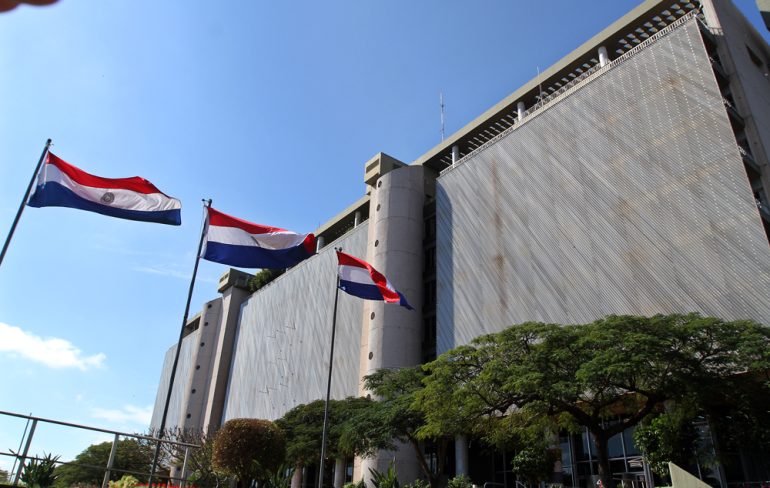

Paraguay’s Central Bank has announced an interest rate cut after almost two years of stability, signalling growing confidence in inflation control and economic momentum. The benchmark rate was reduced from 6% to 5.75%. Authorities expect the move to support investment and domestic consumption across the economy.
The adjustment reflects strong economic performance in 2025. Growth reached 6%, while inflation stood at 3.1%. Officials also forecast growth above 4% and inflation below 3.5% this 2026. As a result, the bank believes conditions are suitable for moderate monetary easing.
Inflation trends and domestic growth
The Paraguay Central Bank’s monetary policy committee expects inflation to continue slowing. This follows recent reductions in fuel prices, durable goods, and food. Lower logistics costs have also eased price pressures across several sectors. Consequently, purchasing power has shown a gradual improvement.
The previous rate adjustment occurred in March 2024. At that time, the benchmark was reduced from 6.25% to 6%. Since then, the rate remained unchanged as inflation risks persisted. However, recent data suggests greater stability in price behaviour. Economic growth remains another positive indicator. Paraguay recorded GDP growth of 6% last year. For 2026, projections indicate an expansion of around 4.2%. Construction, agribusiness, and services continue to support overall activity.
Global factors
External conditions also influence monetary decisions. Oil prices have risen in recent months. However, analysts expect global supply to exceed demand during 2026. This could limit further price increases and reduce inflationary pressure. Agricultural markets show mixed trends. Soybean prices on the Chicago market increased due to higher sales and demand expectations. In contrast, maize and wheat prices declined. Global oversupply continues to weigh on those commodities.
Overall, the rate cut aims to encourage credit growth and productive investment. Lower borrowing costs may stimulate business expansion and consumer spending. At the same time, authorities remain cautious about external volatility. The Central Bank will continue monitoring inflation and international markets closely.