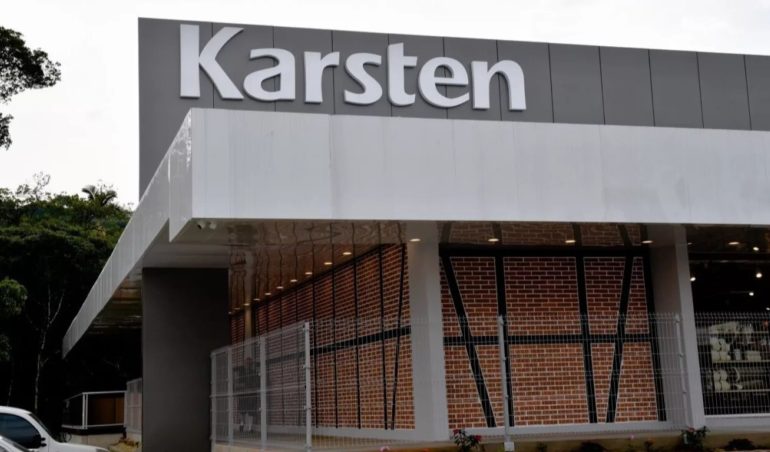

Karsten Paraguay, one of Brazil’s oldest and largest textile manufacturers, has begun operations at its first factory outside Brazil. This first factory is located near Ciudad del Este in eastern Paraguay. The plant will be formally inaugurated on 26 March 2026. And is set to employ more than 80 workers by the end of the year. It will initially produce bathroom textiles for the Brazilian market.
A 143-year-old company crosses the border
Karsten was founded in 1883 in Blumenau, a city in Brazil’s southern state of Santa Catarina. The company manufactures bed linen, towels, tablecloths, and decorative fabrics. Karsten sells its products in more than 20 countries through approximately 7,000 retail points. The new Karsten Paraguay facility is within the Gical Logistics Park, at kilometre 13.5 of Route PY02, in the municipality of Minga Guazú. The site lies in the Alto Paraná department of eastern Paraguay, next to Ciudad del Este and close to the border with Brazil.
Why did Karsten choose Paraguay?
Paraguay offers a combination of low taxes, inexpensive electricity, and proximity to Brazil that has attracted a growing number of Brazilian manufacturers. For instance, foreign direct investment in the country rose by 15% in 2024, reaching US$931 million. Rodrigo Prade, Karsten’s industrial manager in Paraguay, said the country’s fiscal incentive policies and its strategic logistics position in the region were decisive factors in choosing the location.
Marcio Bertoldi, Karsten’s chief executive officer, said the expansion was intended to strengthen the firm’s production structure. Also, to increase its capacity to serve markets beyond Brazil. The company stated the plant was designed to grow gradually, with the potential to supply additional markets as demand increases.
Karsten Paraguay: jobs and workforce training
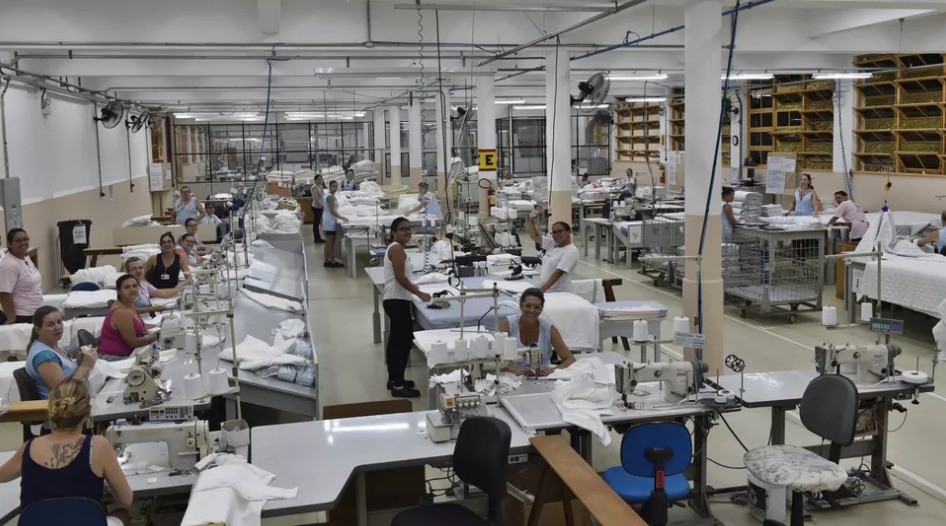
The factory began operations in late February 2026. Furthermore, Paraguay’s National Professional Promotion Service (SNPP), a public vocational training body, partnered with Karsten ahead of the opening to prepare local workers for industrial sewing machinery. A first cohort of approximately 30 to 40 workers completed the programme and secured positions at the plant.
Jaime Zorrilla, the SNPP’s regional director, said the arrival of Karsten had given fresh momentum to Paraguay’s textile sector. This sector has been expanding steadily in recent years. He also noted that the factory was creating skilled industrial jobs for women. Zorrilla described this as a step towards reducing the gender gap that persists in the country’s economy.
Part of a broader trend
The Paraguayan Industry Union (UIP), including its youth branch, played an active role in attracting Karsten. By presenting the country’s economic advantages to the Brazilian delegation before the investment decision was made. Karsten Paraguay is one of a growing number of Brazilian-owned manufacturing facilities opening in Alto Paraná, a region that borders the Brazilian state of Paraná and benefits from well-developed road connections between the two countries.