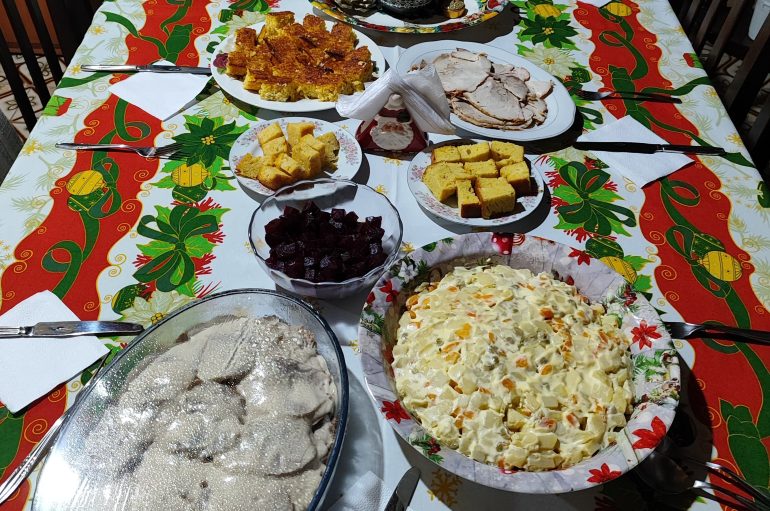

December is a special time for all people in Paraguay. With the Virgin of Caacupé marking the beginning of the month, thoughts soon turn to the Christmas holidays. Not only because of vacations, but because of meaningful reunions with family and friends, especially on Christmas Eve and New Year’s Eve. After 15 December, one thing is certain: you need to be ready to eat and drink. This is all you need to know about the Paraguayan Christmas dinner.
Starting weeks in advance
What are we going to eat? Where are we eating? Who is bringing what? Should we eat at your house? These are the questions that older family members start asking weeks in advance. For Christmas Eve dinner, there are certain foods that Paraguayans almost always eat, although this can vary depending on where the family is from. Even what is drunk on Christmas Eve follows tradition. Some dishes appear throughout the year, while others exist almost exclusively for this night.
Traditional meals and rituals
Talking about Christmas in Paraguay also means talking about heat. A lot of heat. Heavy winter-style meals simply do not fit the weather or the mood. For this reason, Paraguayans developed their own way of celebrating Christmas Eve, just as they did with traditions like decorating with coconut blossoms and assembling the Nativity scene.
After the 20th of December, families begin preparing for the big dinner. Meat for the asado is bought, drinks are stocked, and ingredients for all the dishes are carefully planned. Some families even buy an entire animal, such as a cow, piglet, or lamb, to butcher in the days leading up to Christmas Eve. There is no single guide for what a Christmas dinner should look like. Every family has its own version.
So, what is served?
On the day itself, everything starts early. Traditionally, fathers and grandfathers were in charge of the asado, while women prepared salads, Paraguayan soup, or chipa guazú. Nowadays, these roles are far more flexible. Everyone cooks what they like or what they do best. Each family member usually brings a dish, whether it is a specific cut of meat, a salad, or something homemade. Christmas in Paraguay is deeply linked to sharing.
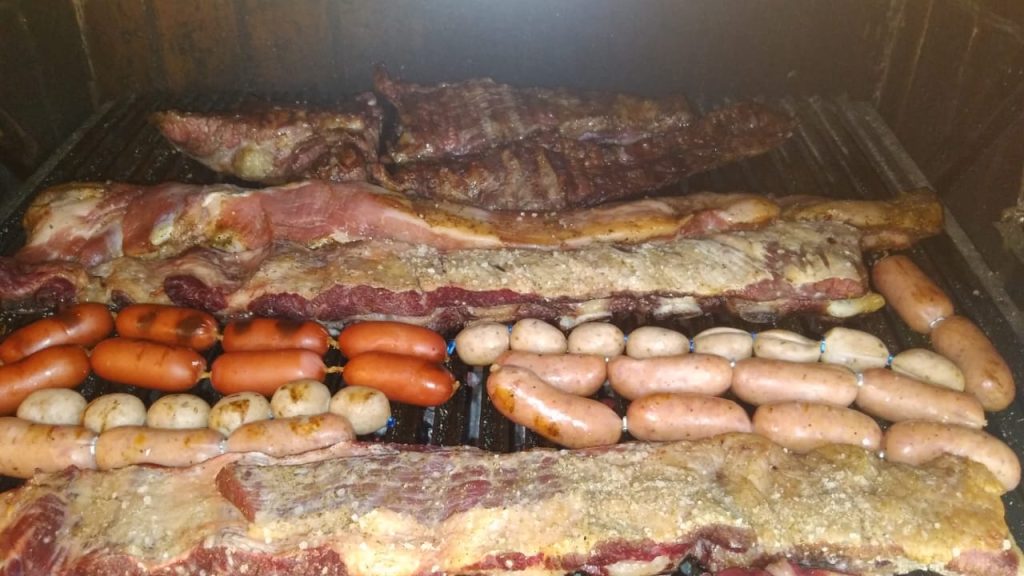
The asado fire is usually lit around seven or eight in the evening, so dinner can begin around half past ten or eleven. The goal is to be seated by midnight. Of course, many people are already full before the meat is ready, having eaten chipa guazú and Paraguayan soup. Mothers are famous for repeating the same warning every year: “Kids, wait for the asado. We have to be seated at twelve.”
Asado is always accompanied by mandioca, which is essential at any Paraguayan barbecue. Sausages are also common, alongside the already mentioned chipa guazú and Paraguayan soup. Christmas Eve feels more traditional and more family-oriented than any other celebration. Many Paraguayans even say they celebrate Christmas more than New Year.

Other meals at the table
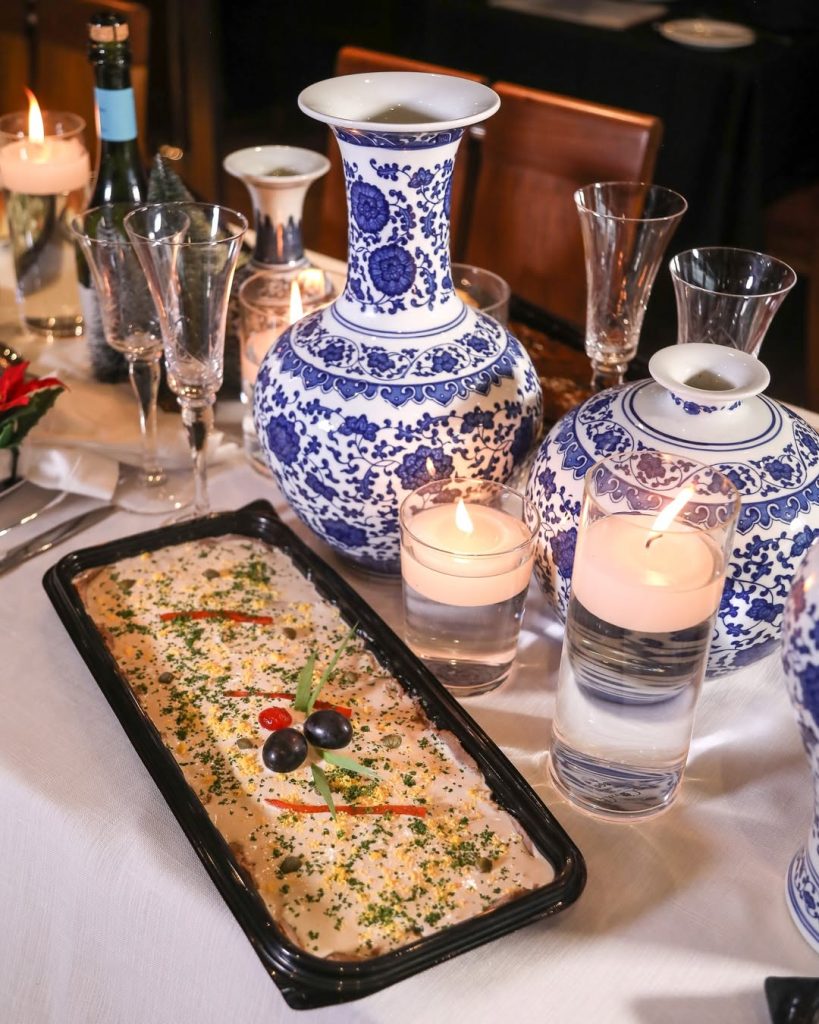
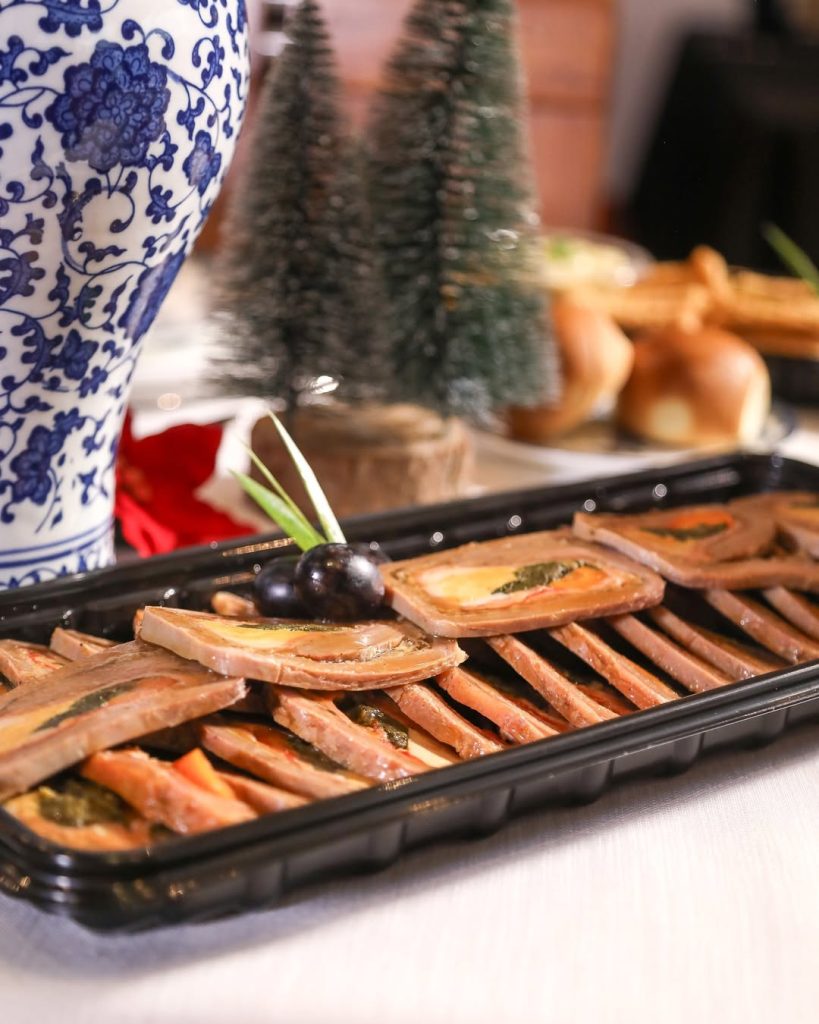
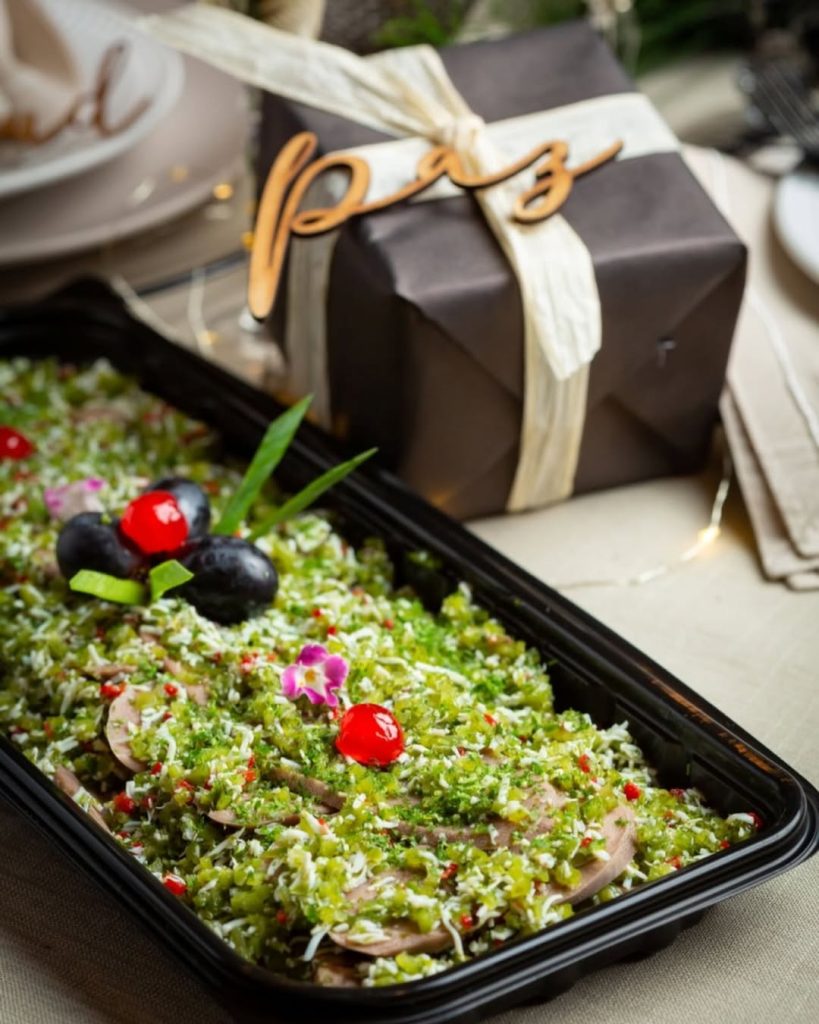
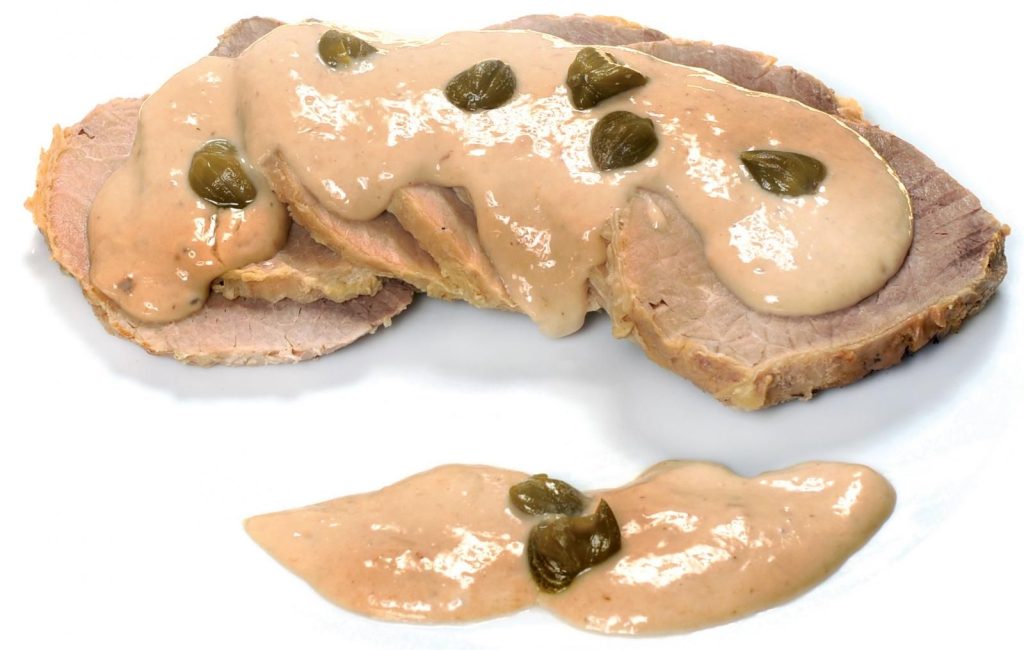
Over time, Paraguayan Christmas dinners have incorporated dishes from other cultures. One of the most common is vitel toné, originally from Argentina, which now appears on many Paraguayan tables. Lengua a la vinagreta is another popular option, appreciated for its distinctive flavour. These dishes are closely associated with Christmas and are rarely eaten at other times of the year.
Russian salad is also a staple of the season. Rolled beef or chicken dishes, influenced by foreign cuisines, are increasingly common as well. Given the sheer amount of food prepared, leftovers are inevitable. Dishes like vitel toné, Russian salad, and even asado keep well in the refrigerator, meaning that the days following Christmas are often spent finishing leftovers and gathering once again around the same table.
Desserts and drinks
Soft drinks are always present. If you are invited to a Paraguayan Christmas dinner and are unsure what to bring, soda is the safest option, in any flavour. Alcoholic and non-alcoholic cider is also very popular. Beer drinkers usually start early, often right next to the grill. Champagne is reserved for the midnight toast, and wine sometimes accompanies dinner.
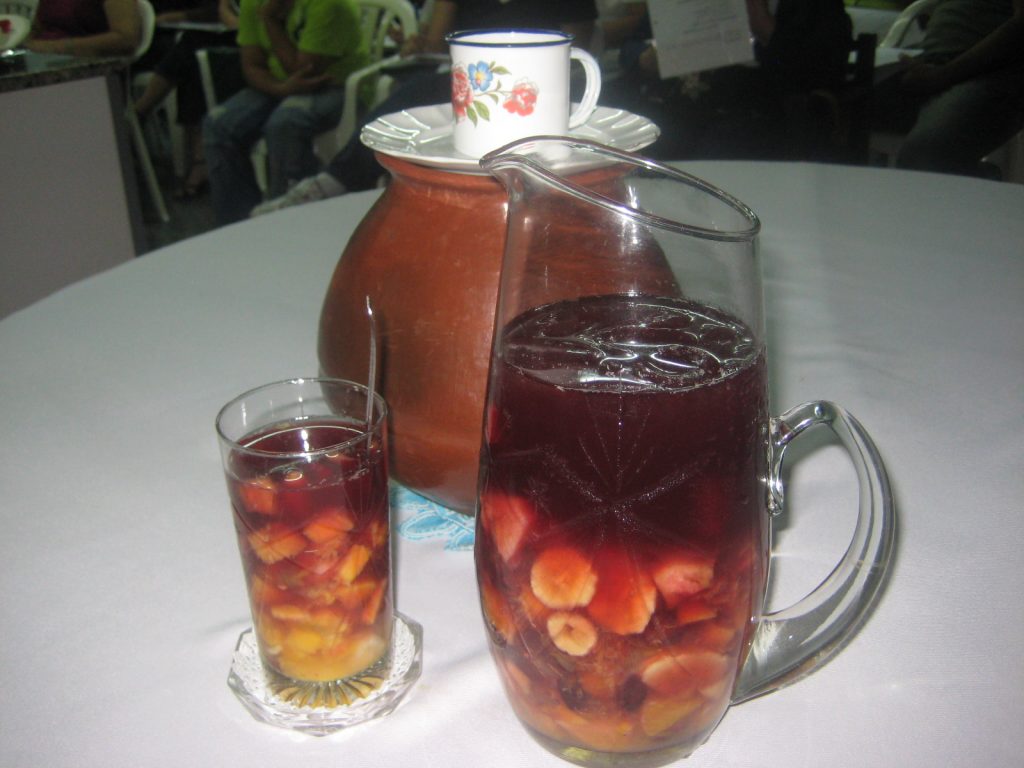
Perhaps the most iconic Christmas drink in Paraguay is fruit wine punch. Prepared at home with chopped fruits. Wine is added, sometimes mixed with cider or liqueur, and then left to rest in the refrigerator for several hours. Just before serving, ice is added to combat the heat. This drink is one of the most recognisable symbols of a Paraguayan Christmas Eve.
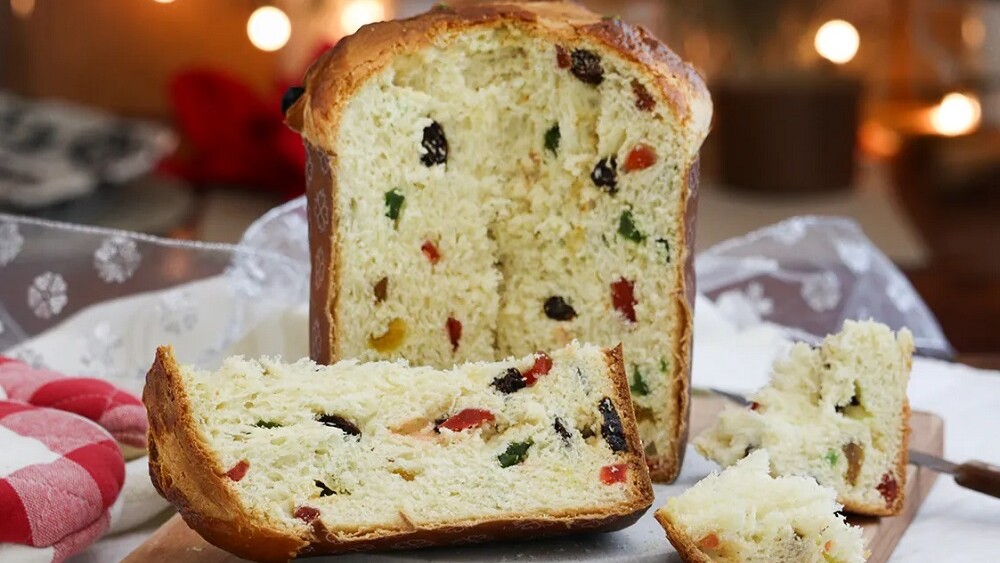
After the midnight toast, it is time for dessert. Once again, the heat defines tradition. Fruit salad is almost unavoidable. Sweet Christmas bread with fruit or chocolate is another classic, while plum cake is also common, not only on Christmas Eve but throughout December.
A table that tells a story
In the end, a Paraguayan Christmas Eve table is not defined by luxury or strict rules, but by abundance, warmth, and togetherness. It reflects the climate, the history, and the strong sense of family that shapes the country. Between the heat, the shared dishes, the long waits for the asado, and the midnight toast, Christmas Eve in Paraguay is less about what is eaten, and more about who is sitting around the table.