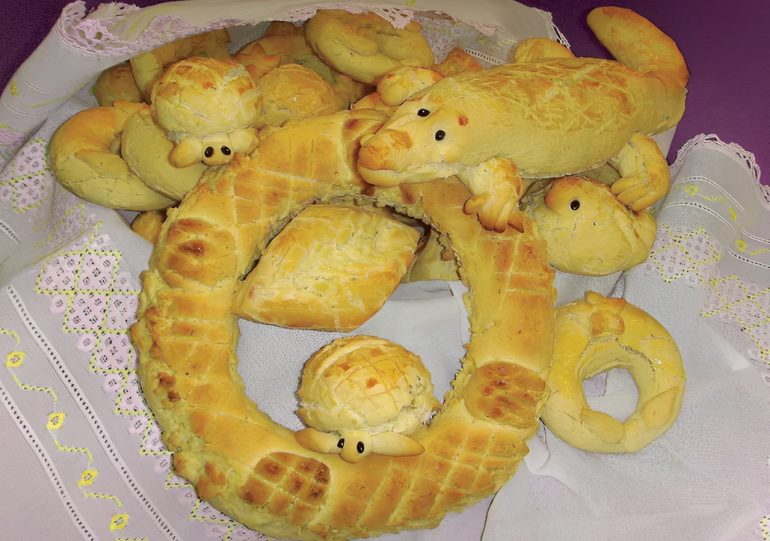

Holy Wednesday in Paraguay begins with a different kind of air. It is not simply a date in the religious calendar; above all, it is a day that smells like home. From early morning, houses begin to fill with movement, overlapping voices, and hands that rarely rest. It is the day of chipa making or chipa apo in Guaraní, a deeply rooted tradition that is less about a recipe and more about a shared ritual.
A time to return
Across the country, Holy Week is experienced as an opportunity to return. Beyond religious beliefs, thousands of people leave the city and travel to the countryside. Roads become busy with cars and buses, carrying entire families back to the homes of grandparents, aunts, uncles, or parents. It is a reunion that repeats itself each year, almost like a promise. These journeys carry not only people, but also memories, customs, and flavours.
Among all these traditions, chipa holds a central place. This traditional Paraguayan bread, made from cassava starch, is a staple food eaten throughout the year. However, it is during Holy Week that it truly takes centre stage. For many, Holy Wednesday is the day to make chipa. The cultural significance of chipa goes beyond the family kitchen. In fact, in 2015, Paraguay officially recognised the artisanal, traditional, and industrial techniques of making chipa, declaring them part of the nation’s Intangible Cultural Heritage.
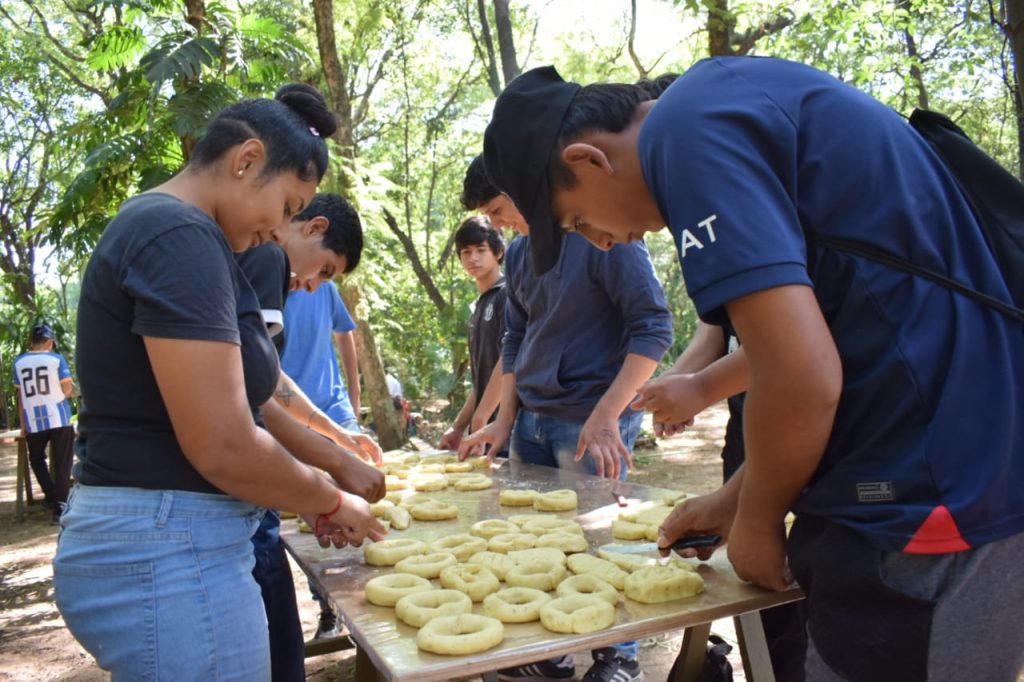
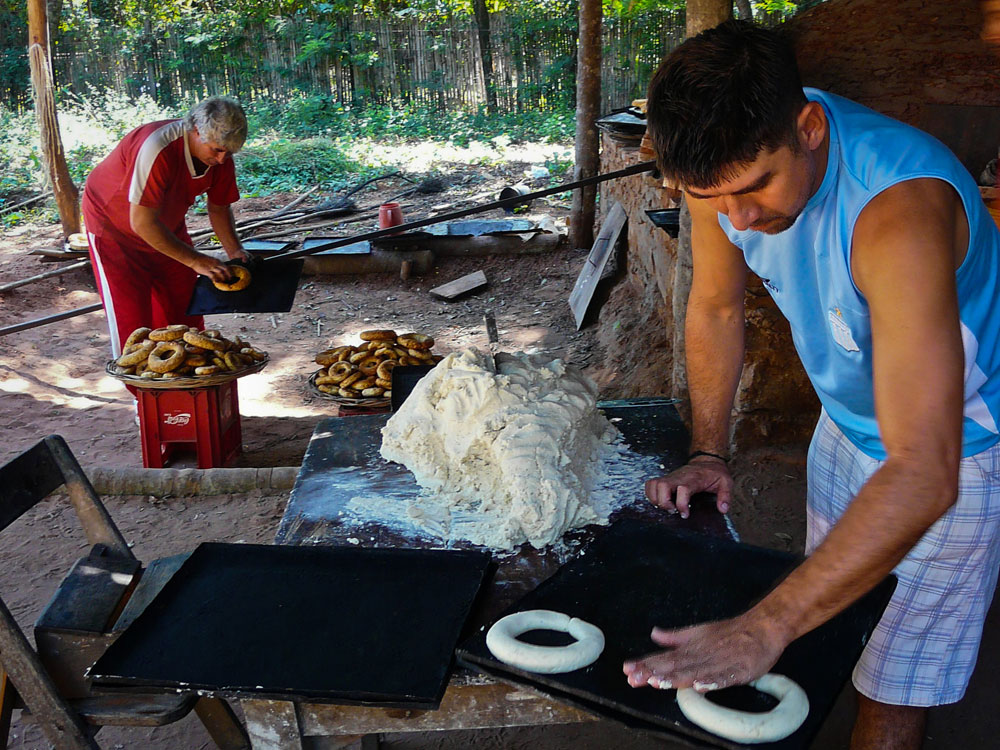
Preparing for Chipa Making
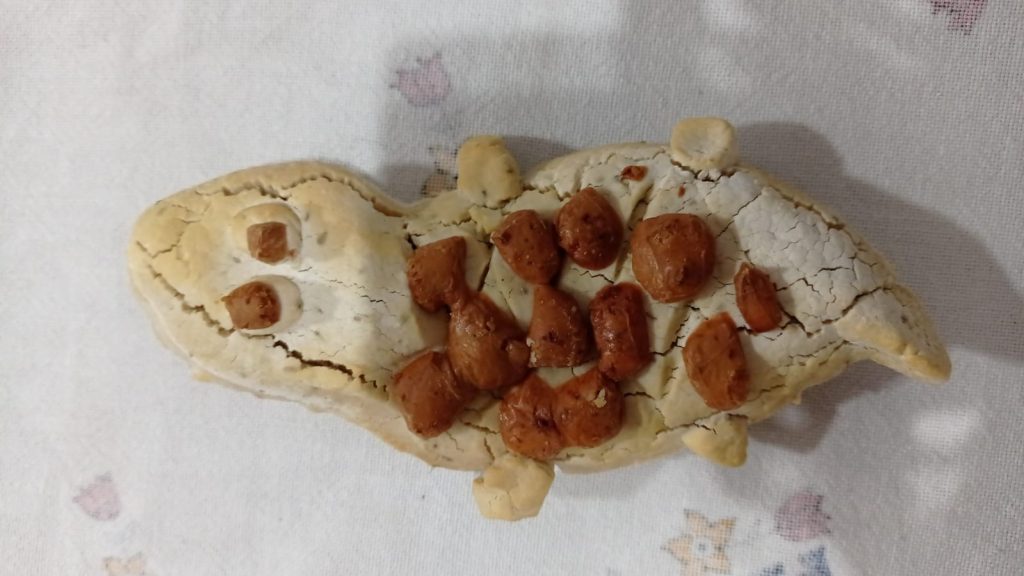
The preparation begins days in advance. In local shops and markets, families ensure they have all the necessary ingredients: cassava starch, Paraguay cheese, eggs, pork fat or butter, milk, salt, and sometimes anise seeds for their distinctive aroma. Today, it is possible to buy ready-made dough and simply bake it at home. Yet, for many, that would mean missing the essence of the tradition. Because the true value of chipa apo lies in the process itself.
Once settled in the countryside, often in spacious patios or open kitchens, it is time to put on an apron. The experienced hands of grandmothers and aunts take the lead, most of the time without following any written recipe. Everything is guided by memory, by the feel of the dough, and by instinct shaped through years of practice. Ingredients are mixed, the dough is kneaded patiently, and its texture is carefully tested.
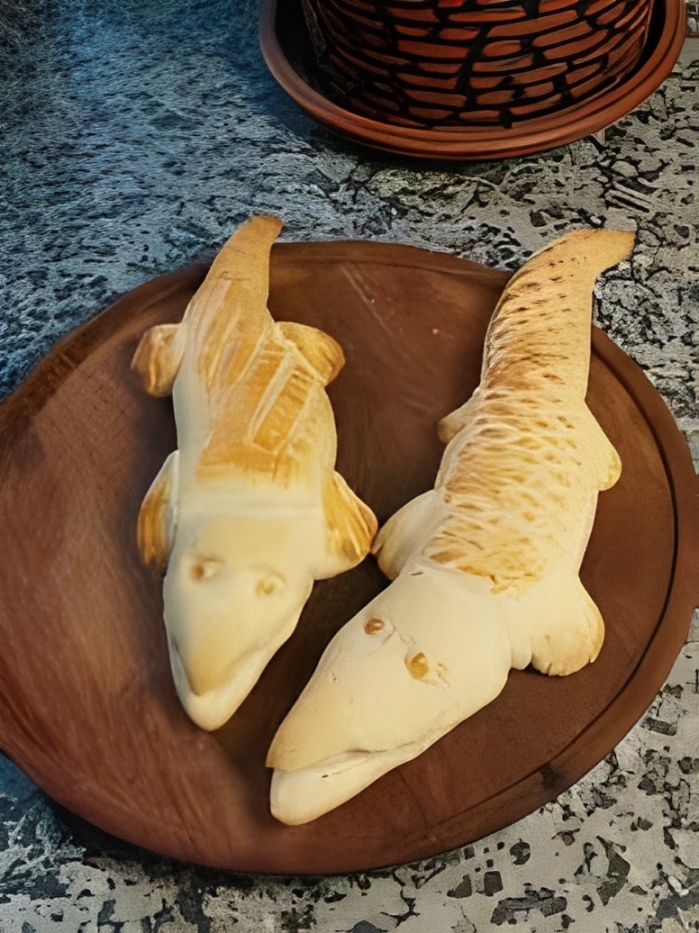
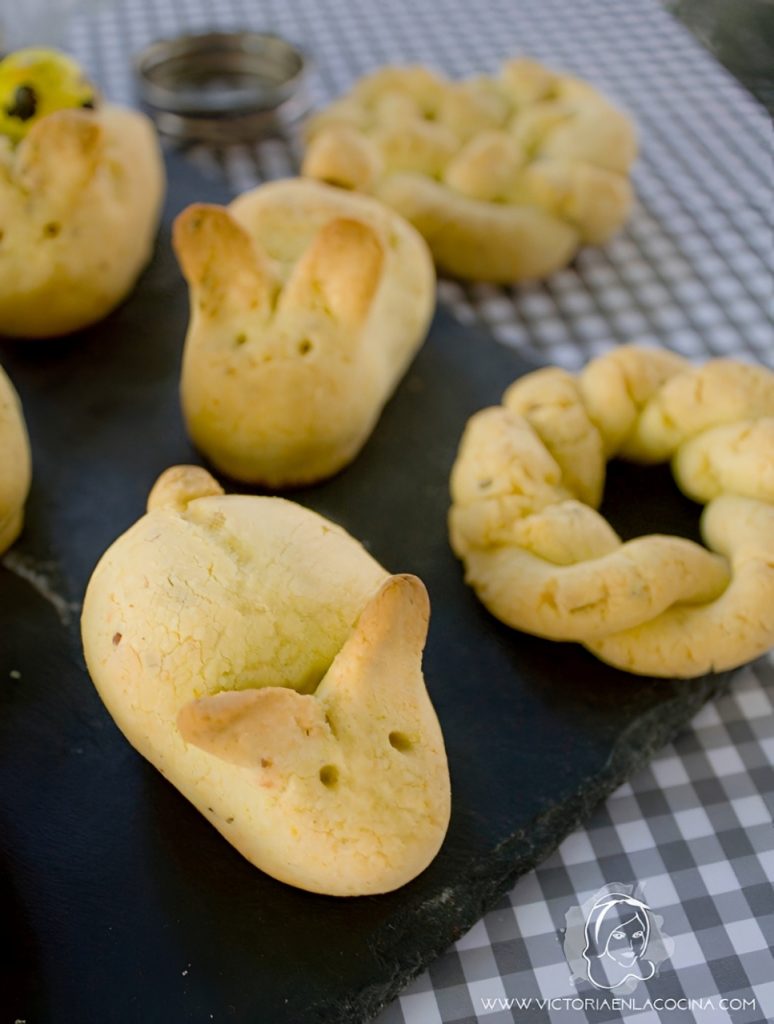
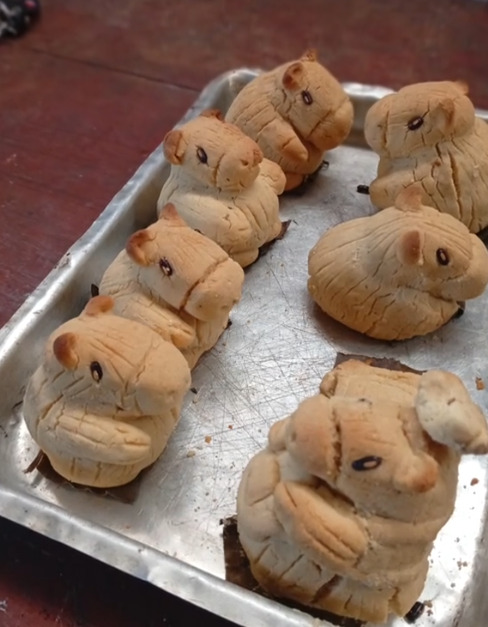
Then comes the most anticipated moment: shaping the dough. At this stage, the kitchen turns into a space of play. It is no longer just the adults involved; children and younger family members eagerly join in. The dough becomes rings, geometric figures, little birds, snakes, yacarés, and even capybaras. Each shape carries its own charm, reflecting the personality of its maker. There are laughs, comparisons, and small, spontaneous competitions.
From tatakua to the table
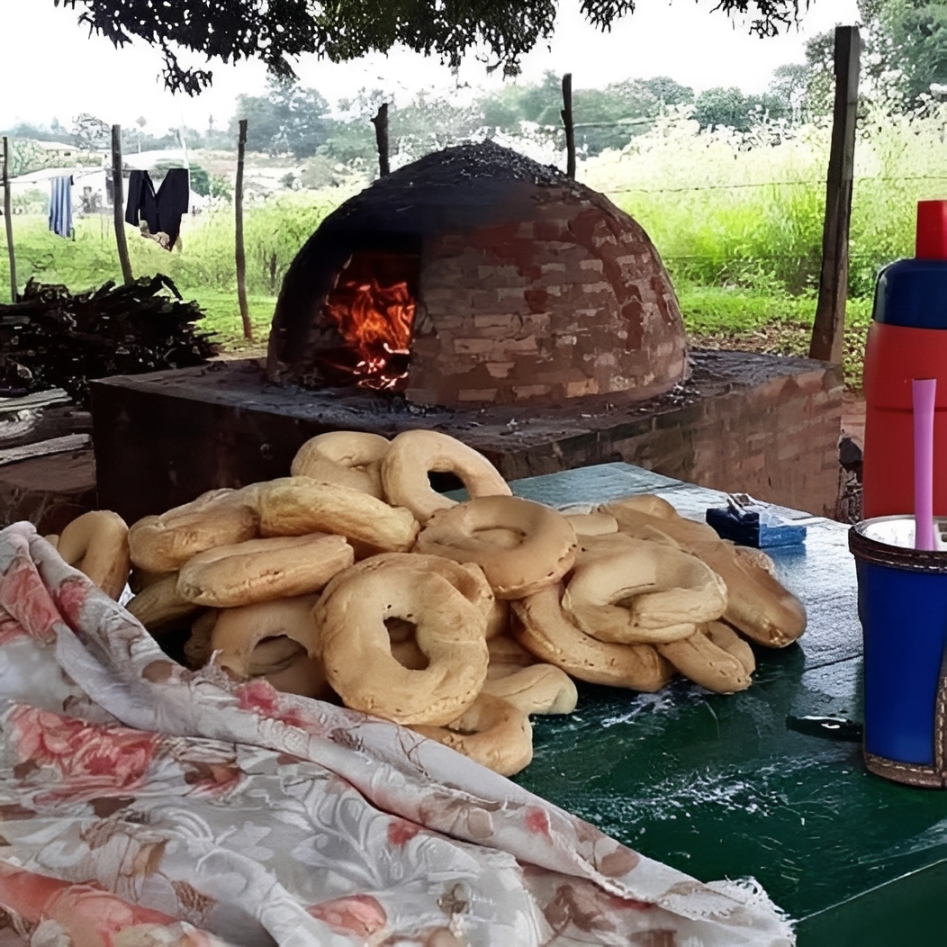
Once shaped, the chipas are carefully placed on banana leaves, baking paper, or greased trays. The chipas are then taken to the oven. In many homes, particularly in rural areas, the traditional tatakua is still used. A tatakua is a clay oven built using ancestral techniques. Heated with firewood, it maintains a high and steady temperature, ideal for achieving a golden, slightly crisp exterior while keeping the inside soft.
Baking time may vary, but chipas are typically cooked for around 20 to 30 minutes, depending on their size and the type of oven. During this time, the aroma begins to spread, filling every corner of the house and often reaching neighbouring homes as well.
More than a single day
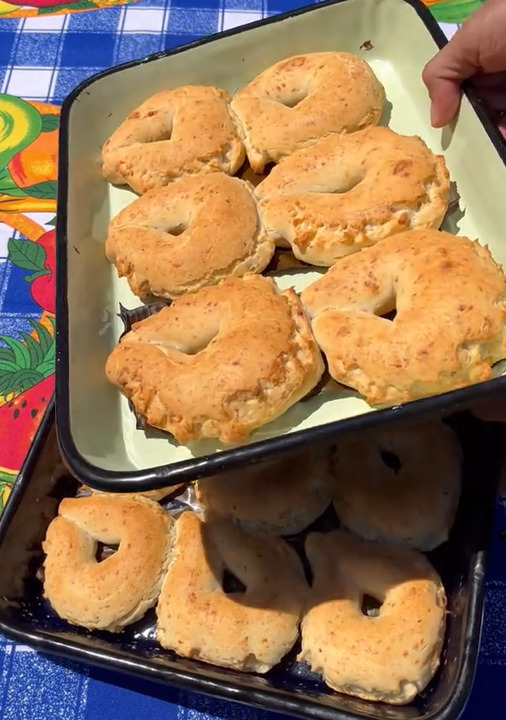
When they are finally ready, it is time to enjoy them. Yet the experience does not end there. Chipa is not only eaten on Wednesday. It remains a staple for the following days. Chipa is enjoyed at breakfast, during afternoon tea, as a snack, or even as a main meal. In many families, especially on Good Friday, chipa may be almost the only food consumed, forming part of a traditional form of fasting.
There is always something to accompany it: cocido. This traditional infusion, made from yerba mate and burnt sugar, provides a perfect contrast. Warm, slightly smoky, and comforting, cocido and chipa form an inseparable pairing, almost symbolic. In this way, Holy Wednesday in Paraguay is defined not only by faith, but by connection. It is a day when time seems to slow down, when generations come together, and when traditions are passed on without the need for words. By the end of the day, pictures of freshly baked chipas will flood social media, filling feeds with golden rings, playful shapes, and the unmistakable warmth of Paraguayan tradition.