
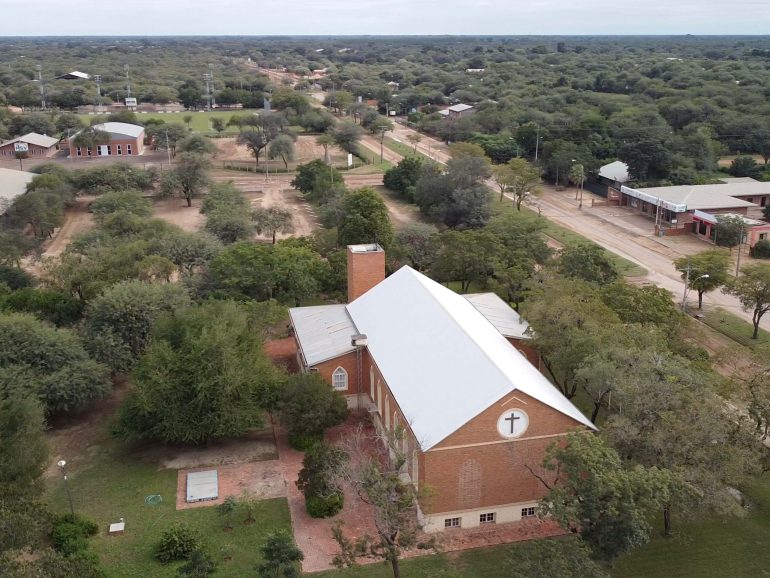

In the first episode of our Mennonites in Paraguay series, we examined their path to the Chaco and origins. For many Paraguayans, the Chaco remains a remote frontier: harsh, isolated, and largely untouched.

That impression changes the moment you reach Filadelfia. Dusty roads give way to straight streets, and the Wild West meets deliberate order.
Nearly a century ago, Mennonites arrived seeking religious freedom. They built communities grounded in faith, cooperation, and self-reliance. What began as a struggle for survival grew into institutions that transformed one of South America’s most challenging regions.
Today, Mennonite enterprises drive much of Paraguay’s production of beef, milk, and soy, while colony institutions support education, healthcare, and social programs that serve both Mennonites and indigenous populations.
Few outsiders realize how deeply these communities shape life in the Chaco — and increasingly, Paraguay itself.
Faith and community life
In the Mennonite colonies of the Chaco, faith functions as a framework for everyday organization. From their arrival in the 1920s and 1930s, religious communities mastered collective survival in an unfamiliar and harsh environment.
Church congregations served not only as places of worship but also as meeting halls, schools, and decision-making centers. Families coordinated farming, shared resources, and supported one another through drought and economic uncertainty.
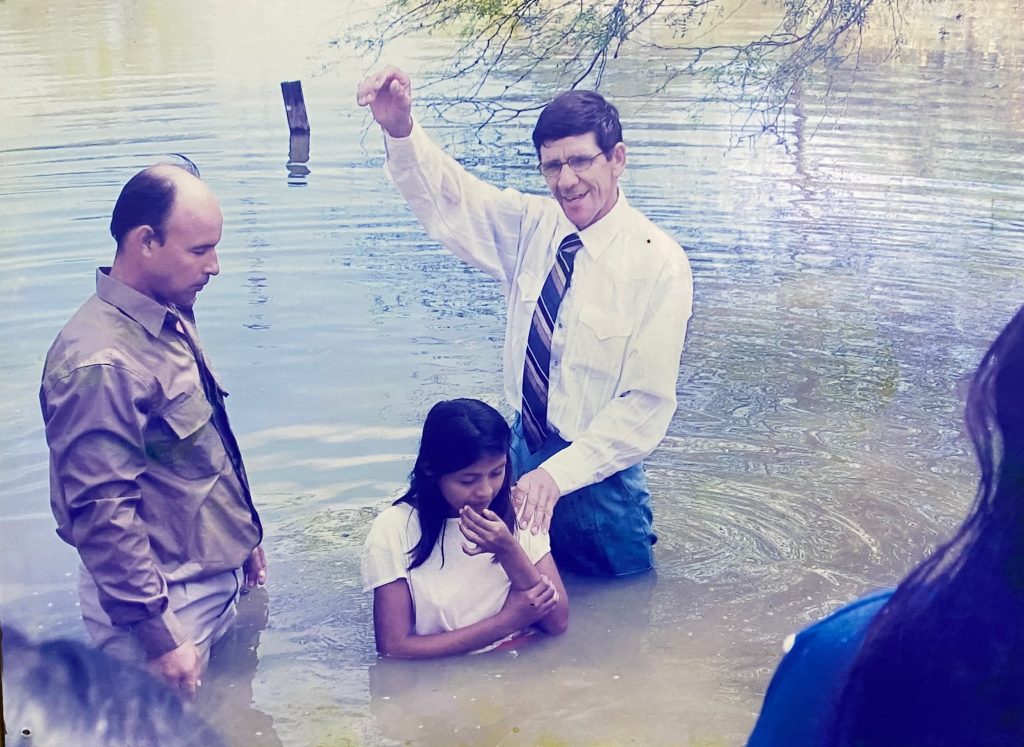
Since Mennonite faith follows the Anabaptist tradition, meaning membership is a personal decision made in adulthood, choosing baptism is understood as choosing responsibility; a conscious commitment to faith and community.
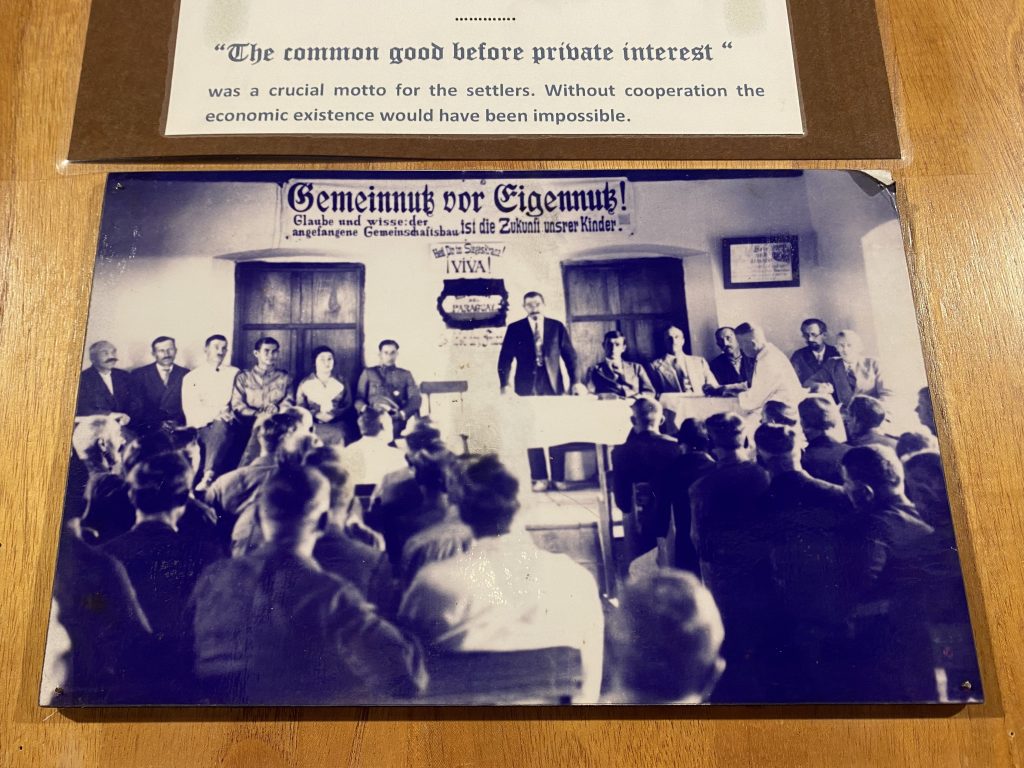
This same spirit of shared responsibility led to the creation of the cooperativas: member-run economic organisations that help farmers market their products, access supplies, and finance infrastructure. In a region that long received little state support, cooperation became essential. Members contribute and benefit together, enabling services that no individual could sustain alone.
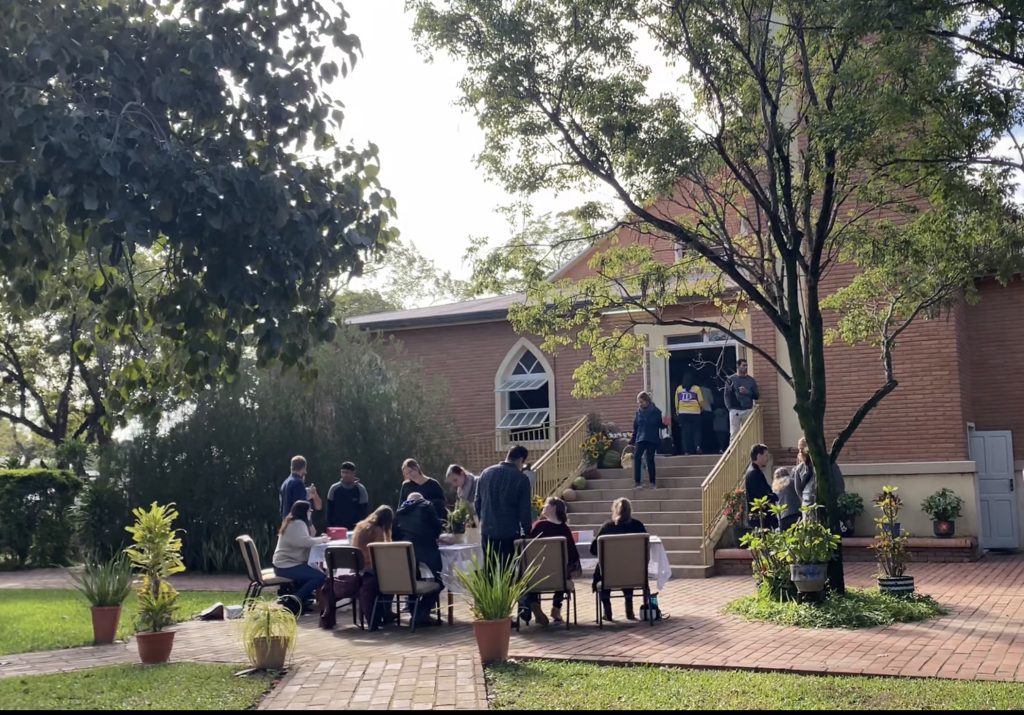
Nearly a century later, this influence remains visible. Congregations continue to organize community events, volunteer initiatives, and social support that reach well beyond religious life.
Healthcare and community responsibility
Healthcare is another central pillar of Mennonite community life, managed by the cooperatives rather than the state.
At the Sanatorio ASCIM, a regional clinic operated by the Association for Indigenous Cooperation, nurse Ulrike describes both the challenges and rewards of working in one of Paraguay’s most remote regions.
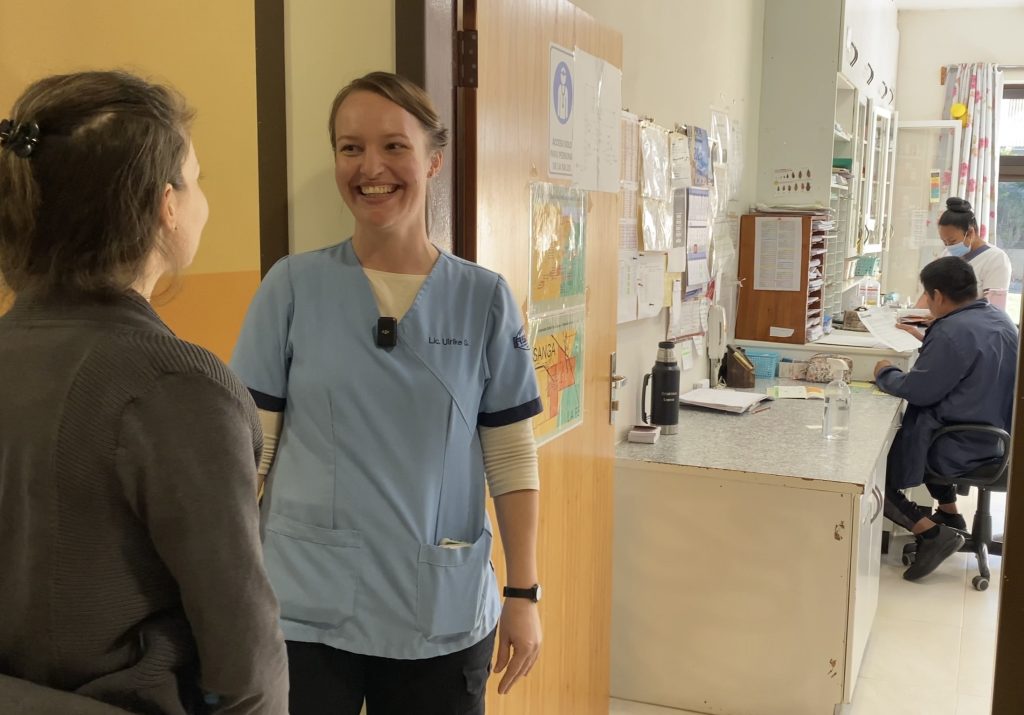
- Origins of healthcare
The clinic began in the 1950s, when early settlers recognized the lack of medical care across the sparsely populated Chaco. Today, medical teams travel regularly to isolated indigenous communities such as Yalve Sanga, offering consultations, maternal care, or pregnancy courses.
The work brings persistent challenges. Patients often seek treatment late, hygiene standards differ, and traditional beliefs influence medical decisions.
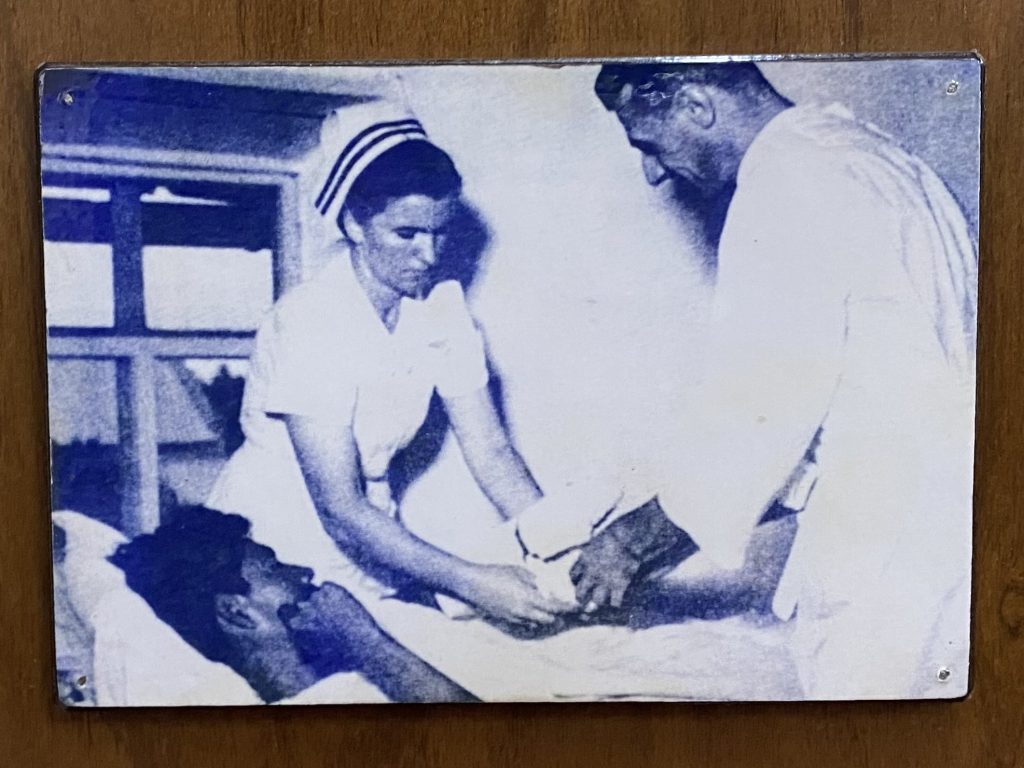
Over time, however, regular visits have improved access to treatment while building trust and continuity between healthcare workers and indigenous families. The goal is not to replace local traditions, but to work alongside communities and expand available choices.
Because public healthcare coverage for indigenous populations remains limited, Mennonite institutions help fill practical gaps through locally organized services.
As Ulrike explains, “For Mennonites, healthcare is not primarily a state obligation but a social responsibility.“
- First ZAP-X in Latin America
A recent impact that will shape the future of the region took place in 2025 when Hospital Concordia Neuland inaugurated the first ZAP-X Gyroscopic Radiosurgery System in Latin America and the Southern Hemisphere — a non-invasive technology used to treat brain tumors. The project reflects how Mennonite institutions increasingly provide advanced medical care far beyond the colonies themselves.
Partnership with indigenous communities
As the Mennonites in Paraguay’s Chaco prospered, contact with indigenous communities expanded and evolved into cooperation. They regard this work as a responsibility that accompanies their prosperity in the region.
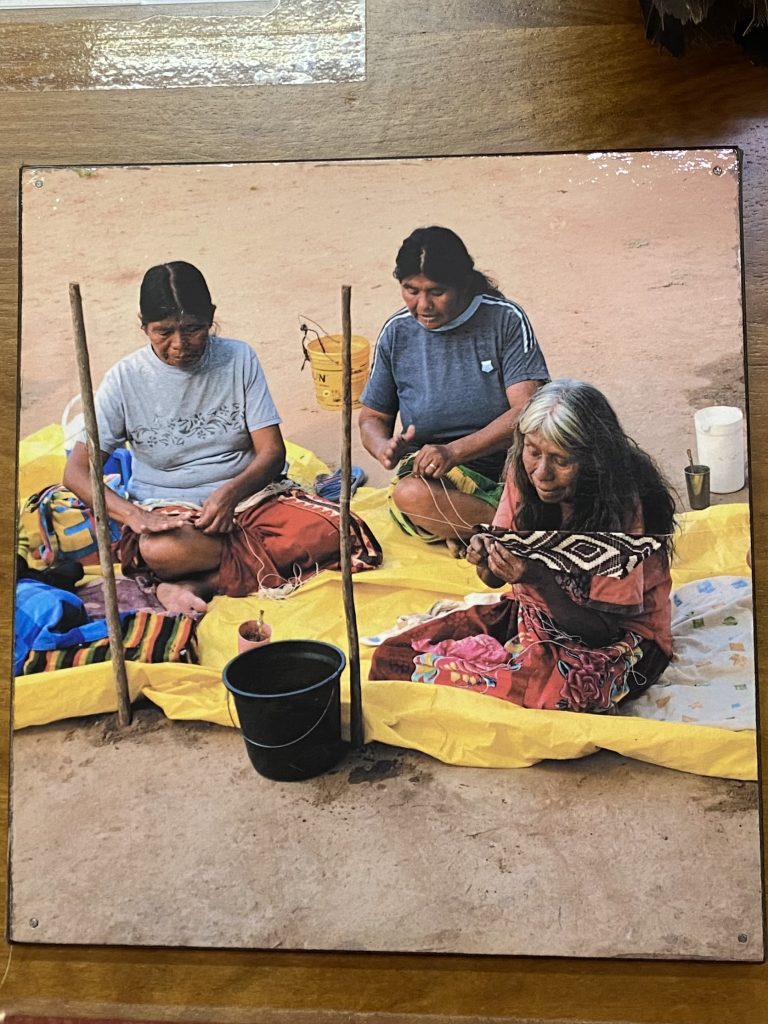
- Association for indigenous Cooperation
ASCIM (Association for Indigenous Cooperation) coordinates education, healthcare, and economic programs across indigenous settlements.
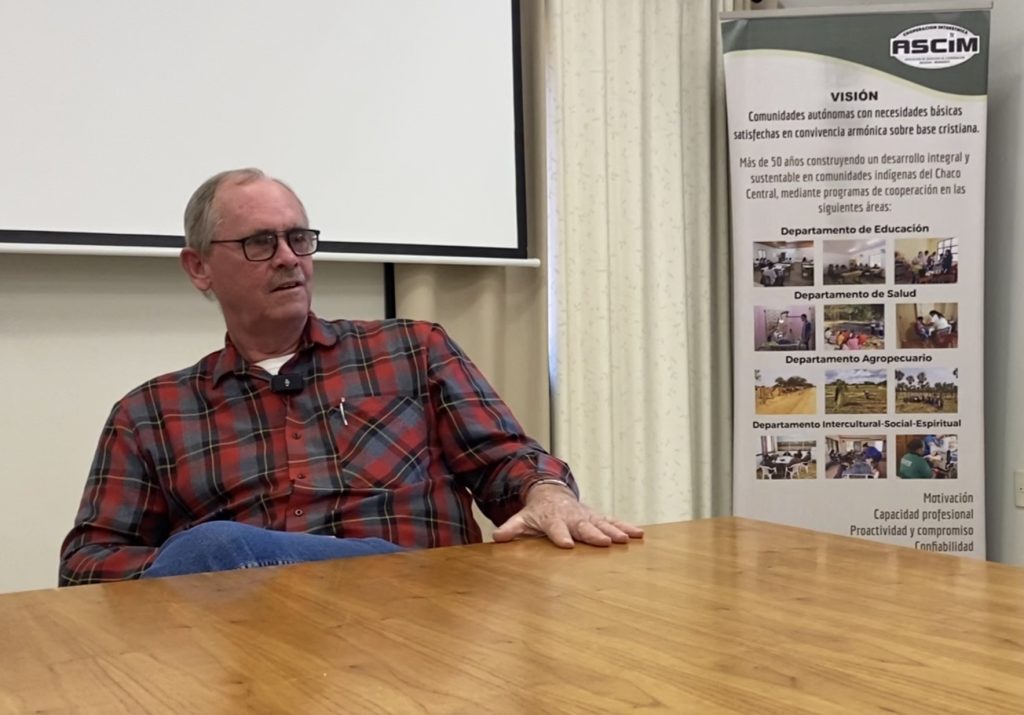
Executive director Willy Franz describes the goal as helping communities build self-sufficiency rather than offering short-term aid — supporting them in developing sustainable livelihoods.
- Centro Educativo ASCIM
At Centro Educativo ASCIM, led by principal Alfred Giesbrecht, indigenous students progress from primary school through graduation, with opportunities for technical training such as business administration. Attendance and dropout rates remain ongoing challenges, reflecting broader social and economic realities.
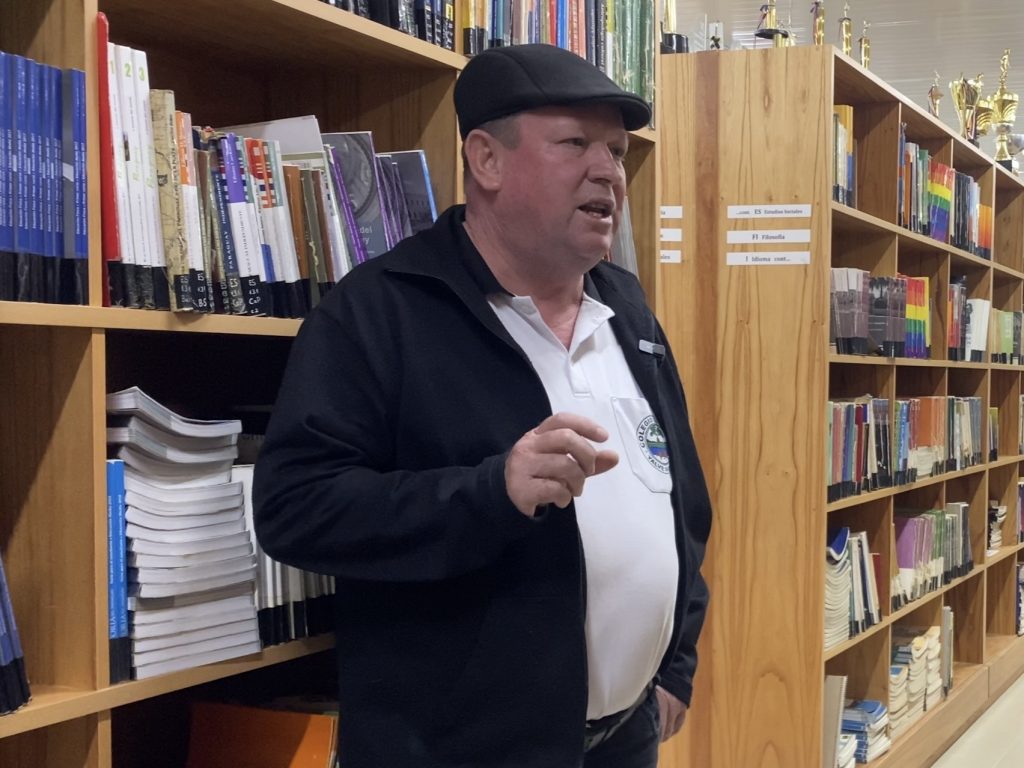
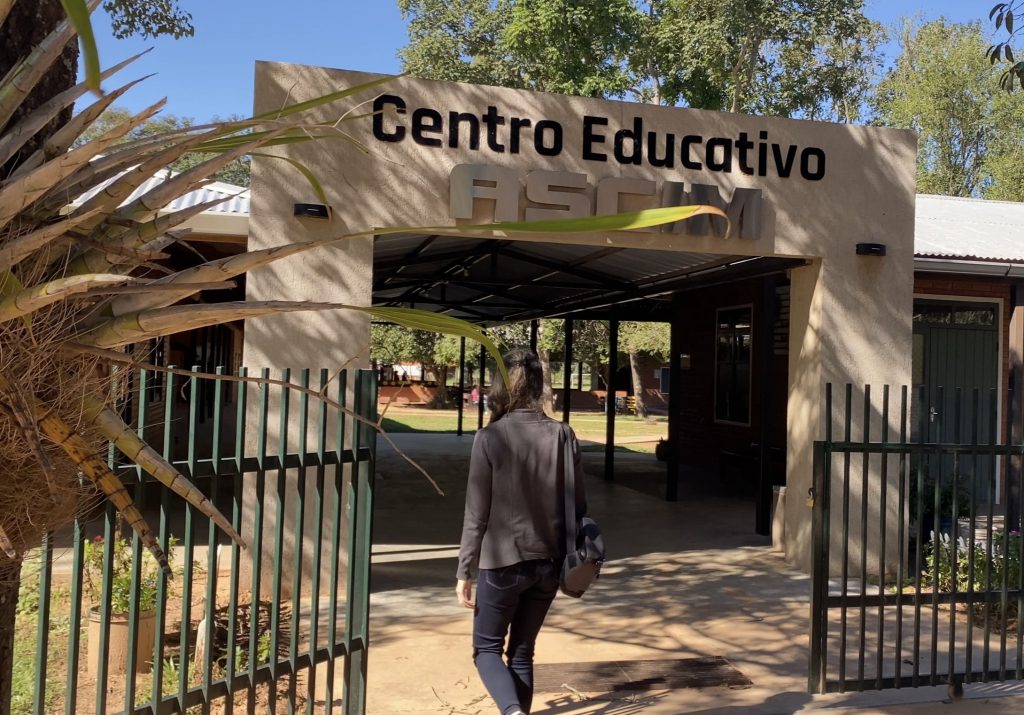
As Giesbrecht explains, trust develops slowly: “Education begins when relationships grow and students feel understood.”
At the same time, literacy rates continue to improve, and schools provide structure, skills, and future prospects for young people. Education has become one of the strongest bridges between communities, opening up opportunities.
- Bridging two worlds
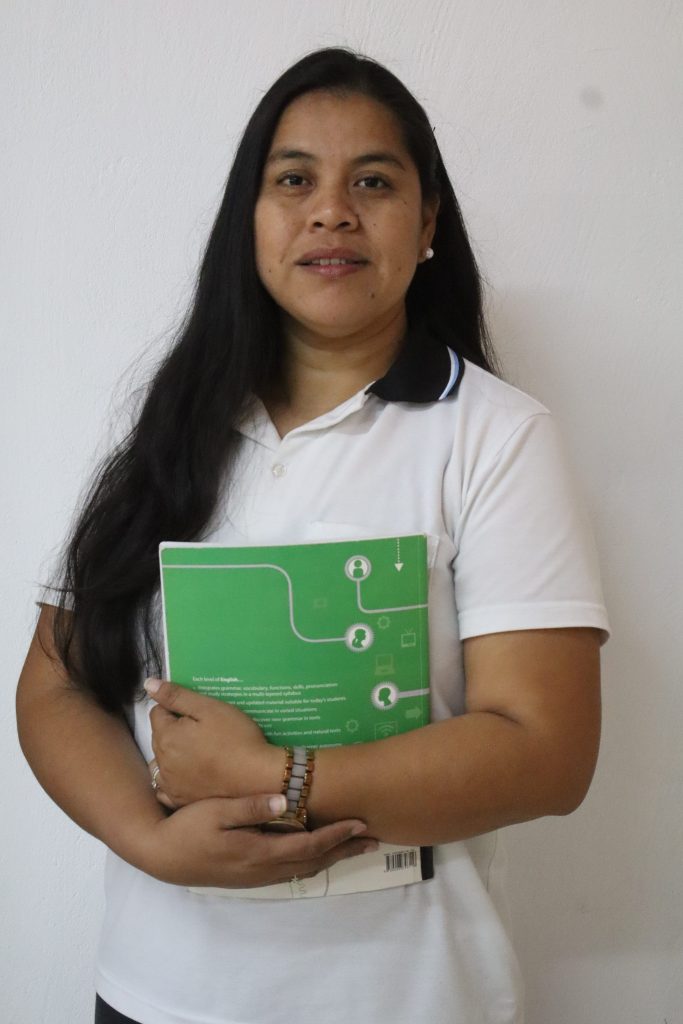
Guaraní tribe Nivaclé teacher Mirta Pérez represents this evolving generation. After studying at Centro Educativo ASCIM, she continued her education in Canada, becoming the first Paraguayan indigenous person to earn a master’s degree in an English-speaking country.
She has since returned to the Chaco, where she teaches indigenous students and serves as a cultural bridge between the indigenous and Mennonites. Her path shows how education can expand opportunities while preserving cultural identity.
From simple settlement to lasting impact
Nearly a century after their arrival, Mennonite communities have created a lasting impact on the Chaco and Paraguay. Much of this development emerged without significant state subsidies, driven instead by faith and collective organization.
Their communal responsibility continues to link church life to daily work, and belief to institution-building and partnerships. The next article explores everyday life inside the colonies: church practice, language, schooling, gender roles, and how Mennonites preserve their identity in modern Paraguay.

