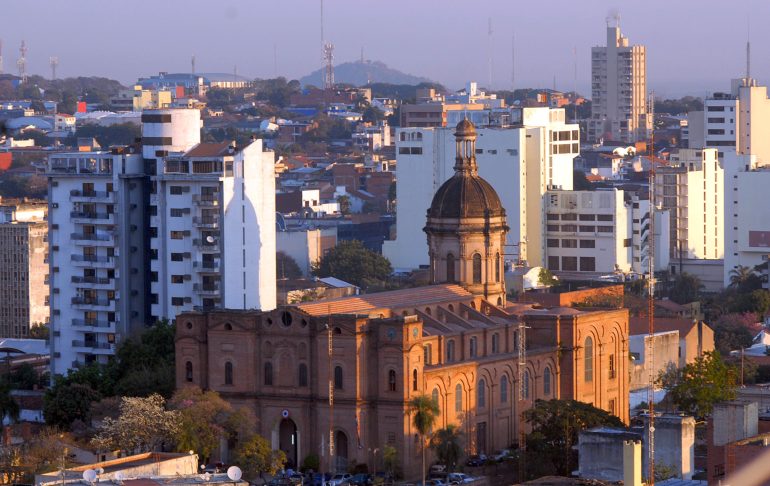

As a bilingual country, Paraguay reflects both Guaraní and Spanish in the names of its people and places. The name of almost every Paraguayan city stands as proof of this linguistic and cultural coexistence. While many urban names have roots in the colonial period and carry strong religious influences, others derive directly from the Guaraní language. A third group honours historical figures who played key roles in shaping the country.
Even several department names come from Guaraní. Examples include Itapúa, Caaguazú, and Ñeembucú, among others. As of today, the focus is on cities. Join The Asunción Times on a journey through the origins of some of Paraguay’s urban names.
Colonial and religious names
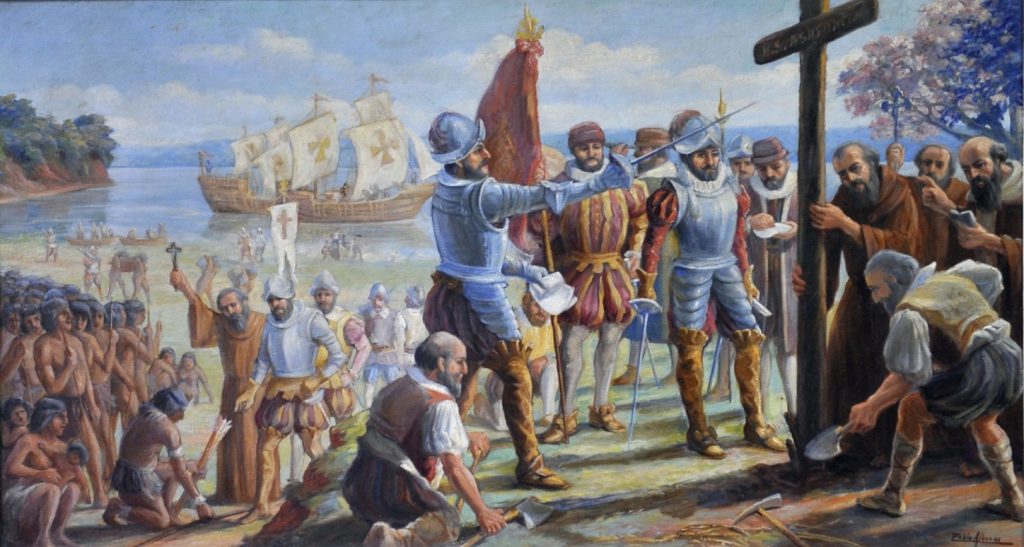
The capital city, Asunción, carries a name deeply tied to Catholic tradition. Its full official name is Nuestra Señora de la Asunción (Our Lady of the Assumption). The city was founded on 15 August 1537, the same day Catholics commemorate the Assumption of Mary. Another example is Villarrica, located in the Guairá department. Villarrica was founded by a Spanish captain in 1570. Its full official name, Villa Rica del Espíritu Santo (Rich Town of the Holy Spirit), reflects both economic aspiration and religious symbolism.
During the colonial era, much of Paraguay’s development and knowledge came through Catholic religious orders. Two in particular shaped the territory as it exists today: the Jesuits and the Franciscans. Jesuit missions, later transformed into towns and cities, were often named after saints associated with their order or specific Marian devotions, sometimes incorporating Guaraní terms. Franciscan foundations followed a similar pattern, though Guaraní elements appeared more prominently in their names.
The Jesuits founded San Ignacio Guazú (Saint Ignatius the Great) in the present-day Misiones department in 1609. Encarnación, founded in 1615, originally named Nuestra Señora de la Encarnación de Itapúa, meaning “Our Lady of the Incarnation of the stone summit”. San Cosme y San Damián (Saint Cosmas and Saint Damian), founded in 1632, became known for its astronomical observatory, which still attracts visitors today.
The Franciscans founded San Lorenzo de los Altos in 1580 (Saint Lawrence of the Highlands), now known simply as Altos, in the Cordillera department. In the same year, the town of Atyrá appeared under the name San Francisco de Atyrá (Saint Francis of the meeting place). Five years later, Itá emerged as San Blas de Itá (Saint Blaise of the Stone).
Guaraní names
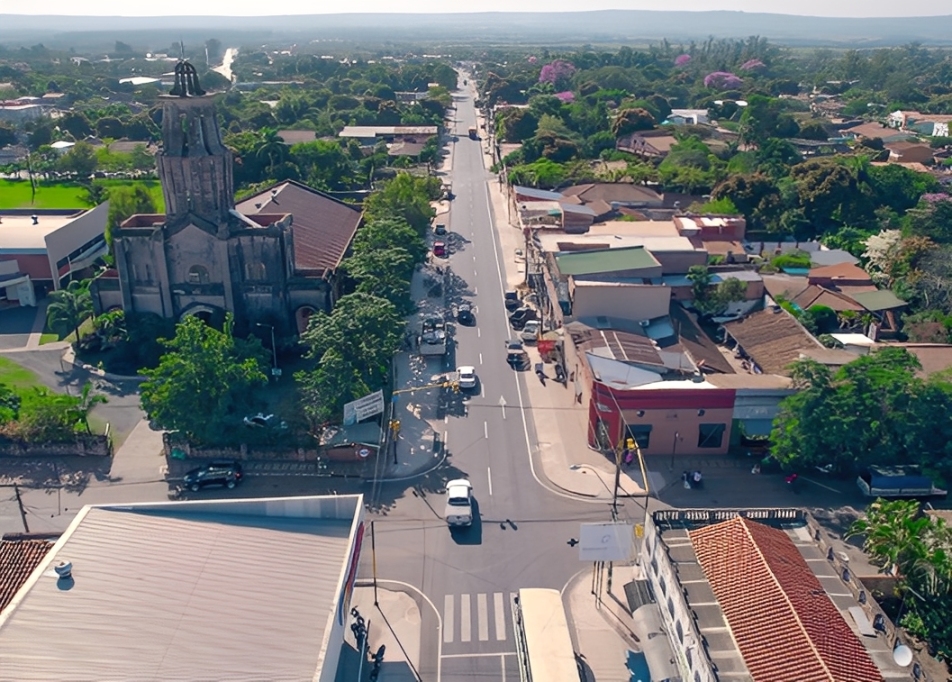
Several Paraguayan cities preserve purely Guaraní names. Lambaré refers to a Guaraní chief who resisted Spanish occupation and lived in the area where the city stands today, in the Central department. Itauguá, also in Central, translates as “place of stones”. Ypacaraí, the town right next to the lake, is commonly interpreted as “the blessed lake” or “the lake of the sir”.
In the south, Cambyretá, located next to Encarnación, means “land of milk”. Caaguazú, both a city and a department, translates as “great forest”. Caacupé, capital of the Cordillera department, means “behind the yerba forest”.
Paraguay stands out in the region due to the uninterrupted use of Guaraní throughout the colonial period. Indigenous communities, priests, mestizos, and creoles all used the language in daily life. This continuity allowed Guaraní to survive and flourish. City names written in Guaraní remain living evidence of that survival, functioning as both cultural identity and national pride.
Historical figures names
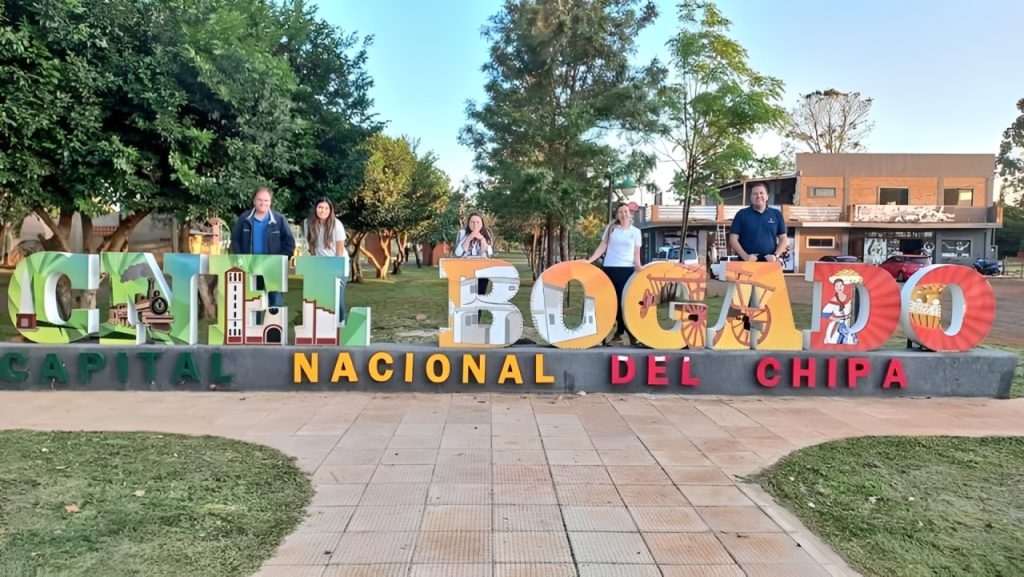
Many cities across the country honour military and political figures. Coronel Bogado, often referred to as the capital of chipa, commemorates a revolutionary colonel who fought alongside Argentine leader José de San Martín. Coronel Oviedo, in the Caaguazú department, remembers a colonel who fought in the War against the Triple Alliance (1864–1870). According to a popular anecdote, he later volunteered to fight in the Chaco War (1932-1935) despite his advanced age.
Mariscal Estigarribia, in the Boquerón department of the Chaco region, bears the name of the victorious marshal of the Chaco War, who later became president. Pedro Juan Caballero, capital of the Amambay department, honours one of Paraguay’s most prominent independence leaders. Presidente Franco, located next to Ciudad del Este in Alto Paraná, commemorates Manuel Franco, president between 1916 and 1919.
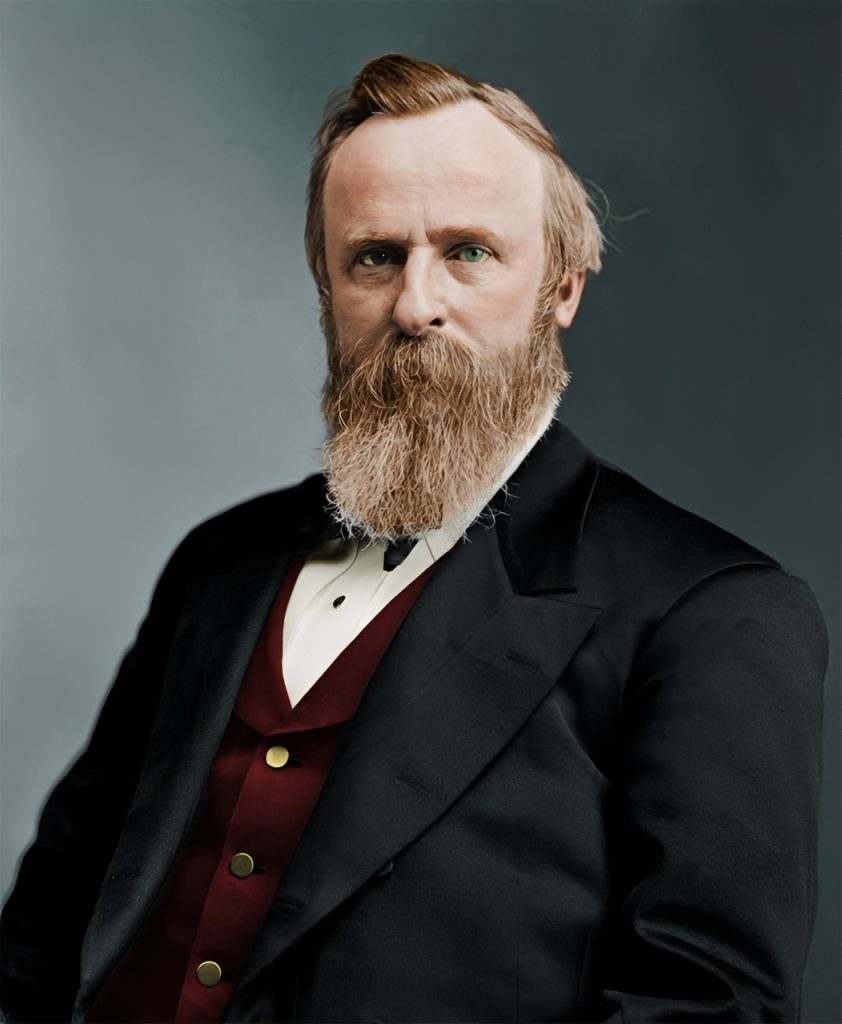
One name may seem unexpected: Villa Hayes, in the department of Presidente Hayes. The city honours Rutherford B. Hayes, President of the United States from 1877 to 1881. Hayes served as an international arbitrator in a territorial dispute between Paraguay and Argentina over the Chaco region, ruling in Paraguay’s favour and securing a vast portion of the Chaco Boreal for the country.
Many of the cities mentioned under this category originally had different names, some religious and others in Guaraní. Renaming them served to honour individuals who, in one way or another, shaped Paraguay’s political, military, or territorial history.
A map of many stories
Paraguayan city names reveal a country built through layers of Indigenous knowledge, colonial imposition, religious influence, and political memory. Guaraní words coexist with Spanish saints, military heroes stand alongside rivers and forests, and foreign figures appear next to ancient place names.
Far from being mere labels, these names function as historical markers. Together, the names form a multicultural map that reflects Paraguay’s complex past: a nation shaped by resistance, faith, conflict, and cultural endurance, still visible every time a city name is spoken aloud.
If you want to know more Paraguay´s geography, history, and statistics, check the Paraguayan map article.