
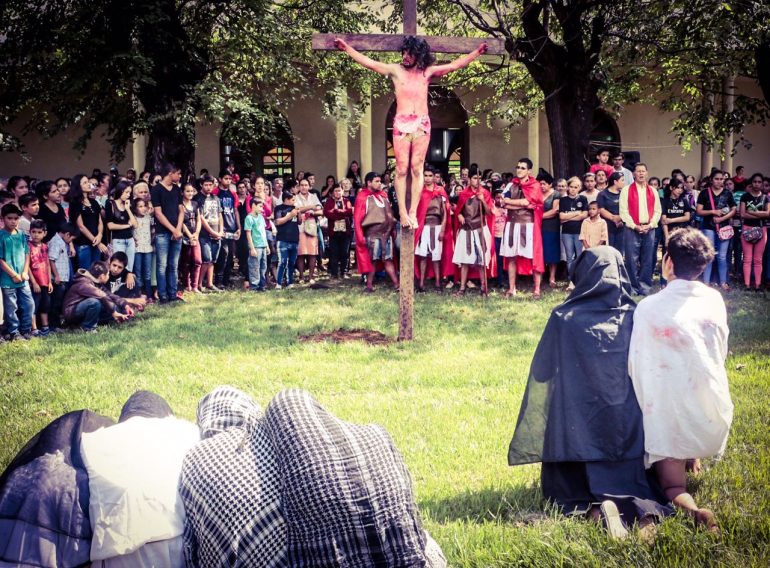

Good Friday is a very solemn and traditional day in Paraguay. It is not only because of what is commemorated, but also because of what happens throughout the day. From grandmothers´ traditions of absolute silence to (almost) complete fasting: this is what defines Good Friday in Paraguay.
With Paraguay being a predominantly Catholic country, almost every person in Paraguay respects this day. Others take advantage of it being a national holiday to visit their families or travel abroad. The Asunción Times tells the story of the most silent day of the year in Paraguay, Good Friday.
Its importance for people in Paraguay
According to the Catholic religious calendar, Good Friday is one of the most important days of the Holy Week. The entire week serves as a preparation for this day, which marks the crucifixion and death of Jesus Christ. It also forms part of Lent, the 40 days of preparation for Easter Sunday, the day Jesus was reborn. Furthermore, it is the only day of the year with no masses. Instead, community liturgies or living Stations of the Cross take place.
Good Friday is a day of solemnity and reflection, especially for older generations. It is one of the most important days of the year for religious reasons, but also a moment to spend with family. There are many traditions during Holy Week, both from the Catholic Church and Paraguayan cultural customs. Families spend time together, often in the quiet of their homes, with no big parties or asados.
What is there to eat on Good Friday?
First of all, it is important to understand that eating meat is not strictly forbidden. There is no formal religious law that completely bans its consumption. However, avoiding meat, especially red meat such as beef, is seen as an act of penance and sacrifice, in harmony with the suffering of Christ.
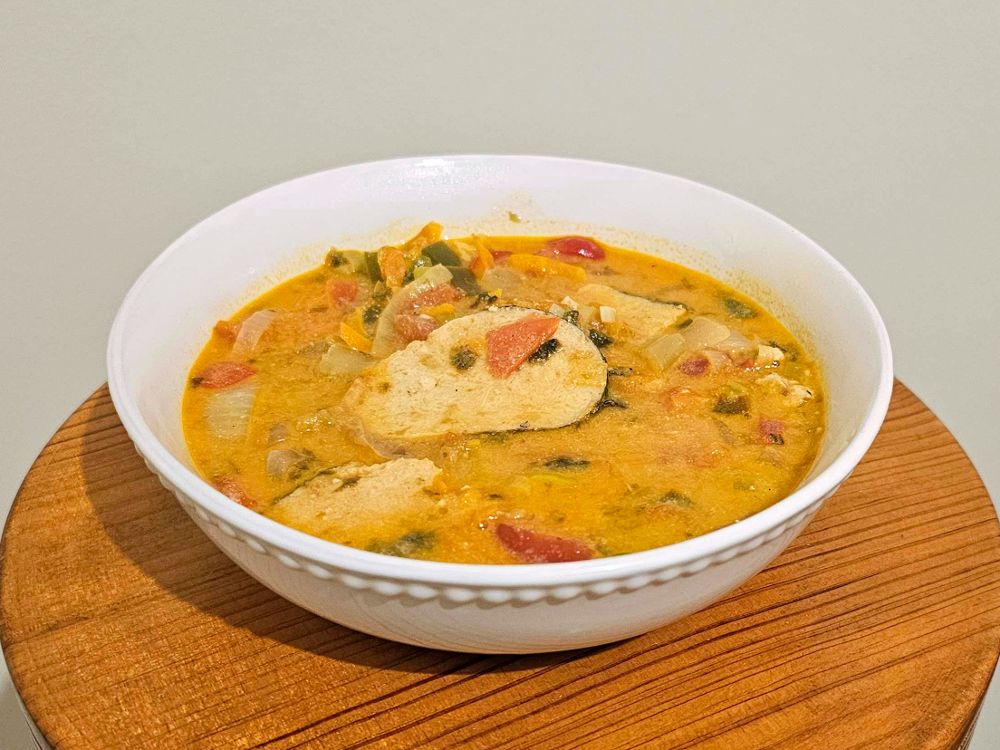
In Paraguayan society, not eating an asado on a Friday might seem unusual. Nonetheless, many families and friends choose to eat red meat on Holy Thursday night, traditionally associated with the Last Supper. On Good Friday, white meats such as chicken or fish are commonly consumed. One of the most traditional dishes is pira caldo, a fish soup widely prepared across the country. Meat-free foods are even more common. With dishes such as chipa, chipa guazú, Paraguayan soup or mbejú being staples of the week.
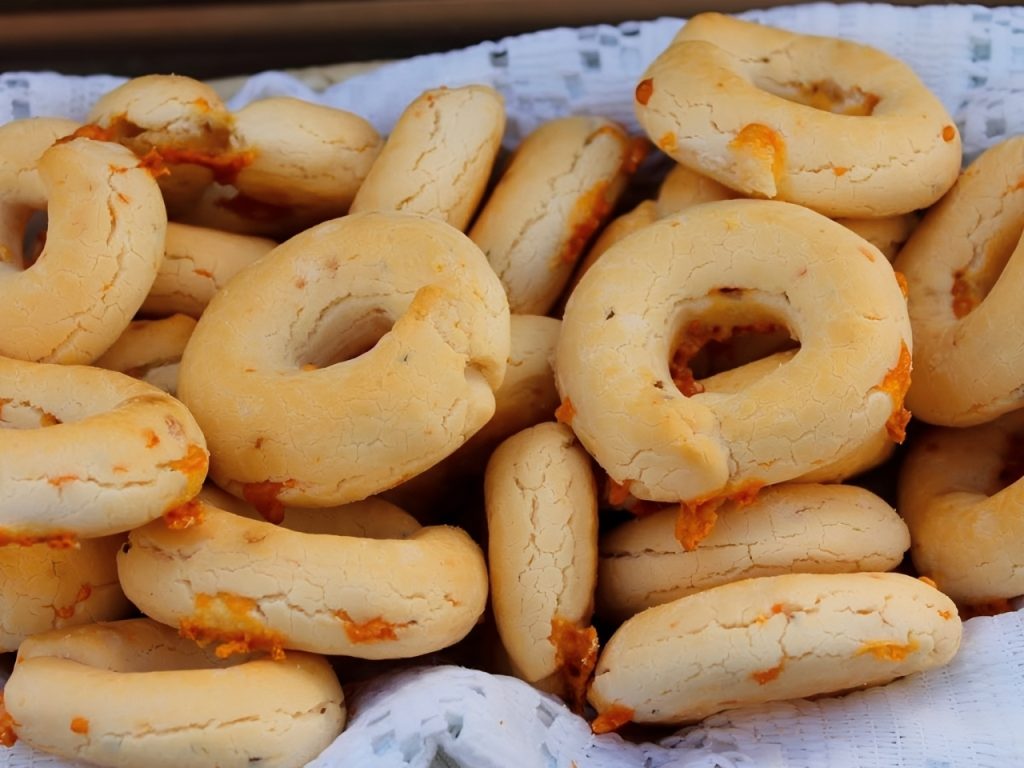
Chipa, in particular, stands as a symbol of both Paraguayan cuisine and Holy Week traditions. Every family has its own way of preparing it, usually during Holy Wednesday or Holy Thursday. people in Paraguay also drink cocido or mate. Cocido is a typical infusion, like mate. Fasting remains an important element, with older generations often reducing their food intake significantly, or avoiding meat altogether unless necessary.
Traditions of Good Friday in Paraguay
Many people in Paraguay traditions associated with this day come from older generations, especially grandmothers, rather than directly from the Catholic Church. For them, Good Friday is a day dedicated to prayer, silence and fasting.
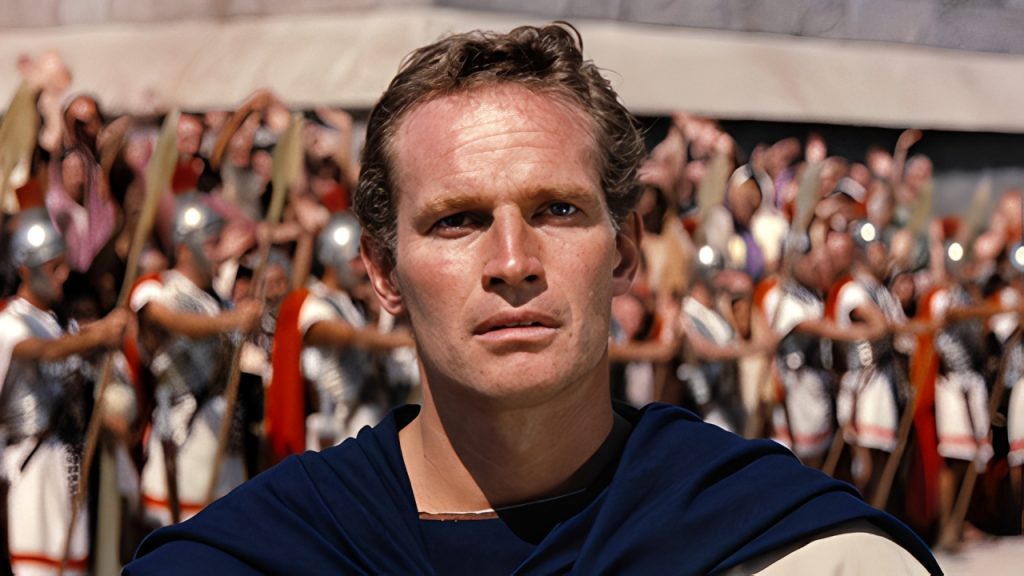
In the past, children were not allowed to play, run, shout or make loud noises. Music was forbidden, and even watching television had to be done quietly. During Holy Week, television programming traditionally included religious films such as the Hollywood classic Ben-Hur or the more recent The Passion of the Christ. Your typical Paraguayan grandmother has watched the iconic chariots race in Ben-Hur several times.
According to some grandmothers, breaking these unwritten rules could lead to severe consequences. Even eternal punishment, for not respecting the solemnity of the day. Nowadays, younger generations tend to be more flexible. While they still respect the traditions and beliefs of their elders, they allow more freedom in daily activities. Music can be played, and children are no longer held to the same strict rules. Although the overall tone of the day remains respectful.
A day of stopping and silence
It is also important to note that even non-believers often respect Good Friday. For some, it is simply a public holiday, an opportunity to rest, travel or spend time with loved ones. Still, the atmosphere across the country changes noticeably.
Streets become quieter, daily routines slow down and a sense of pause takes over. Whether through faith, tradition or habit, Good Friday in Paraguay remains a unique moment in the year. A day where silence, reflection and cultural identity come together.

