
In many contemporary accounts, heavily influenced by Christian tradition, the term Aña Guasu is often translated as “Great Demon”. However, this interpretation oversimplifies a far more intricate concept within South American Chaco indigenous cosmovisions.
In the Guaraní language, the word aña denotes a wandering spirit or soul. Some etymological studies suggest that it stems from the union of â (soul) and ña (to wander or stray), meaning “the soul that wanders.”
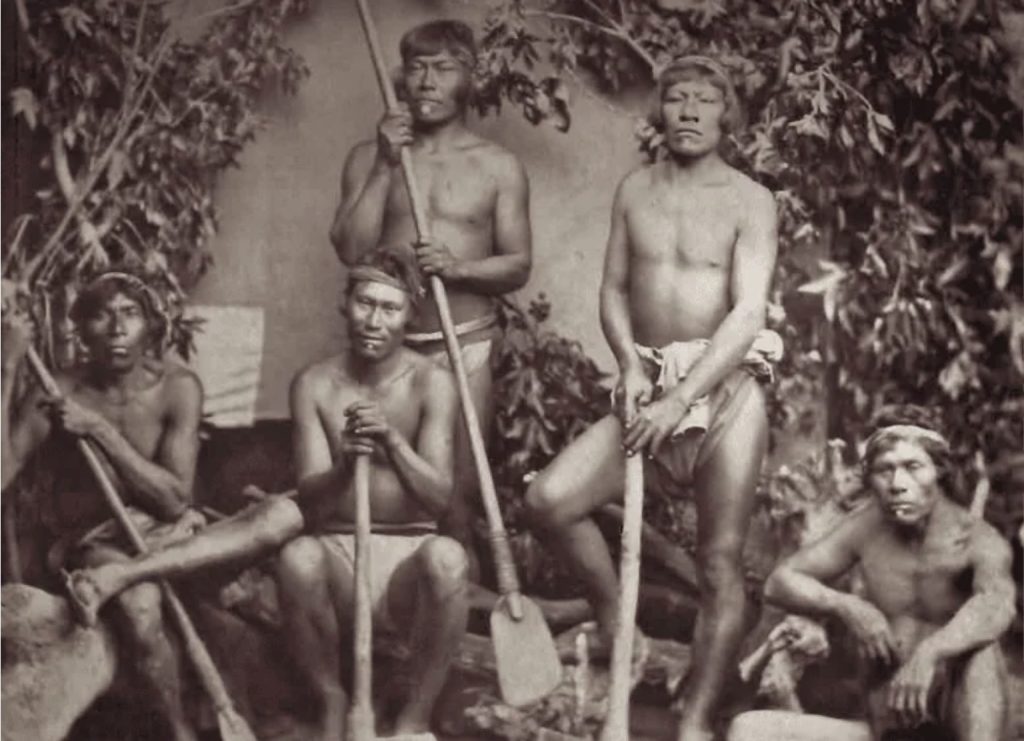
From this perspective, the aña do not necessarily represent malevolent forces. Various Guaraní traditions, as well as those of the Chané and Chiriguanos, associate these spirits with the deceased and ancestors who remain tethered to the world of the living.
The notion of Aña Guasu as a demonic figure arose primarily during colonisation, when Christian missionaries reinterpreted indigenous concepts to explain European religious notions. Over time, this reinterpretation spread, altering the original meaning of the term.
Wandering spirits and ancestral memory
For many Gran Chaco communities, aña represent souls of the dead who still pass through places they once inhabited. They are not entirely “good” or “bad” entities. Their presence is part of a spiritual universe where the balance between the living, the dead, and nature is fundamental.
Some accounts describe these souls as spirits that stay near their communities while seeking their final destination. In this sense, collective memory and respect for one’s forebears deeply tie to their existence. This spiritual vision is most vividly manifested in one of the most significant celebrations of the Guaraní world: the Arete Guasu.
Arete Guasu: The great feast of the Guaraní people
Arete Guasu, meaning “Great Feast”, is a traditional celebration of Western Guaraní communities in Paraguay, Bolivia, and Argentina.
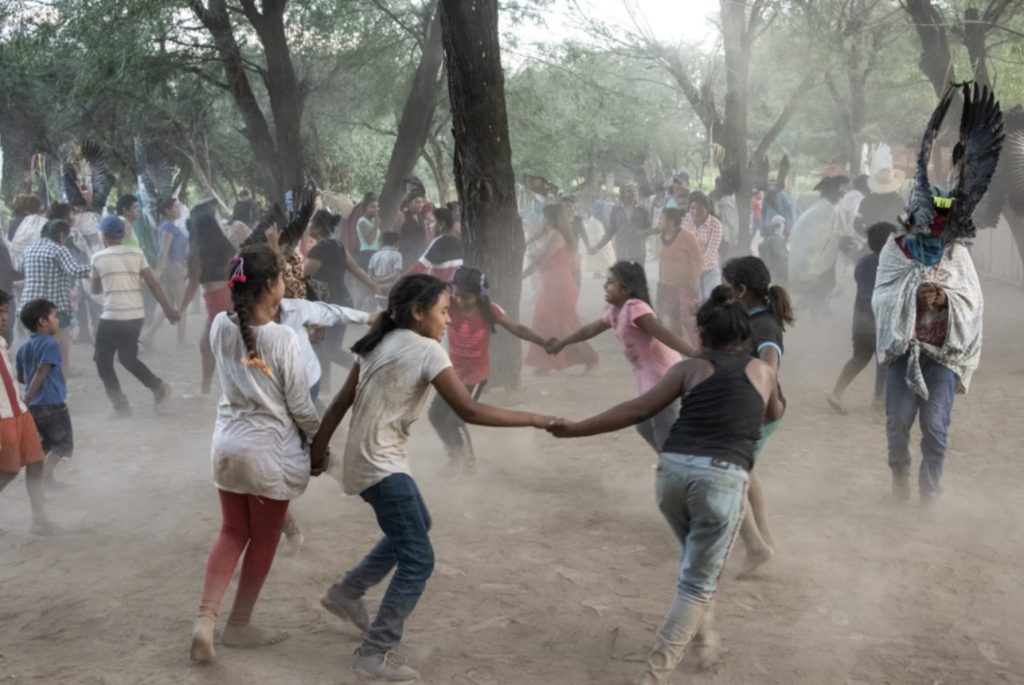
For several days, communities gather to dance, sing, and participate in rituals that honour their ancestors. The festival currently coincides with the Carnival period, though its origins are far older, rooted in agricultural cycles and spiritual ceremonies.
During the Arete Guasu, the music of flutes and drums sets the rhythm for collective dances. Men, women, youth, and elders join in circles that symbolise the continuity of life and communal unity. Maize, used to make chicha, symbolizes fertility and gratitude for the harvest during the celebration.
Masks and the presence of the ancestors
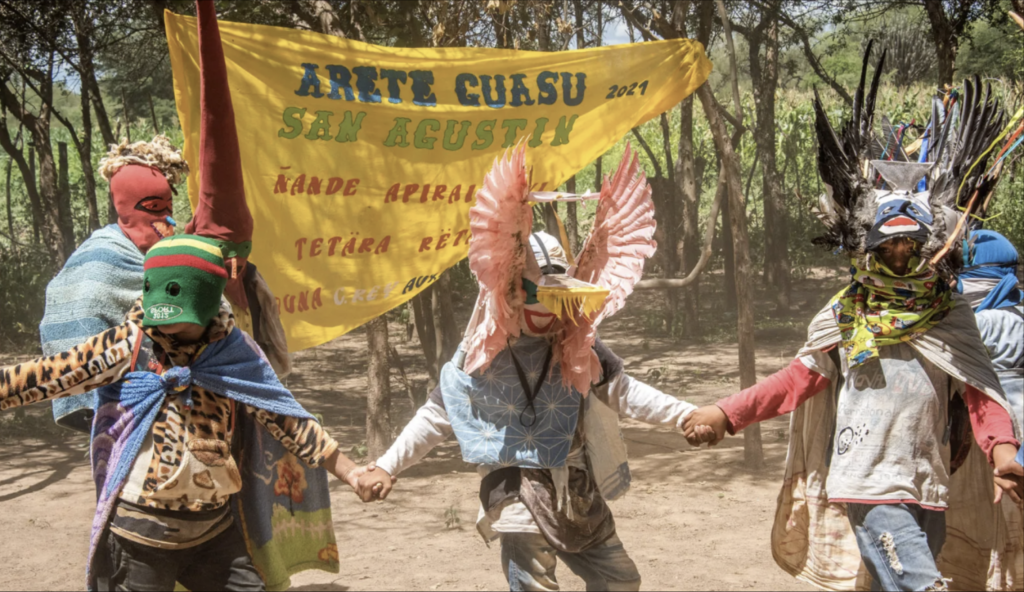
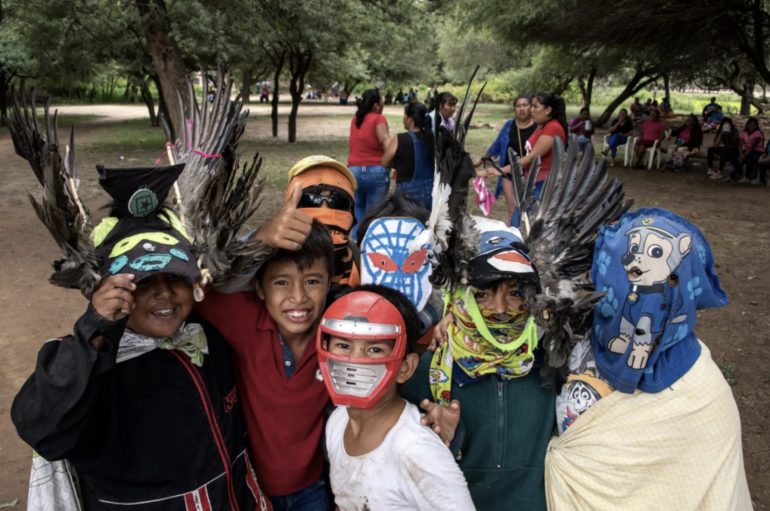
One of the most distinctive elements of the Arete Guasu are the masks known as aña-añas. These masks represent the spirits of the ancestors who, according to tradition, return during the celebration to reunite with the living. Those who wear them symbolically embody these spirits, taking part in ritual dances and games.
Through these representations, the Arete Guasu creates a symbolic space where the worlds of the living and the dead converge. At the end of the celebration, participants destroy or discard many of these masks. This act symbolises the spirits’ return to their own world and marks the closing of the ritual cycle.
More than Mythology: An extraordinary culture
Although people often interpret figures like the Aña Guasu as myth, the Arete Guasu shows these beliefs remain alive. It expresses a living culture where spirituality, memory, art, and community life intertwine.
The masks, dances, and characters that appear during the festival do not only represent spirits or mythical animals; they also reflect the history of the Chaco peoples, their encounters with other cultures, and the transformations they have undergone over time.
In this sense, the Arete Guasu is not simply a folkloric celebration. It is a moment in which the community reaffirms its identity, remembers its ancestors, and keeps alive a cosmovision that connects human beings with nature, the past, and the land.
This is the fourth article in our Guaraní Legends series. You can read the previous episodes, The Pombero: Lord of the Night, Guardian of the Guaraní Wilds, The Curse of Tau and Kerana, and Rupavẽ and Sypavẽ to learn more about Paraguay’s rich myths and legends.