
Every 24 February, Paraguay commemorates Paraguayan Women’s Day, recognising the vital role women have played in the nation’s history and honouring them as rebuilders of the country. The day celebrates past, present, and future generations of Paraguayan women.
The date marks the First Assembly of American Women, held in Asunción on 24 February 1867. That day, Paraguayan women gathered in the Plaza de Mayo and donated their last valuables, mainly jewellery, to support the homeland during the War of the Triple Alliance. Having lost husbands, sons, fathers, and brothers, these women were later known as Las Residentas.
On this occasion, The Asunción Times honours five women who shaped Paraguay’s history: Juana María de Lara, Ramona Ferreira, Serafina Dávalos, Concepción Leyes de Chaves, and Carmen Casco de Lara Castro.
Juana María de Lara, a hero of Paraguayan Independence
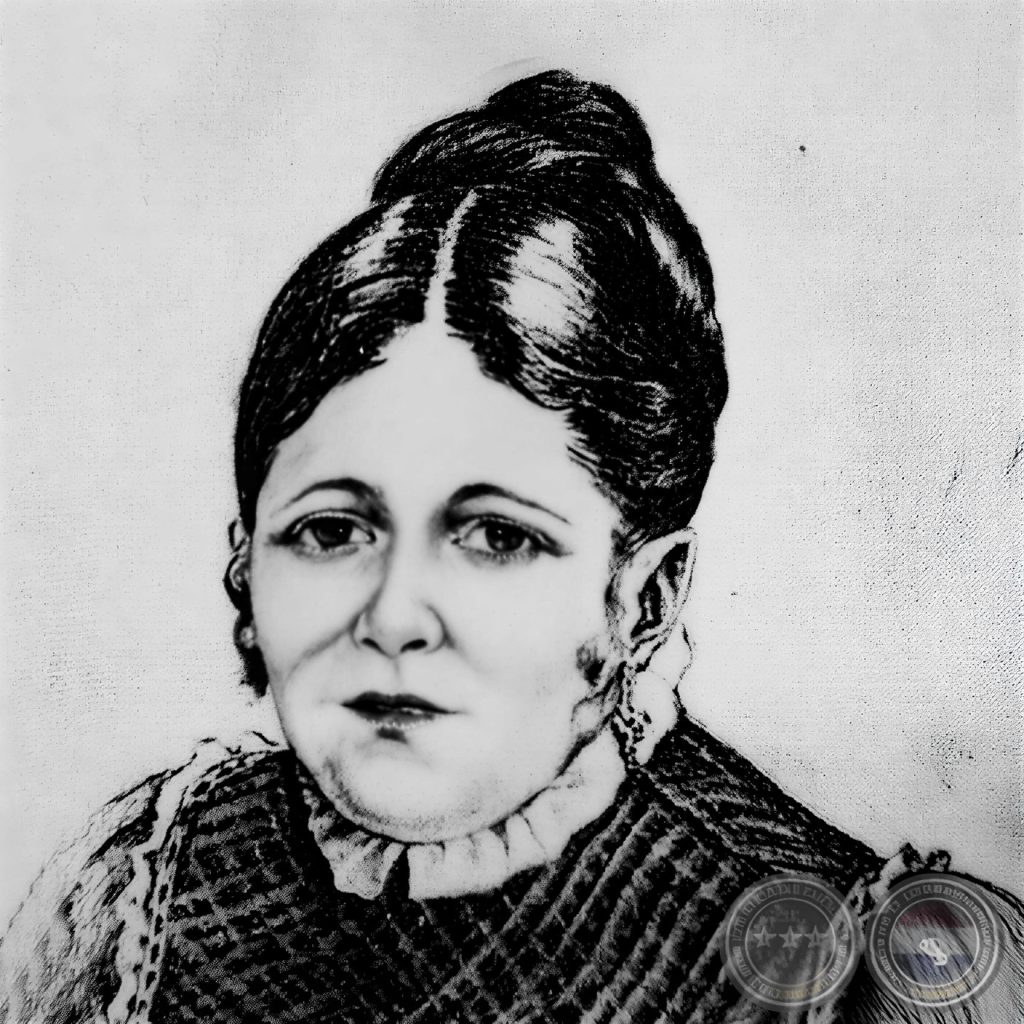
Born in 1760, Juana María de Lara was a key figure in Paraguay’s independence movement and was later declared a national hero (prócer) under Decree Law No. 4,082/10, the only woman to receive this distinction.
After her husband’s death, she devoted herself to religious service, joining the Third Order of St Francis and serving at the Cathedral of Asunción. These roles allowed her to move discreetly through the city, acting as a secret messenger for the independence conspirators.
She helped spread messages among revolutionaries and rang the church bells to gather citizens. On the night of 14 May 1811, she delivered the watchword “Independence or death,” marking the end of Spanish rule in Paraguay.
Ramona Ferreira, the first female journalist in Paraguay
A daughter of the post-war era, Ramona Ferreira was likely born between 1875 and 1880. She became Paraguay’s first female journalist, a free thinker, and an early feminist advocating for women’s civil and political rights. She began as an educator but soon turned to journalism, then considered unsuitable and even forbidden for women.
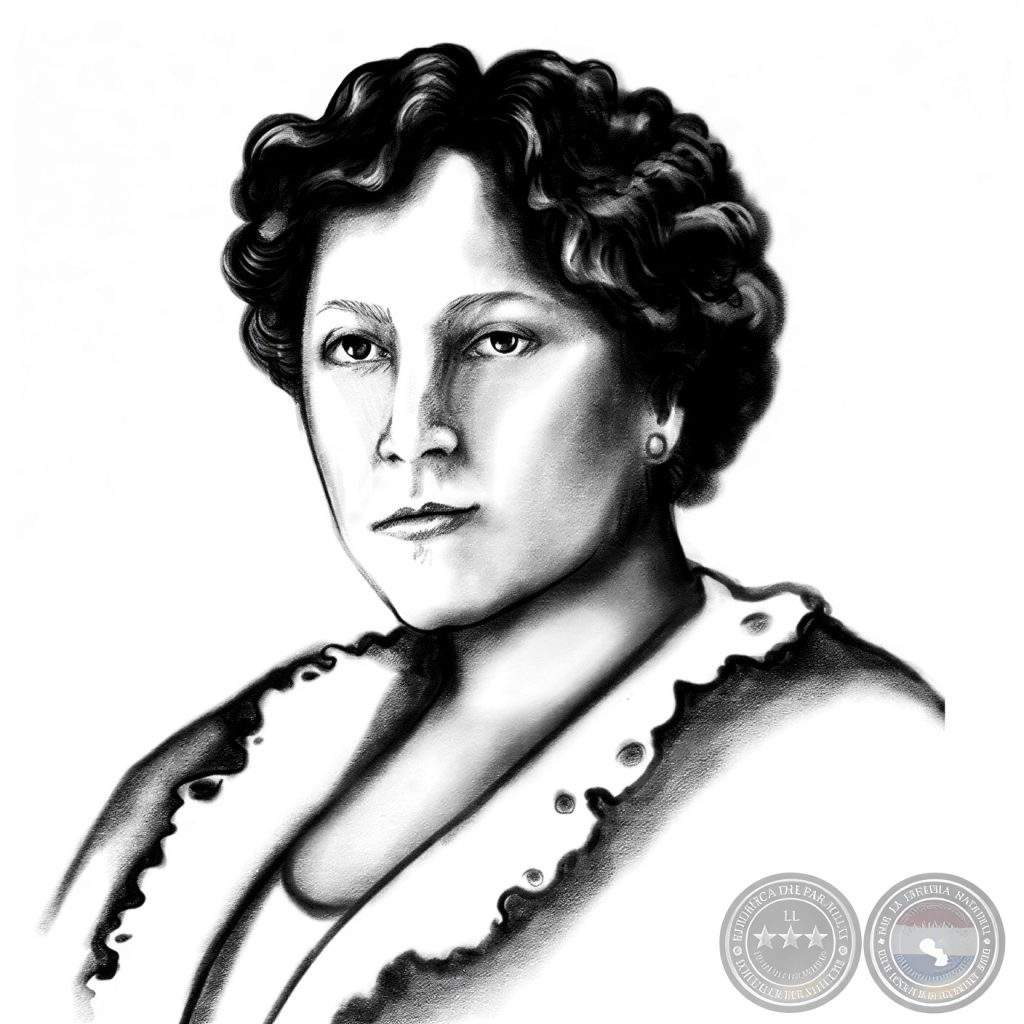
Between 1901 and 1902, the newspaper El Porvenir published her work. In 1902, she founded and directed La Voz del Siglo, becoming the first woman in Paraguay to lead a newspaper. Through this platform, she challenged conservative norms and criticised clerical influence on women’s roles and rights.
Her questioning of religious influence in government and her advocacy for women’s active participation in civic life caused hostility. In 1904, armed groups attacked and destroyed the printing press of La Voz del Siglo, effectively silencing the newspaper. Ramona Ferreira’s legacy endures, paving the way for Paraguayan women to overcome barriers and claim their place in public life.
Serafina Dávalos, the first female lawyer in Paraguay
Born in 1877, Serafina Dávalos became Paraguay’s first female lawyer and one of the country’s most prominent early feminists. In 1907, at the age of 24, she earned her doctorate in law with the presentation of her thesis, “Humanismo”. The work was a passionate defence of women’s rights and a critique of Paraguay’s cultural, educational, political, and legal systems at the time.
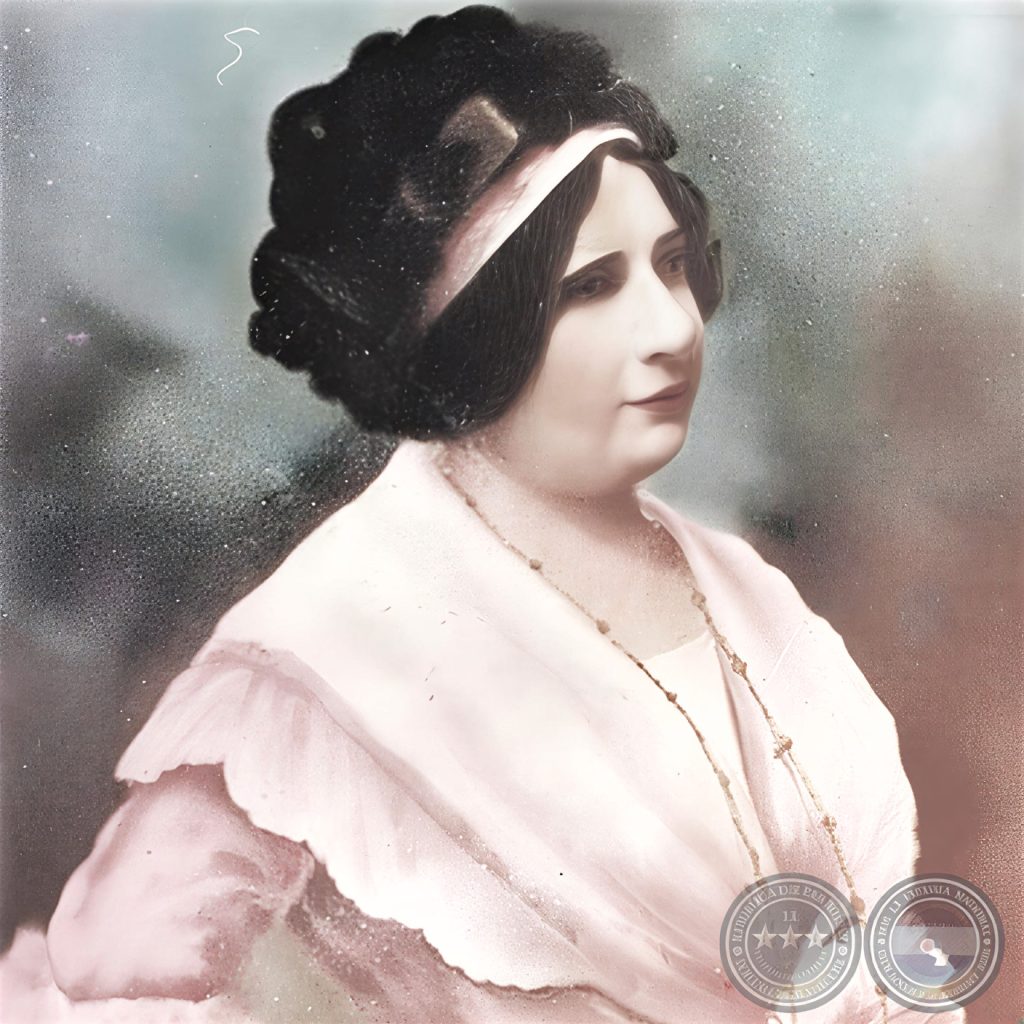
In 1908, she held the position of Member of the Superior Court of Justice, the highest-ranking body in the judiciary. Dávalos founded and participated in several organisations, including the Feminist Movement of Asunción, Paraguayan Feminist Center, Women’s Union, and Paraguayan League for Women’s Rights. She also founded the Commercial School for Girls in 1904.
In Humanismo, reflecting her commitment to equality, she wrote: “If we wish to build a truly democratic country where freedom, justice and equality are living realities, we must begin by organising the home on the basis of perfect equality.”
Concepción Leyes de Chaves, a distinguished figure in education and diplomacy
Concepción Leyes de Chaves was a writer, journalist, educator, and diplomat, born in Caazapá in 1890. She significantly influenced education through her reading books, widely used in Paraguayan primary schools for decades.
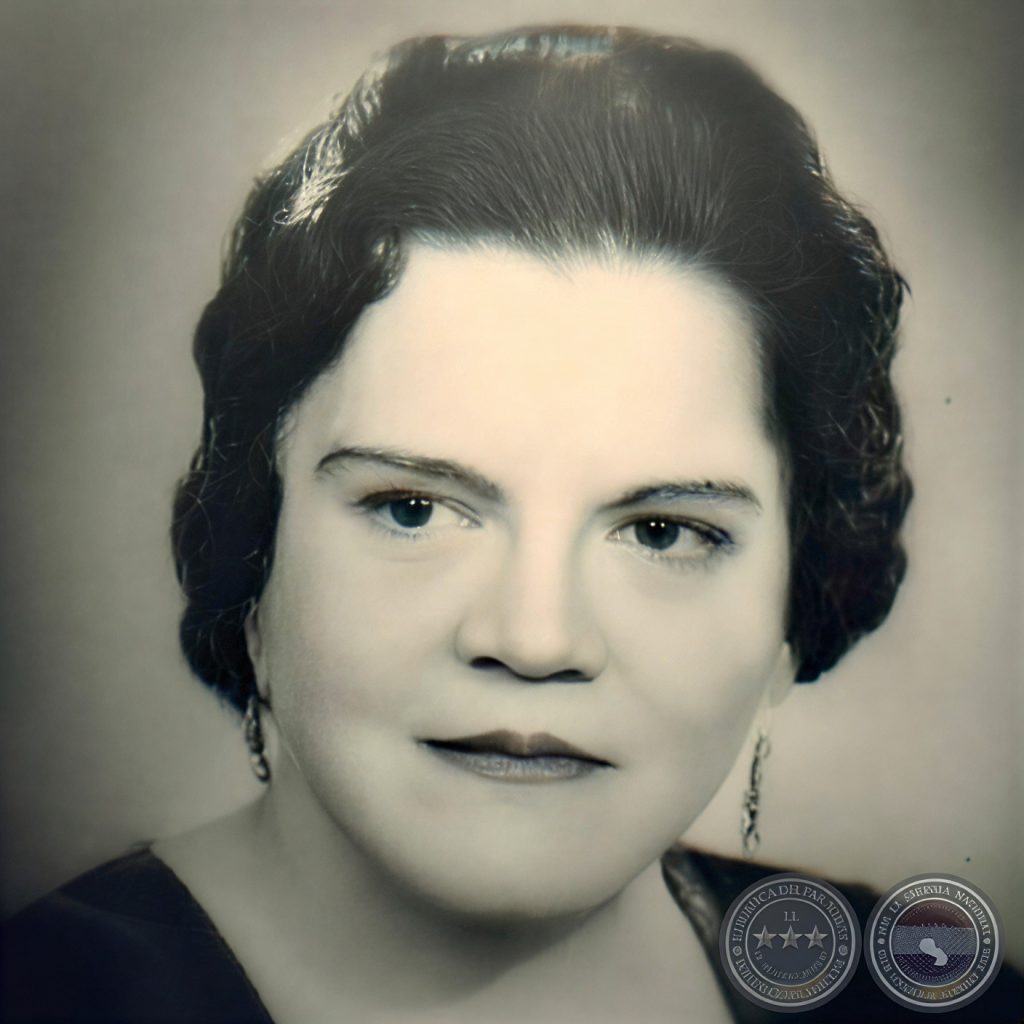
Throughout her career, she gave over thirty lectures and wrote articles for newspapers in Paraguay and neighbouring countries. Her work earned her numerous national and international honours. As a diplomat, she was elected President of the Inter-American Commission of Women, based in Washington, D.C., in 1953. The following year, she served as Alternate Delegate and Minister Plenipotentiary to the Organization of American States (OAS).
In 1955, she played a key role in advancing the recognition of women’s legal rights in America. This achievement earned her a place among the four most outstanding women of the year in Washington, D.C. Her work also represented an important step toward the eventual achievement of women’s suffrage in Paraguay.
Carmen Casco de Lara Castro, an advocate for human rights
Born in 1919, Carmen Casco de Lara Castro was a leading Paraguayan human rights activist during Alfredo Stroessner’s dictatorship (1954–1989). Known as “La Señora Libertad,” she defended civil liberties and women’s rights in a time of repression.
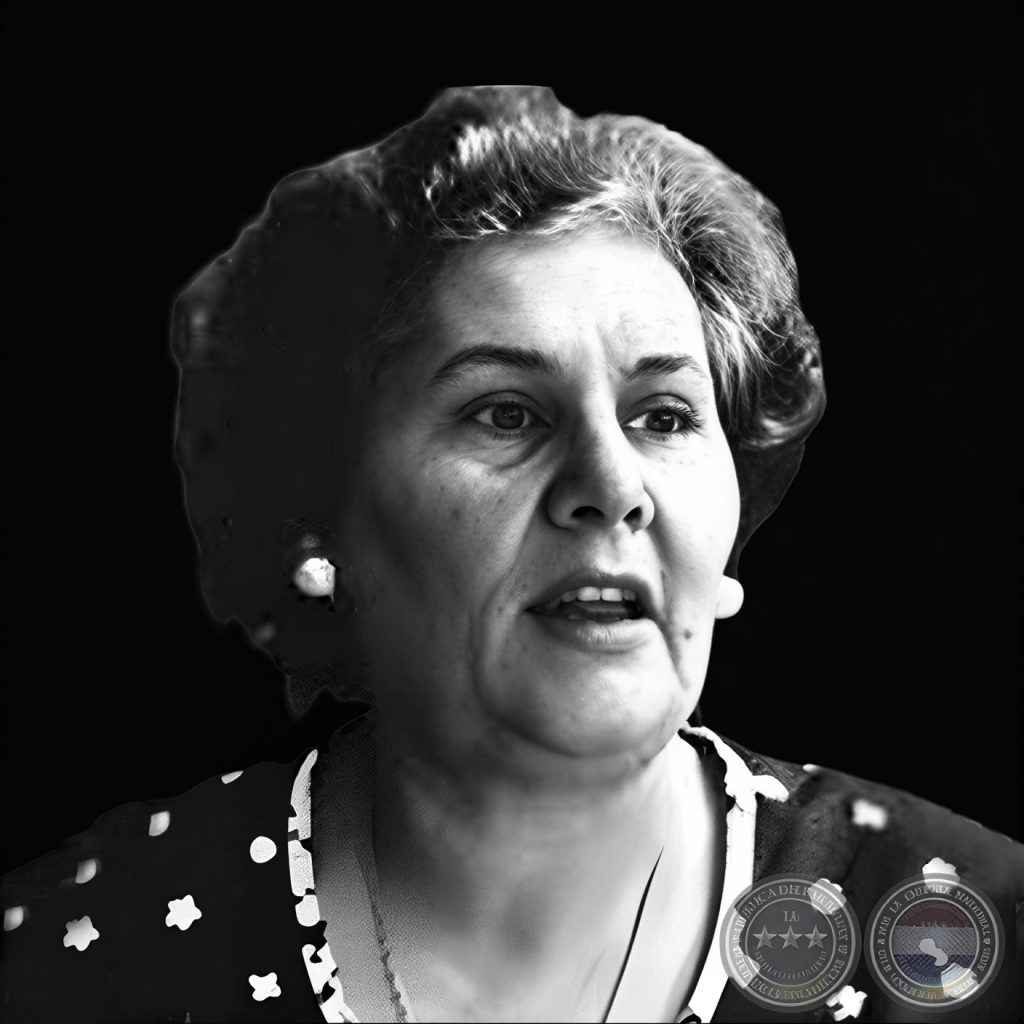
She dedicated over thirty years to education and promoted women’s civic participation. She founded the Cultural Association for the Protection of Women and later the Paraguayan Human Rights Commission, one of the first in Latin America, continuing her activism despite persecution.
Between 1967 and 1977, she served in parliament and became a prominent voice against the regime. In 1975, she introduced a bill to recognise 24 February as Paraguayan Women’s Day, highlighting women’s historic role and their demand for full citizenship.
These women, among many others, left a lasting legacy that expanded women’s visibility and participation in society. While full equality remains a work in progress, today we honour their ongoing fight for a more just future.