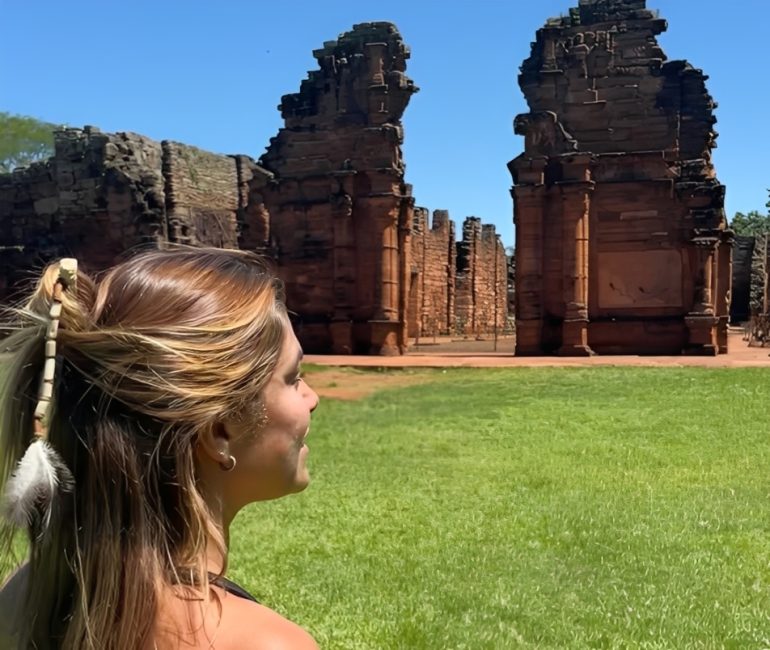

A visit to Paraguay’s remote Jesuit Missions has thrust the South American nation into the international spotlight. Brazilian media personality Priscila Fantin documented her journey through Itapúa’s historic religious complexes using her substantial social media platform. With millions of followers engaged across Instagram, her candid reflections on the sites have sparked global interest in destinations previously overshadowed by better-known heritage locations throughout the continent.
A journey through sacred history
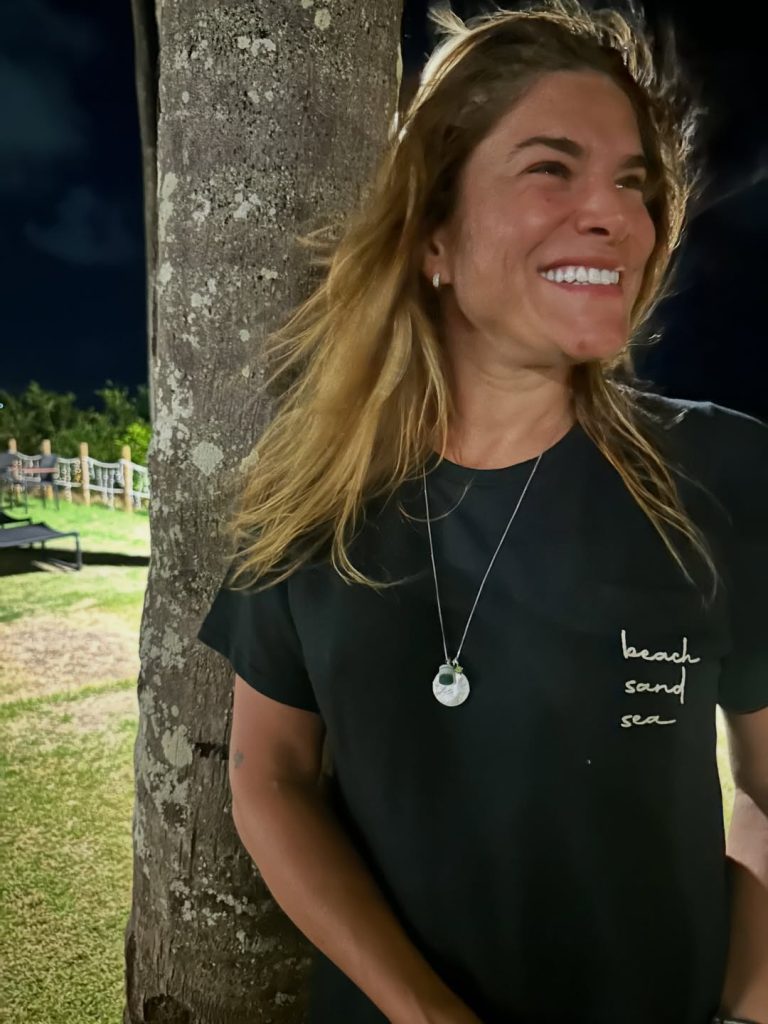
Itapúa is located approximately 400 kilometres from Paraguay’s capital Asunción. This southeastern department became a centre of Jesuit activity beginning in the 17th century. The Jesuits established missionary settlements throughout the region to work amongst the indigenous Guaraní population.
During her visit, the actress explored two of the three major Jesuit complexes remaining in Itapúa: Jesús de Tavarangué and Santísima Trinidad del Paraná. Both sites hold UNESCO World Heritage designation, recognising their importance to humanity’s shared cultural patrimony.
The Jesuit presence in this region reflects a broader historical phenomenon. Between the 1600s and 1700s, approximately 30 such settlements were founded across territories that spanned present-day Paraguay, Argentina, southern Brazil, and Uruguay. These communities, known locally as “reducciones” or reductions, functioned as self-contained societies. Indigenous peoples received religious education whilst maintaining their own agricultural systems, governance structures, and cultural practices.
Priscila Fantin discovers heritage through contemporary innovation
What impressed the actress during her visit was how the two missions engage modern audiences. At Jesús de Tavarangué, three-dimensional video mapping projects light and imagery across the stone ruins, creating a multimedia narrative about the missions and relationships between European missionaries and Guaraní communities.
The Santísima Trinidad del Paraná complex offers a complementary experience through an elaborate light and sound display. These technological installations represent thoughtful heritage preservation. Rather than remaining silent monuments, the ruins now invite imaginative engagement whilst original structures remain untouched.
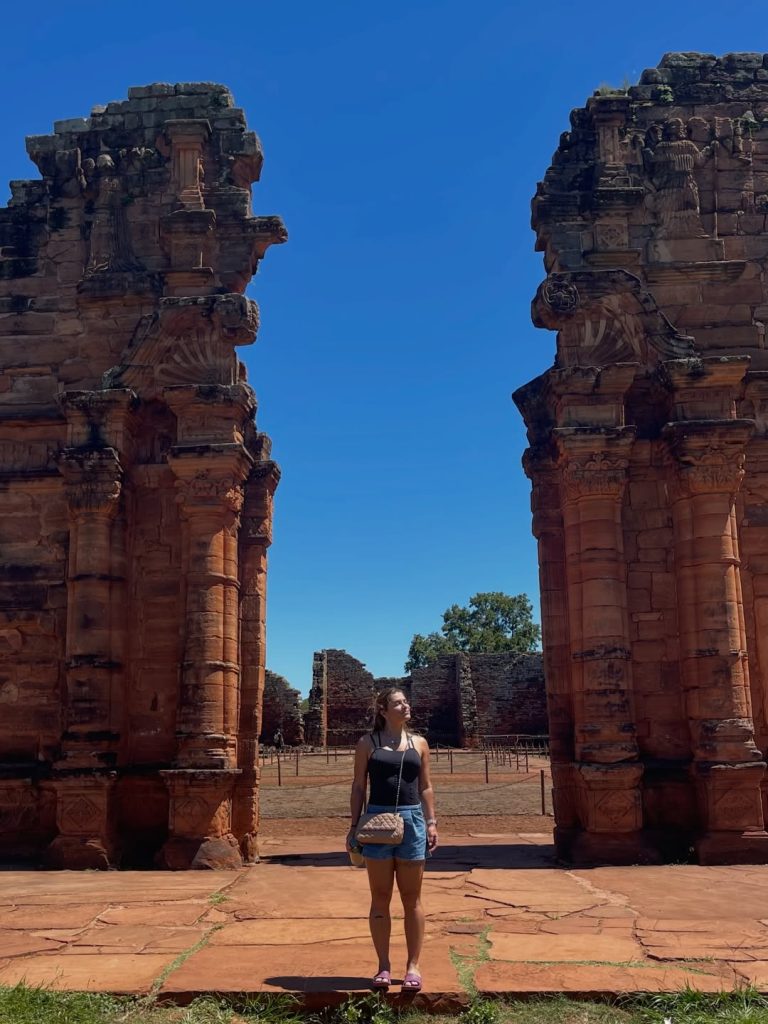
The baroque architecture at Santísima Trinidad demonstrates the ambitions of 17th and 18th-century Jesuit builders. Intricate stone carvings and an expansive plaza showcase their capabilities. At Jesús de Tavarangué, unfinished walls mark the 1768 Jesuit expulsion that halted construction mid-project, preserving that historical moment.
Government recognition of tourism potential
Paraguay’s Tourism Minister Angie Duarte spoke to local media about the significance of the actress’s visit. She highlighted how high-profile international attention substantially benefits the nation’s cultural standing. According to Duarte, sharing images and descriptions across global networks provides invaluable exposure for Paraguay’s patrimonial destinations. Heritage tourism can strengthen development strategy, she remarked.
Fantin brings considerable credibility to such promotion. Born in Salvador, Bahia, in 1983, she built her career through leading roles in widely-watched Brazilian productions. Her television breakthrough came through Malhación, the nation’s longest-running youth drama series. She subsequently gained recognition in successful telenovelas, including Chocolate com Pimenta, Alma Gêmea, and Êta Mundo Bom! Her film work has included recent productions such as Partiu América.
The Missions’ place in Paraguay’s tourism landscape
The actress’s visit underscores a significant opportunity for Paraguay. Despite UNESCO designation, these sites receive relatively few international visitors compared with comparable heritage locations in the region. Increased visibility through social media engagement generates revenue for restoration and maintenance. It also encourages both domestic and international visitation, strengthening local economies in Itapúa.